21 articles to prepare your trip
At the heart of As-Salt (UNESCO), the Abu Jaber House is a golden-stone Ottoman dwelling that traces the history of salt trade and the lives of great merchant families of Transjordan.
West of the historic center, Amman unfolds its modern districts across several hills: Abdoun, Sweifieh, Abdali. Limestone architecture, trendy restaurants and art galleries make up the contemporary face of Jordan's capital.
A UNESCO archaeological site in Madaba Governorate, Umm ar-Rasas is home to exceptional Byzantine mosaics, including a monumental 8th-century geographical map, and an isolated stylite tower in the plains.
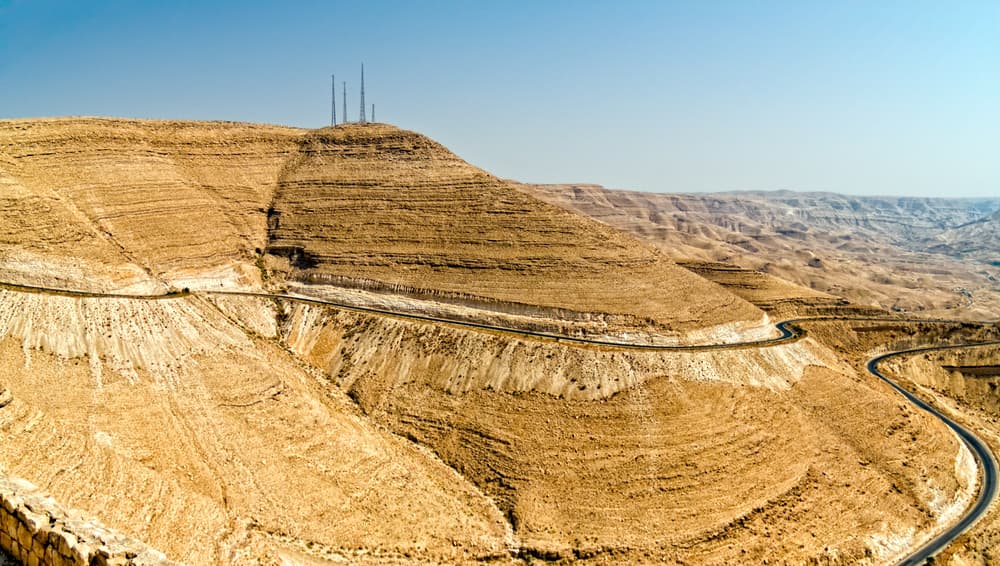
The King's Highway crosses Jordan's high plateaus from Madaba to Petra's edge, linking crusader castles, Byzantine sites and canyon landscapes along one of the ancient Near East's oldest routes.
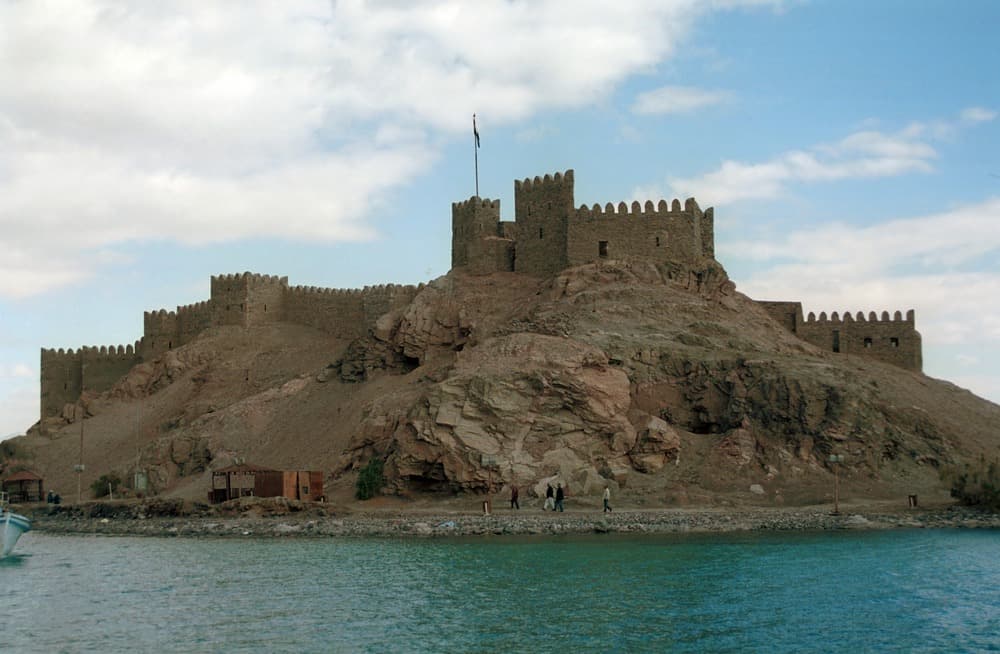
An Egyptian islet off Aqaba, Pharaoh's Island is home to a 12th-century Crusader fortress and a reef renowned for diving, accessible by excursion.
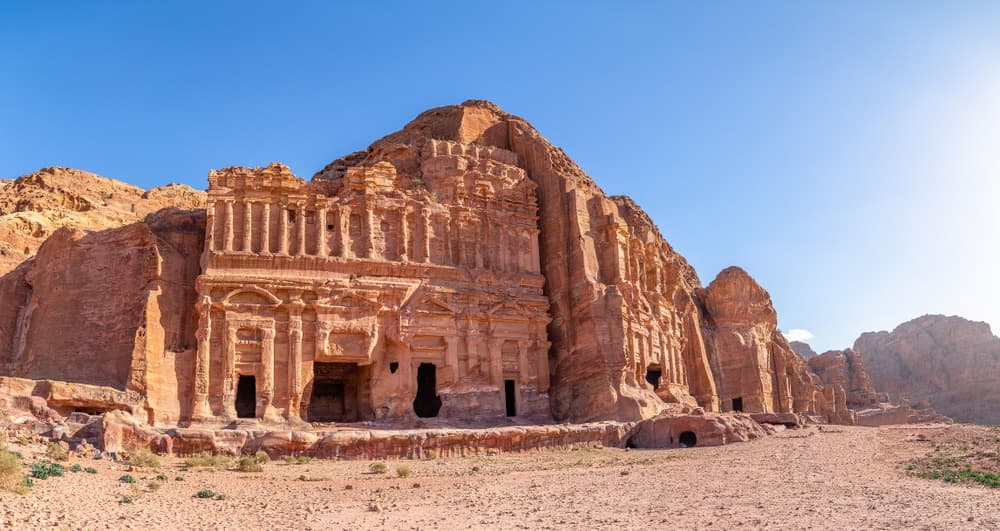
At the foot of Mount al-Khabta in Petra, four Nabatean tombs carved into the cliff bear witness to the end of the kingdom and its dialogue with Rome.
Mont Nebo
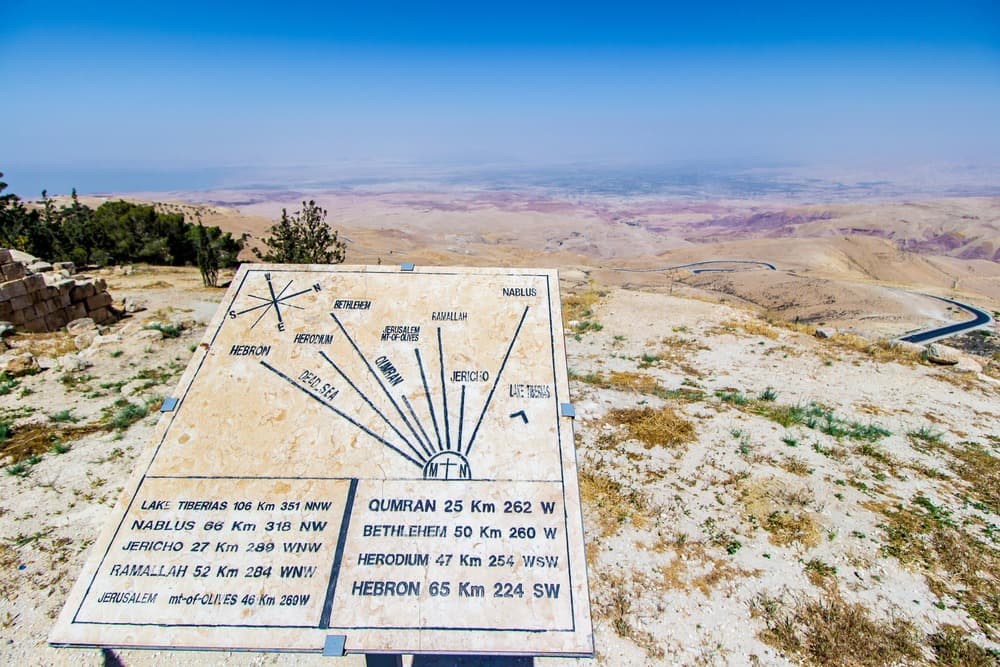
Located 8 km from Madaba, Mount Nebo preserves the Moses Memorial Basilica, its Byzantine mosaics, and sweeping views over the Jordan Valley and the Dead Sea.
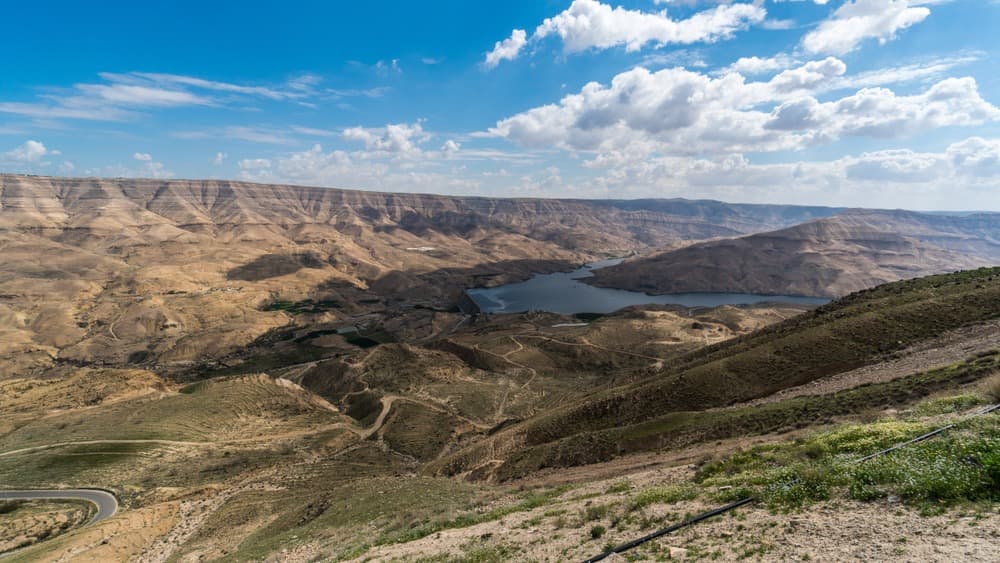
Jordan's deepest gorge and a UNESCO biosphere reserve, Mujib Valley is explored through canyoning between waterfalls, sandstone cliffs, and protected wildlife.
Sources chaudes de Ma'In
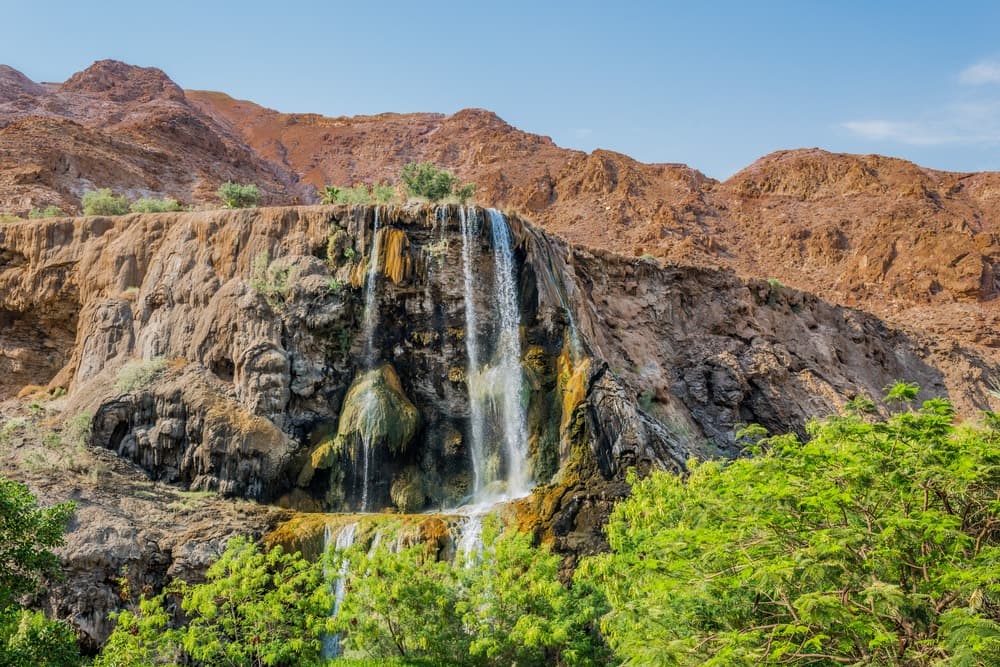
Cascading hot springs at the heart of Wadi Zarqa Ma'in, therapeutic waters and biblical legacy: a unique thermal site between Madaba and the Dead Sea.
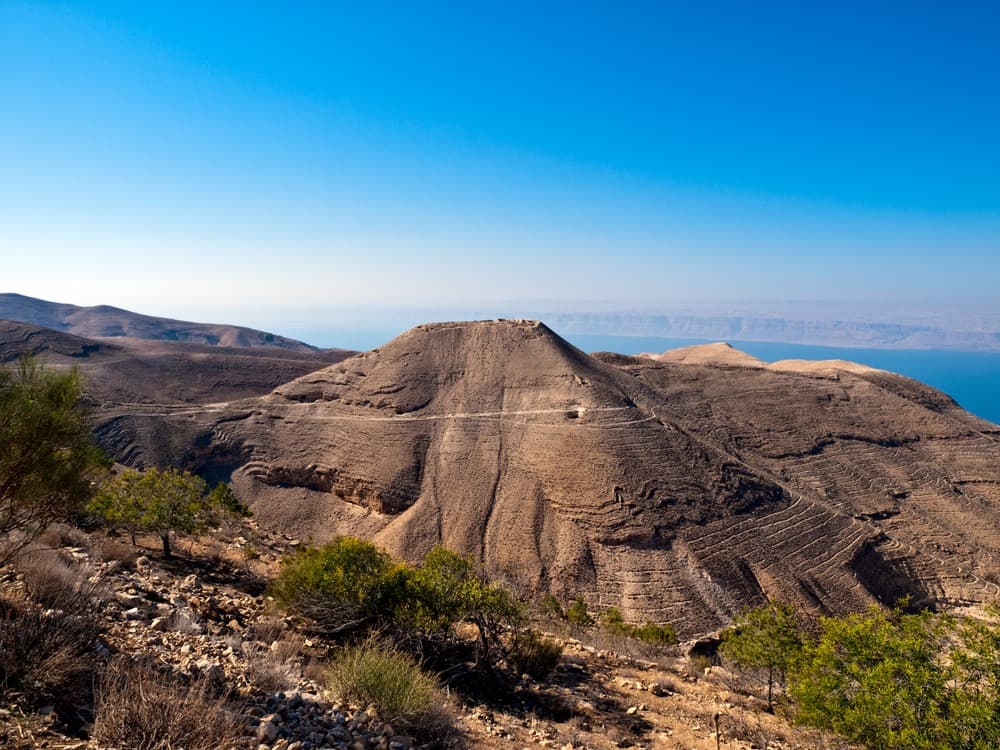
Perched at 1,100 m overlooking the Dead Sea, Machaerus fortress preserves the remains of the Herodian palace associated with the execution of John the Baptist.
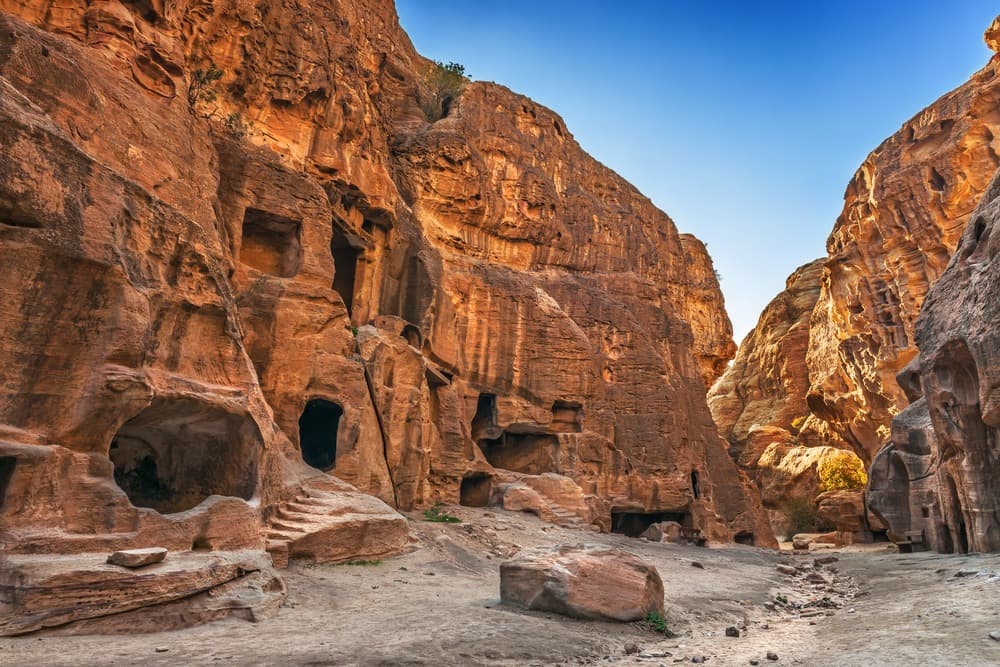
8 km from Petra, Siq al-Barid — Little Petra — reveals the merchant and residential face of the Nabateans, with its tricliniums and the Painted House.
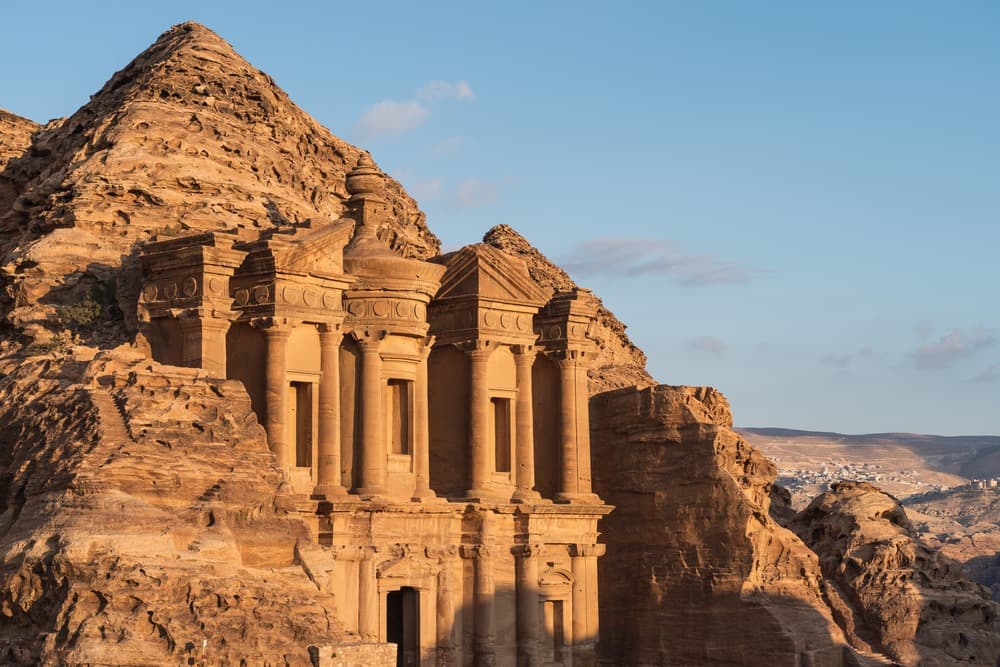
The largest carved monument at Petra: 43 m high, 800 steps to climb, 1st-century Nabataean façade later converted into a Byzantine monastery.
Réserve naturelle de Dana
UNESCO Biosphere Reserve designated in 1993, Dana combines canyons, mountains and desert across four bioclimatic zones, between Petra and Kerak.
Krak de Montréal
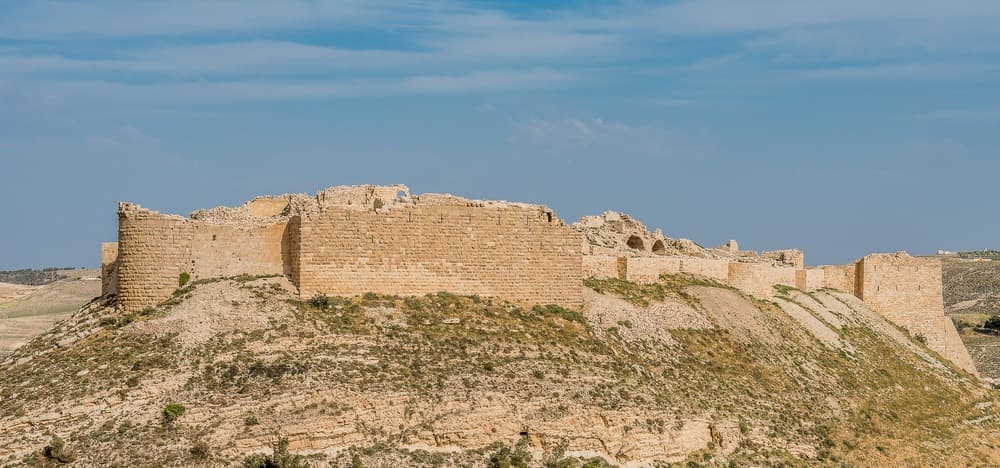
A 12th-century Crusader fortress perched on a rocky pinnacle, Krak of Montreal marks the Kings Highway between Amman and Petra.
Église de Saint
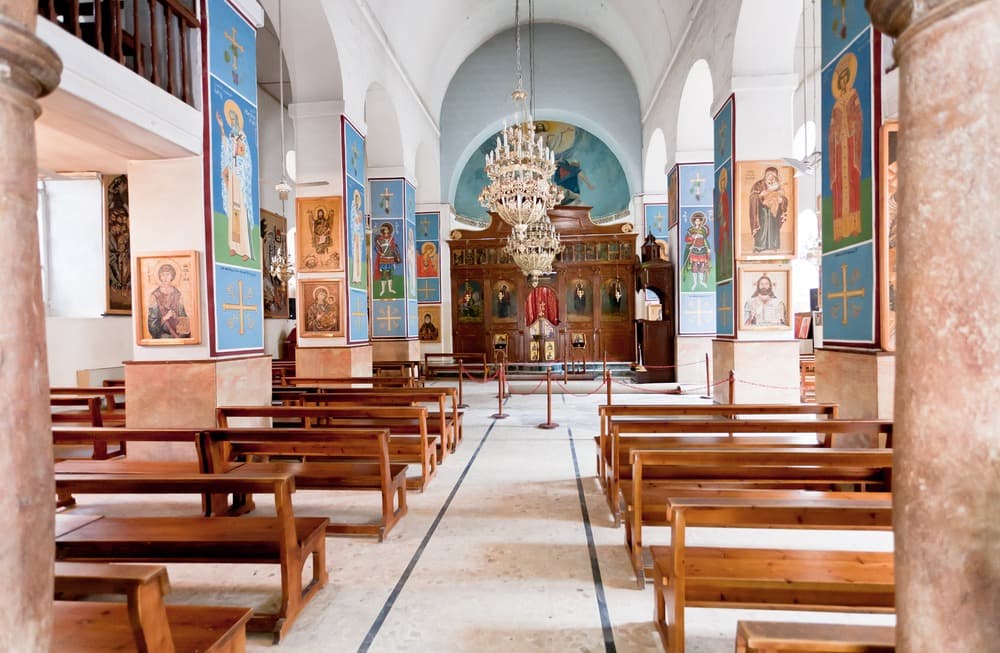
Saint George's Church in Madaba houses the oldest known map of the Holy Land: a 6th-century Byzantine mosaic 16 meters long.
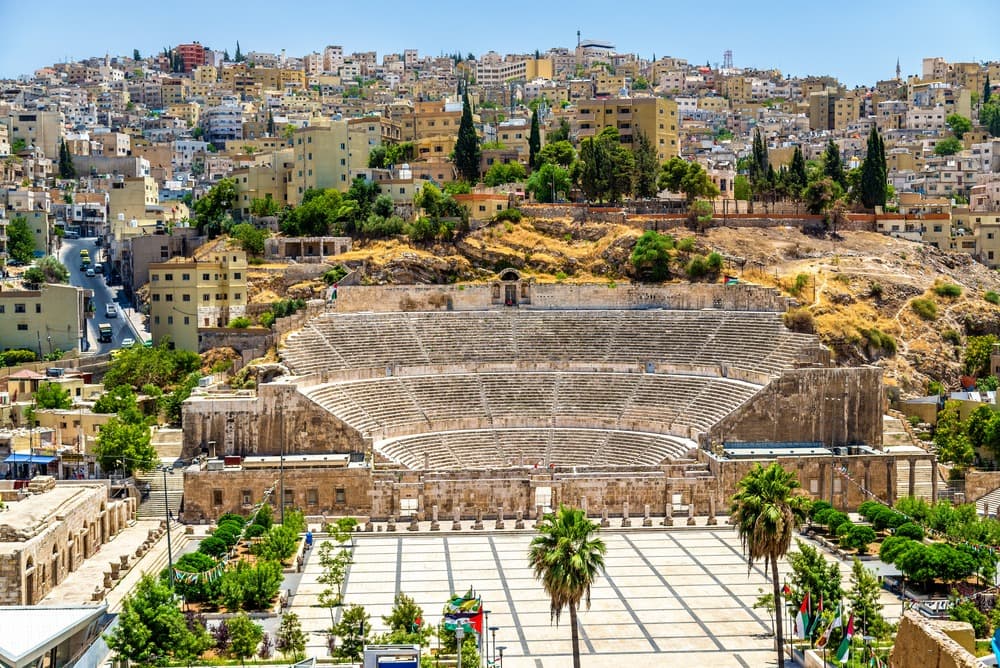
Built in the 2nd century under Antoninus Pius, Amman's Roman theatre features 6,000 seats carved into the slopes of Jabal Al-Joufah, facing the citadel.
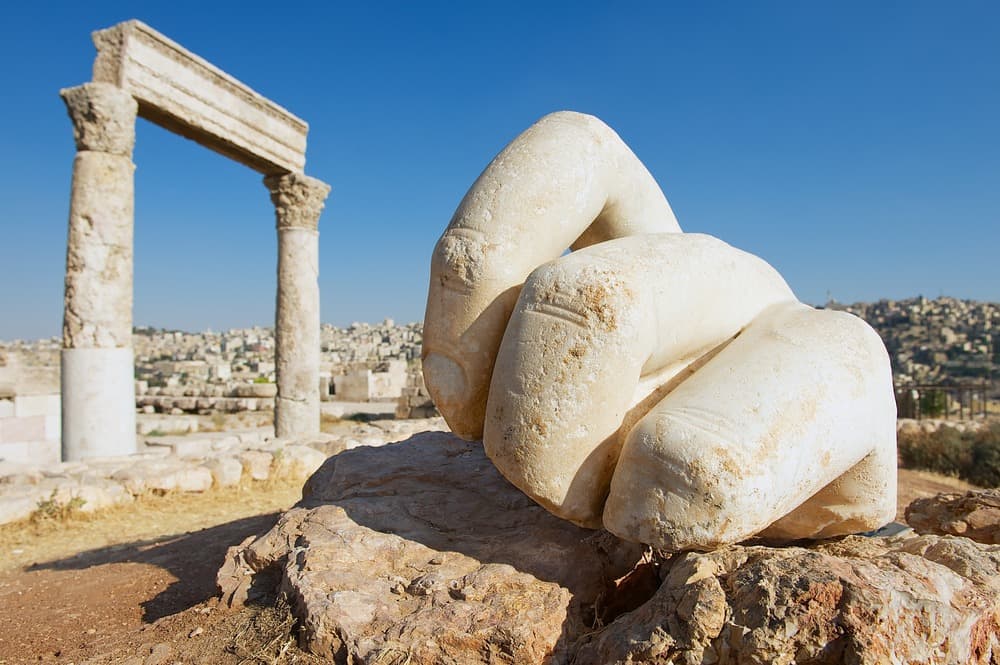
A 2nd-century Roman vestige commissioned by Marcus Aurelius, the Temple of Hercules overlooks Amman from the Jabal al-Qal'a citadel, at 800 meters above sea level.
Stretching 1,200 meters and bordered by rose-red sandstone cliffs towering up to 80 meters, the Sîq serves as the principal gateway to the Nabatean city of Petra.
18 of 21 results
We use cookies to improve your experience and measure our site's audience. You can choose what you accept. Learn more.