Journey on the Kings' Road from Amman to Aqaba
Also known as Route 35, the Kings' Road crosses Jordan from north to south over 400 kilometers. This ancient pathway was traversed for centuries by countless pilgrims, princes, merchants
Also known as Route 35, the Kings' Road stretches across Jordan from north to south over 400 kilometers. This ancient pathway was traversed for centuries by countless pilgrims, princes, merchants and soldiers. Today, it stands as a picturesque itinerary for discovering all the historical and cultural facets of the country. Discover the unmissable sites to visit absolutely during a journey on the Kings' Road in Jordan.
What is the Kings' Road in Jordan?
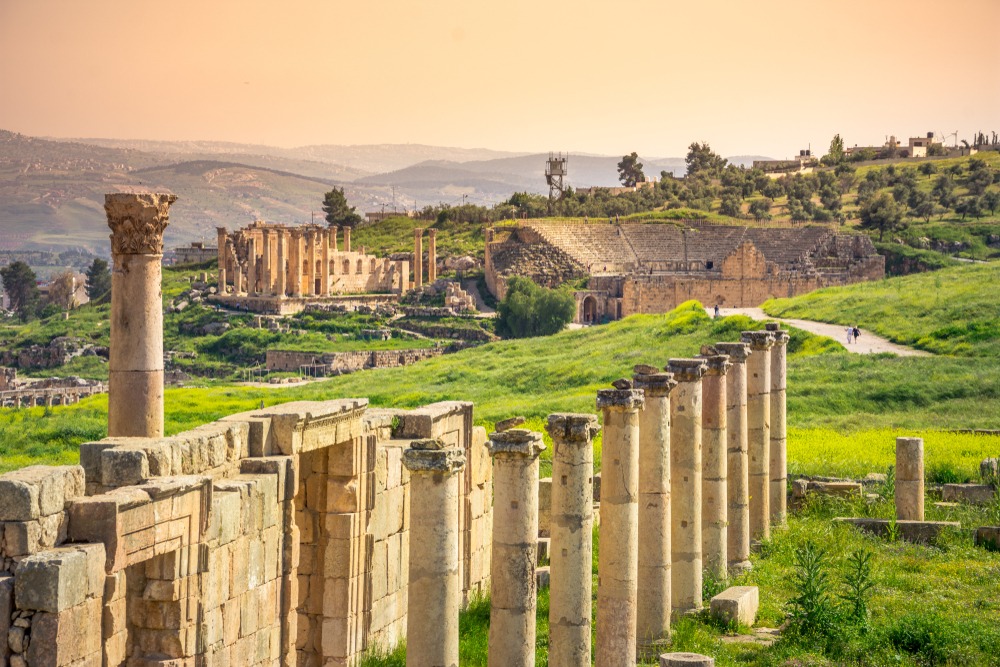
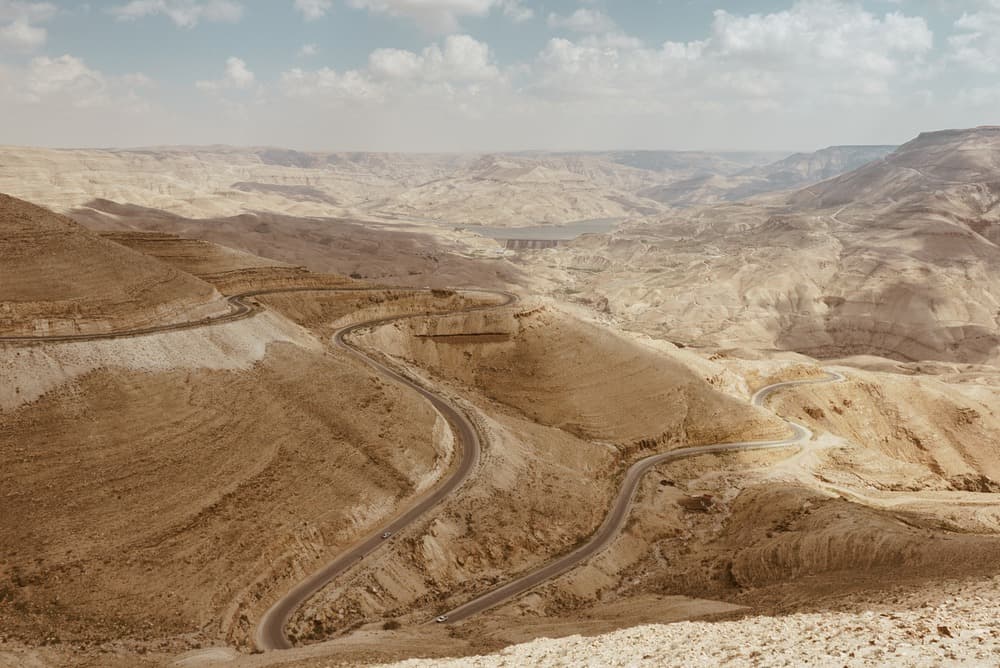
Connecting the capital Amman to the coastal resort of Aqaba, the Kings' Road has shaped Jordan's history. Once an ancient caravan route, it saw merchants from East and West passing through, laden with myrrh, gold and incense, transiting between Egypt and Syria. The Kings' Road was also traveled by numerous Christian and Muslim pilgrims, princes and soldiers alike. It is notably renowned as the path where Moses led the Hebrews toward the Promised Land during their exodus. Traversing it, one discovers a succession of grand Nabatean, Roman, Byzantine and Islamic sites, alongside spectacular landscapes of canyons, peaks and desert. One thing is certain—the Kings' Road is a mythic route that offers a timeless journey through the splendors of the Jordanian kingdom.
Sites to discover on the Kings' Road
To make the most of your stay on the Kings' Road in Jordan, here are the must-see sites to explore.
Amman
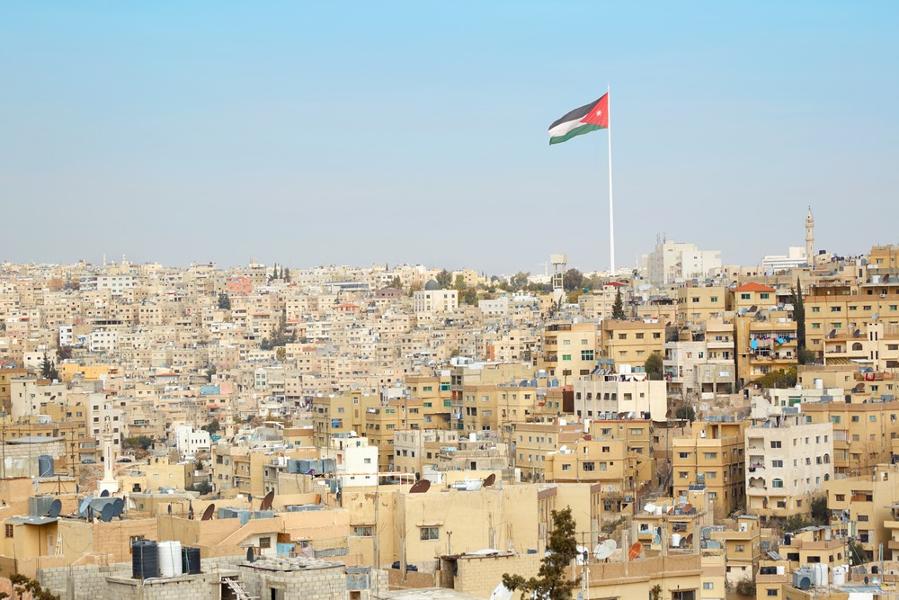
At once traditional yet chic and modern, the eclectic atmosphere perfectly captures the essence of Jordan's capital. In any case, it is the ideal starting point for beginning your journey on the Kings' Road. Here, you can discover sublime ancient ruins such as Amman's citadel, locally known as Jabal al-Qal'a, the Roman theatre, or the Slave Castle, considered one of Jordan's most beautiful Hellenistic ruins.
Learn more about Amman
Madaba
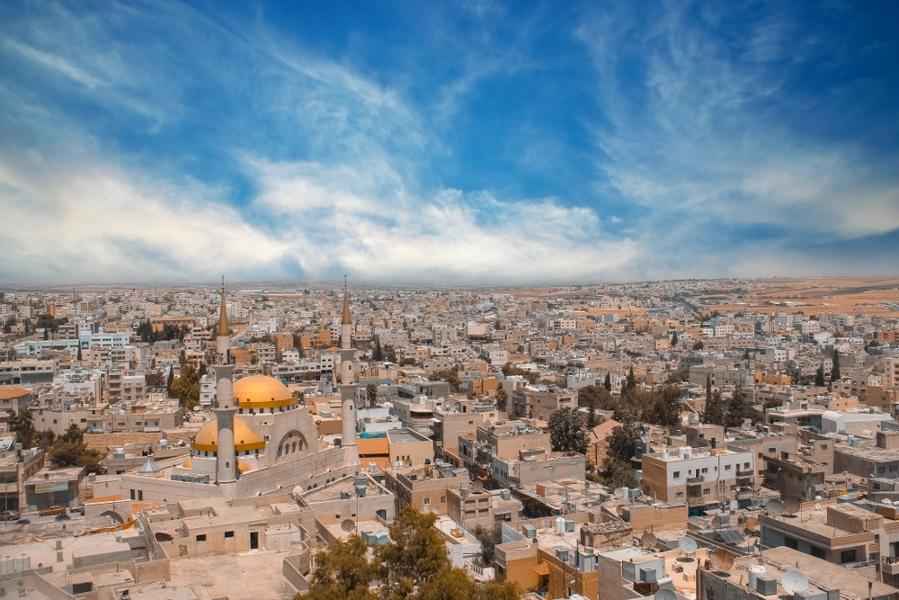
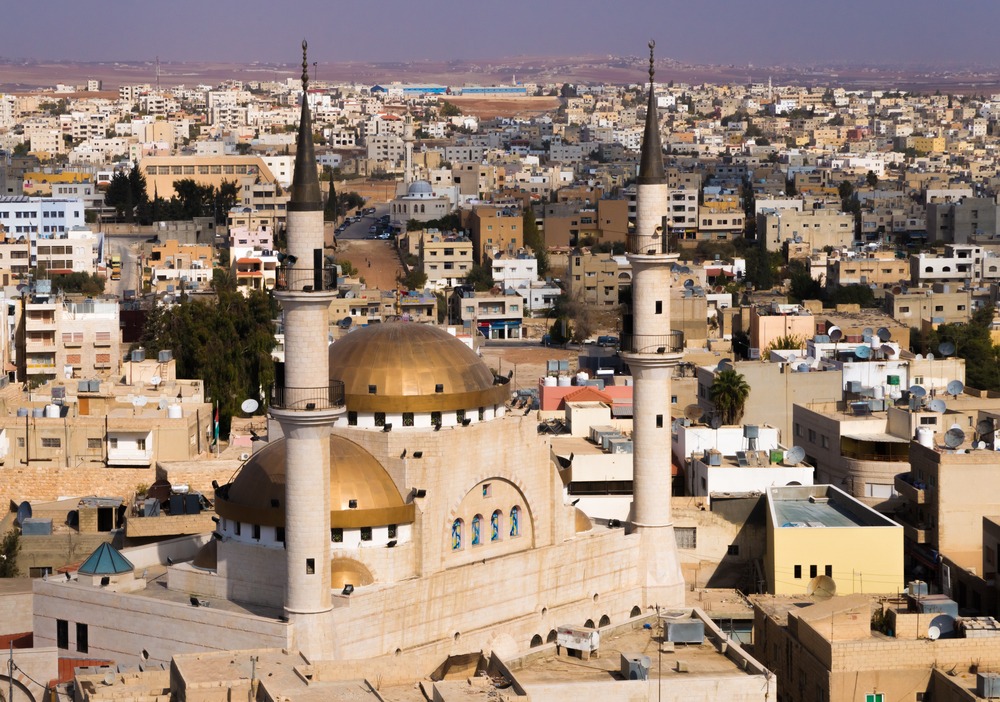
Continue your journey on the Kings' Road an hour's drive south of Amman by stopping at Madaba. Once a jewel of the Kingdom of Ammon, this ancient city is renowned for its numerous churches and remarkable Byzantine mosaics, the most famous of which can be found on the floor of the Greek Orthodox Church of Saint George. It is the representation of the oldest known map of the Holy Land.
Mount Nebo
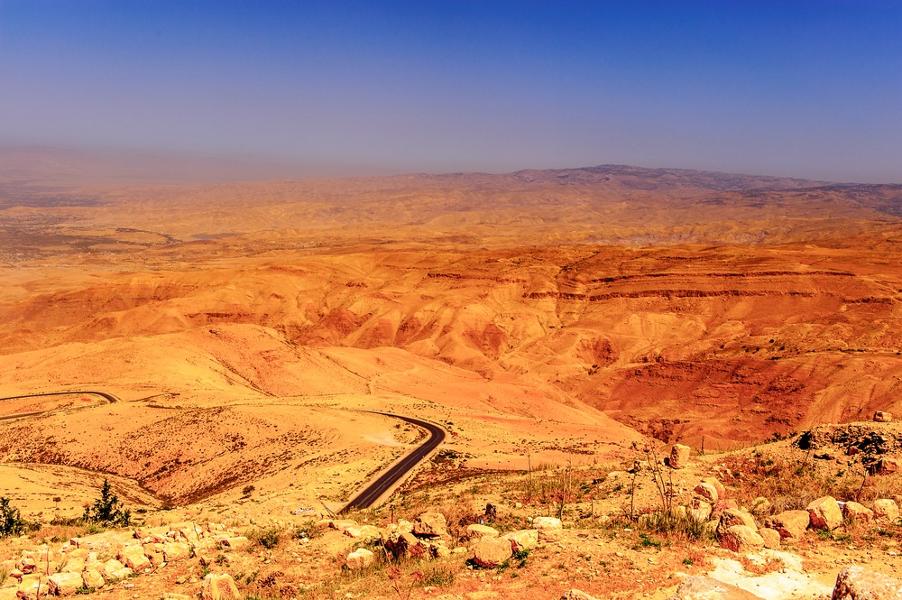
Another mythic site on the Kings' Road in Jordan: Mount Nebo. It was from its summit, situated at 817 meters altitude, that Moses is said to have beheld the Promised Land before his death. Beyond Moses' tomb, you'll discover the remains of a Byzantine church with beautiful 6th-century mosaics, and you can enjoy breathtaking views over the Dead Sea and surrounding regions.
The Rose City of Petra
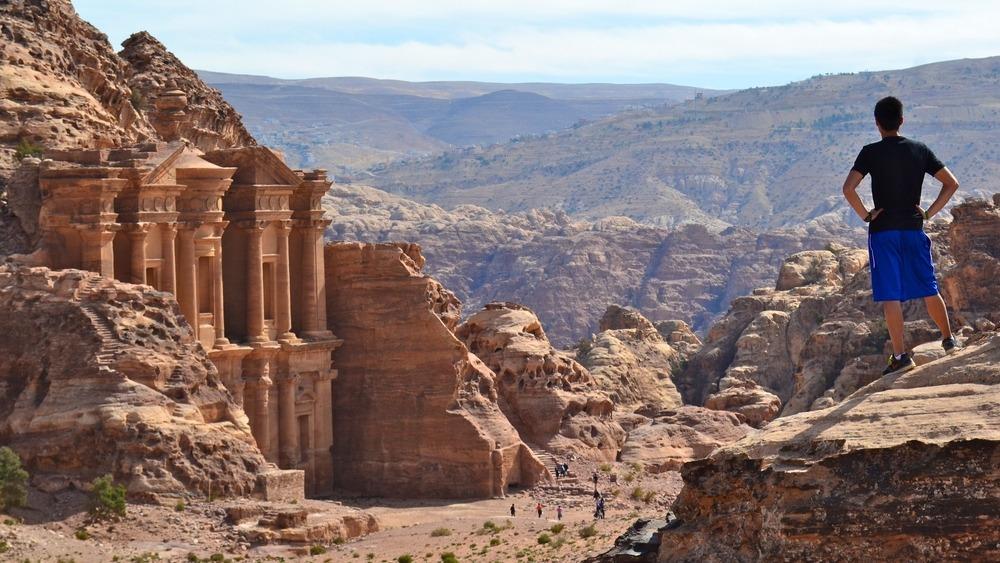
It is impossible to imagine a journey to Jordan without visiting Petra. Sometimes called the Lost City, the ancient capital of the Nabateans was built twelve hundred years before the Christian era. Characterized by opulent architecture carved and sculpted from the rock by the Edomites, the city of Petra overflows with tombs, palaces, staircases, rock-hewn temples… No fewer than 3,000 rock-cut ruins are documented there, including 600 tombs. Among the Aramean and Nabatean ruins not to be missed during your visit are Khazneh, the theatre, the Ad-Deir monastery, the Qasr-al-Bint temple (Palace of the Pharaoh's Daughter), the temple of the winged lions, and the Byzantine church…
Note: About 8 km north of Petra lies the archaeological park of Siq al-Barid, nicknamed Little Petra, where you'll find sublime Nabatean ruins.
Wadi Rum
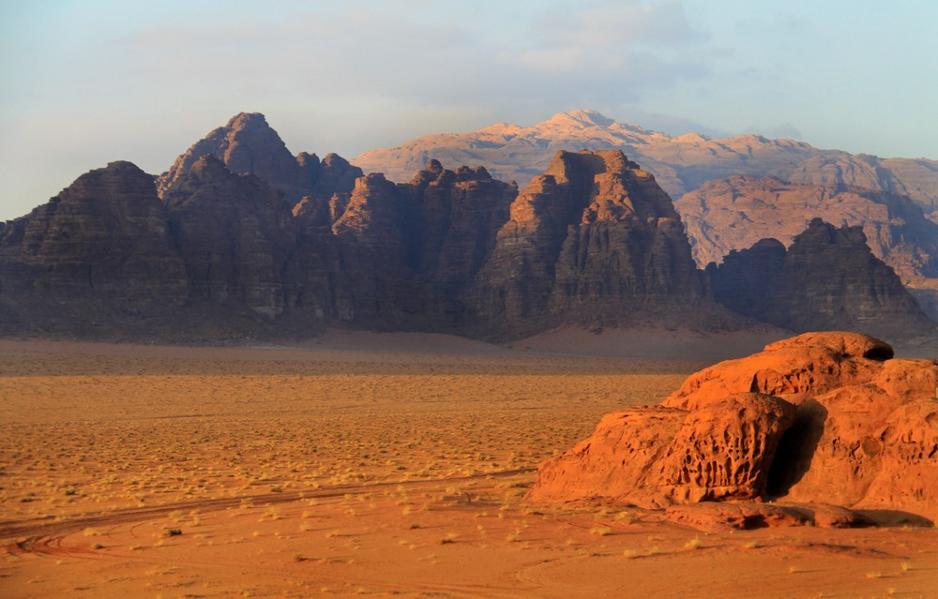
Also called the Valley of the Moon, the Wadi Rum desert is a magnificent landscape of sands, dunes and rock formations in ochre tones. Beyond its sublime scenery (best experienced at sunset for a unique experience), the desert also harbors some archaeological remains such as those of a 1st-century Nabatean temple near the village of Rum, as well as the sites of Alameleh, Um-Ishin and Anfashieh.
Aqaba
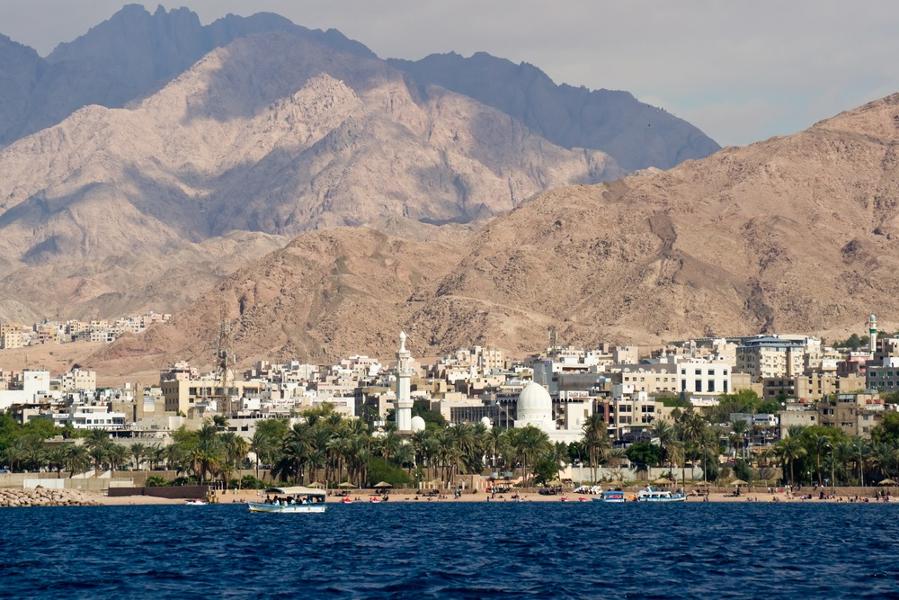
To conclude your road trip on the Kings' Road in style, head to the port city of Aqaba. As the country's only maritime gateway, this coastal resort is highly coveted by Jordanians and foreign tourists alike. Beyond its historic fort and Heritage Museum, the city of Aqaba is also renowned as a privileged destination for diving enthusiasts. With its superb coral reefs, the coast is home to 25 diving sites.
Discover our Jordan Essentials itinerary to embark on the Kings' Road adventure
Frequently asked questions
To fully enjoy the 400 km of the Kings' Road, plan for a minimum of 7 to 10 days. This timeframe allows you to visit Amman, Madaba, Mount Nebo, Petra (which deserves 2 to 3 days on its own), Wadi Rum and Aqaba without rushing.
The best way to travel the Kings' Road is to rent a car in Amman. Public transportation is limited and impractical for connecting all the stops. You can also opt for an organized tour with a driver or guide, ideal for ensuring you don't miss any historical sites.
The best periods are spring (March to May) and autumn (September to November), when temperatures are pleasant. In summer, heat can be intense, especially in Wadi Rum and Aqaba. In winter, frost is possible at higher altitudes (Mount Nebo) but sites are less crowded.
Yes, the Jordan Pass is highly recommended. It includes entry visa to Jordan and access to more than 40 tourist sites, including Petra (for 1, 2 or 3 days). It represents significant savings for travelers visiting multiple sites on the Kings' Road.
Absolutely. The Kings' Road combines very well with a stay at the Dead Sea (accessible from Madaba), an excursion to Israel or Palestine, or even an extended diving experience in Aqaba. Some travelers also continue on to the Sinai in Egypt from Aqaba.