Journey Through Jordan's Roman Cities
Shaped by numerous civilizations over the centuries, Jordan preserves an exceptional historical heritage. Among them? The carved city of Petra
Shaped by numerous civilizations over the centuries, Jordan preserves an exceptional historical heritage. Among them? The carved city of Petra as well as the magnificent archaeological sites of Gadara, Pella, and Jerash! Want to discover these ancient treasures? Join us for a journey through Jordan's Roman cities…
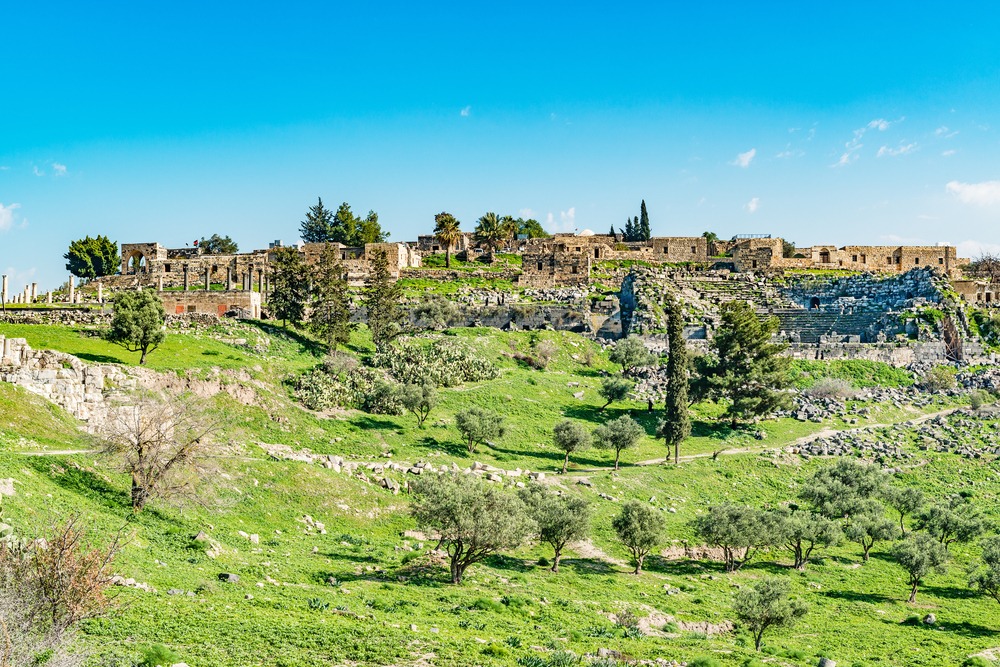
The Greco-Roman City of Gadara: The Ancient City of Umm Qais
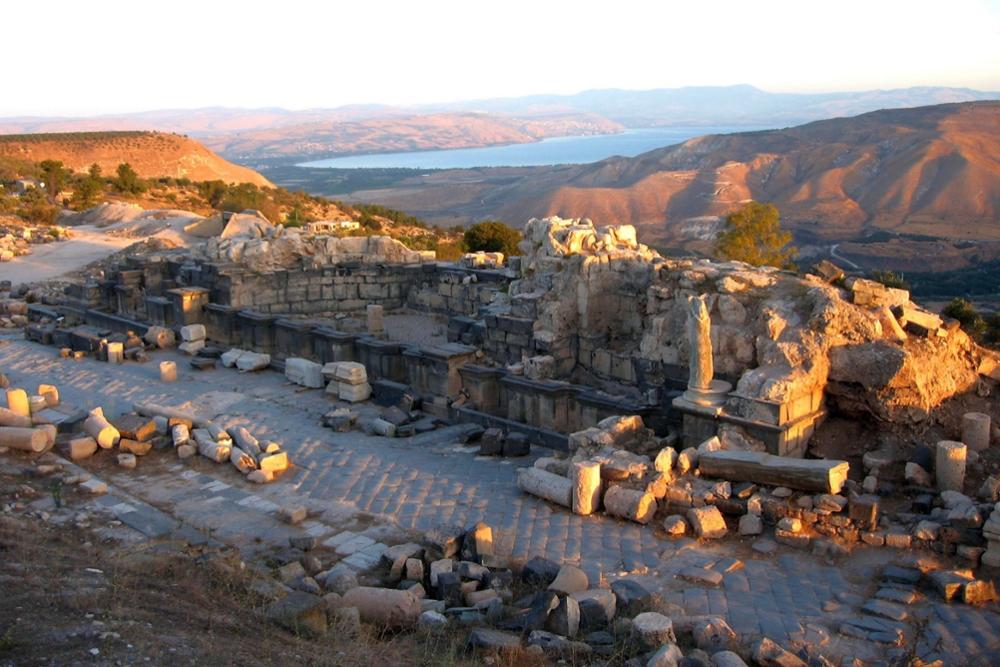
Among its Greco-Roman sites, Jordan boasts the splendid site of Umm Qays. Formerly called Gadara, this city of the Decapolis preserves:
The Western Theatre: carved from black basalt, it can accommodate 3,000 people. While not the largest theatre on the site, it remains the best preserved.
The Northern Theatre: built towards the end of the 1st century BC, this theatre stands at the entrance to the ancient city.
Not yet heavily touristed, the Greco-Roman city of Gadara has not undergone major restoration work. Our advice? To imagine its former splendour, visit the city of Jerash first. Then, when you arrive at Umm Qais, you'll be able to appreciate the beauty of the ancient city – and feel like an archaeologist discovering the outline of a column or buried wall here and there!
The Ancient City of Pella: The Old City of Tabaqat Fahil
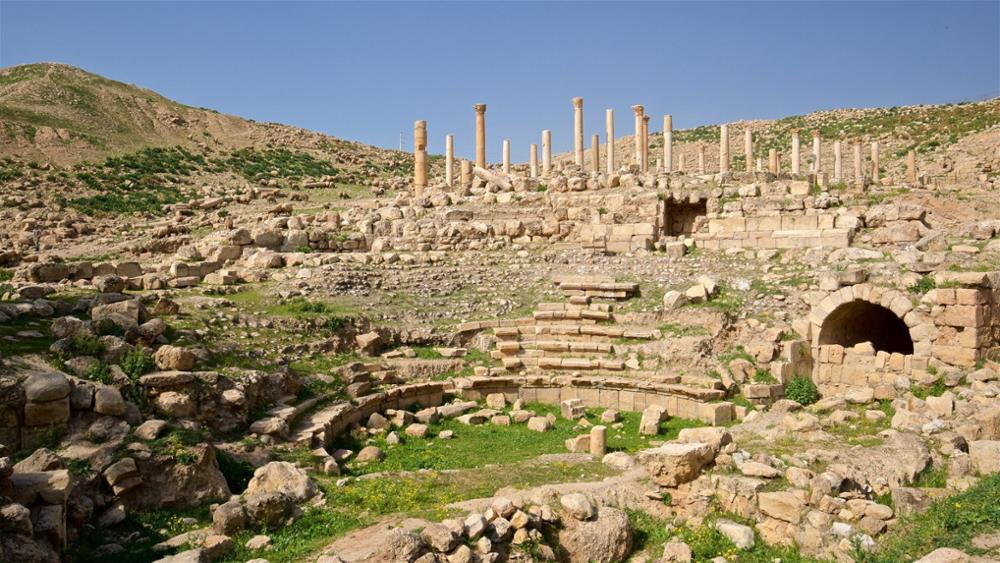
Today known as Tabaqat Fahil, the city of Pella is situated at the foot of the Jordan valley. This ancient Roman city, a member of the Decapolis (a league of ten cities that joined together in antiquity), is home to a very old site. Indeed, Pella was inhabited as far back as the Neolithic period (8,000 BC)!
On the archaeological site, you'll discover temples, magnificent mosaics, and the Pella Museum, located to the northeast of the ruins. Make a detour there – it will help you understand the sites and imagine life in that era.
The Ancient City of Jerash: A Jordanian City Listed by UNESCO
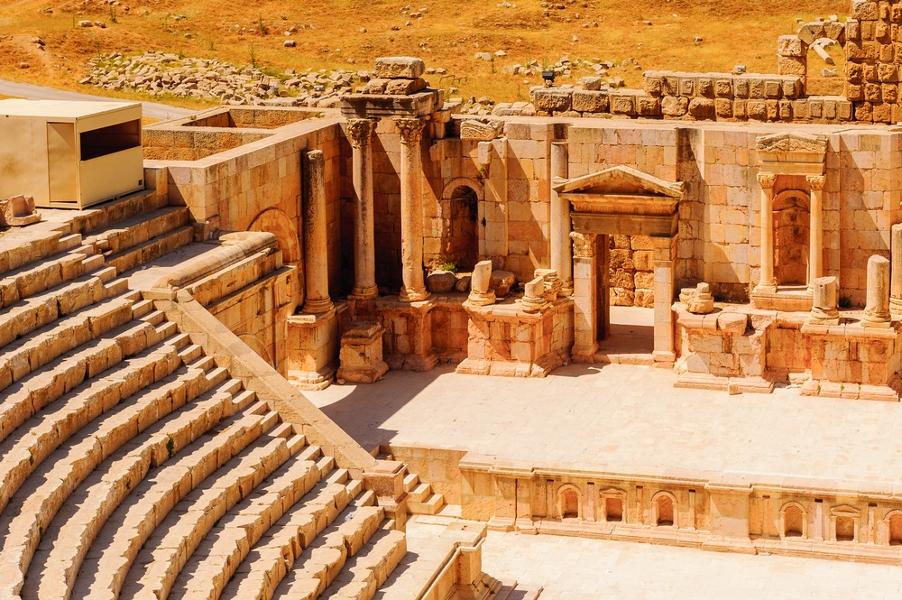
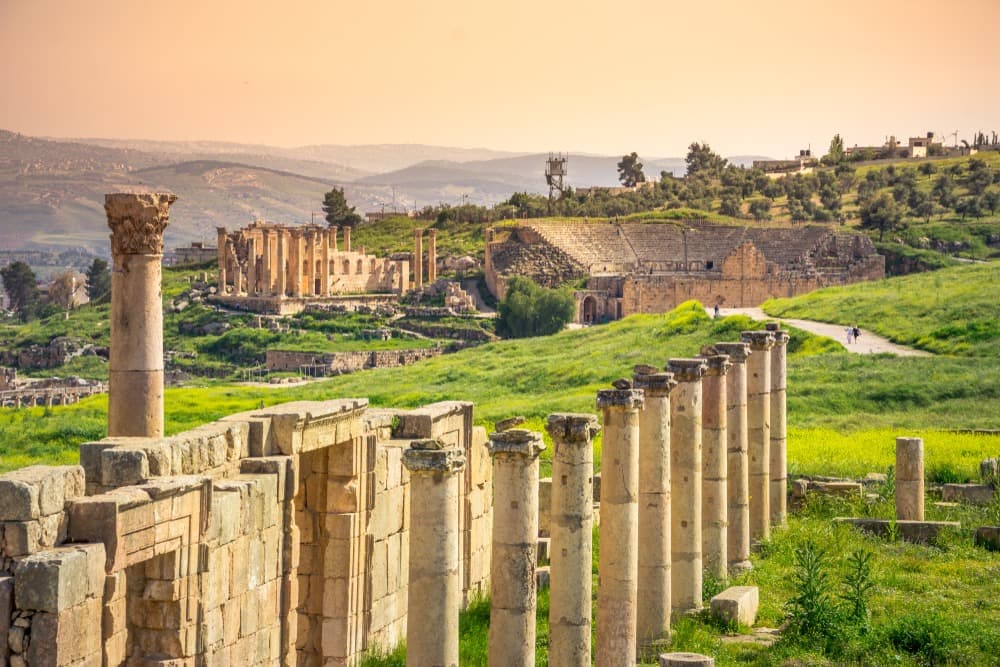
Listed as a UNESCO World Heritage Site since 2004, the archaeological site of Jerash is renowned for its incredible state of preservation. Once named Gerasa, the ancient city dazzles with Roman remains among the best preserved in the country. On-site? Opinions are unanimous: the beauty of the place transports you instantly back several centuries BC! During your journey through time, you'll discover:
Hadrian's Arch of Triumph, erected in 129 to commemorate the visit of Emperor Hadrian to Jerash.
The South Theatre, designed between 90 and 92 AD, the building preserves all its majesty and offers a wonderful view from the top of the seating.
The Temple of Artemis, built on one of the city's highest points, it ranks among Jordan's most remarkable monuments.
The beauty of Gerasa is such that it's hard to believe it lay forgotten under sand for decades – before resurfacing interest in 1806, and then in 1925 when official excavations began!
The Amman Citadel: The Capital's Archaeological Site
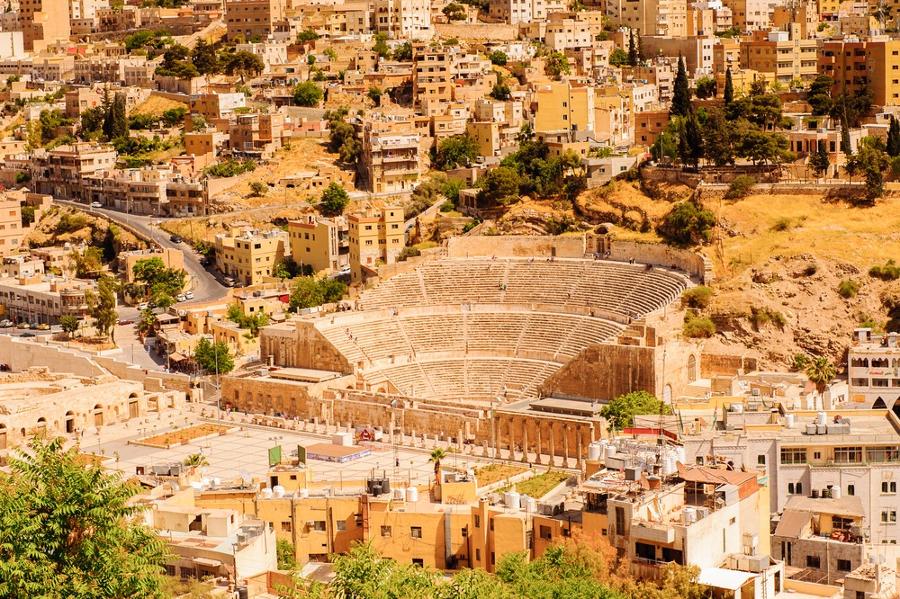
At the heart of Jordan's capital stands the aptly named "Amman Citadel". This splendid historical heritage, perched on a hill, offers breathtaking views of the city. Within the site, you can admire the columns of the Temple of Hercules (built in the 2nd century AD) as well as the remains of the colossal statue of Hercules. According to researchers, it once stood 9 metres high!
Sheltered from mass tourism, Jabal al-Qal'a is a very pleasant site to visit. On-site, numerous panels recount the city's history and a small museum allows you to admire objects from different eras.
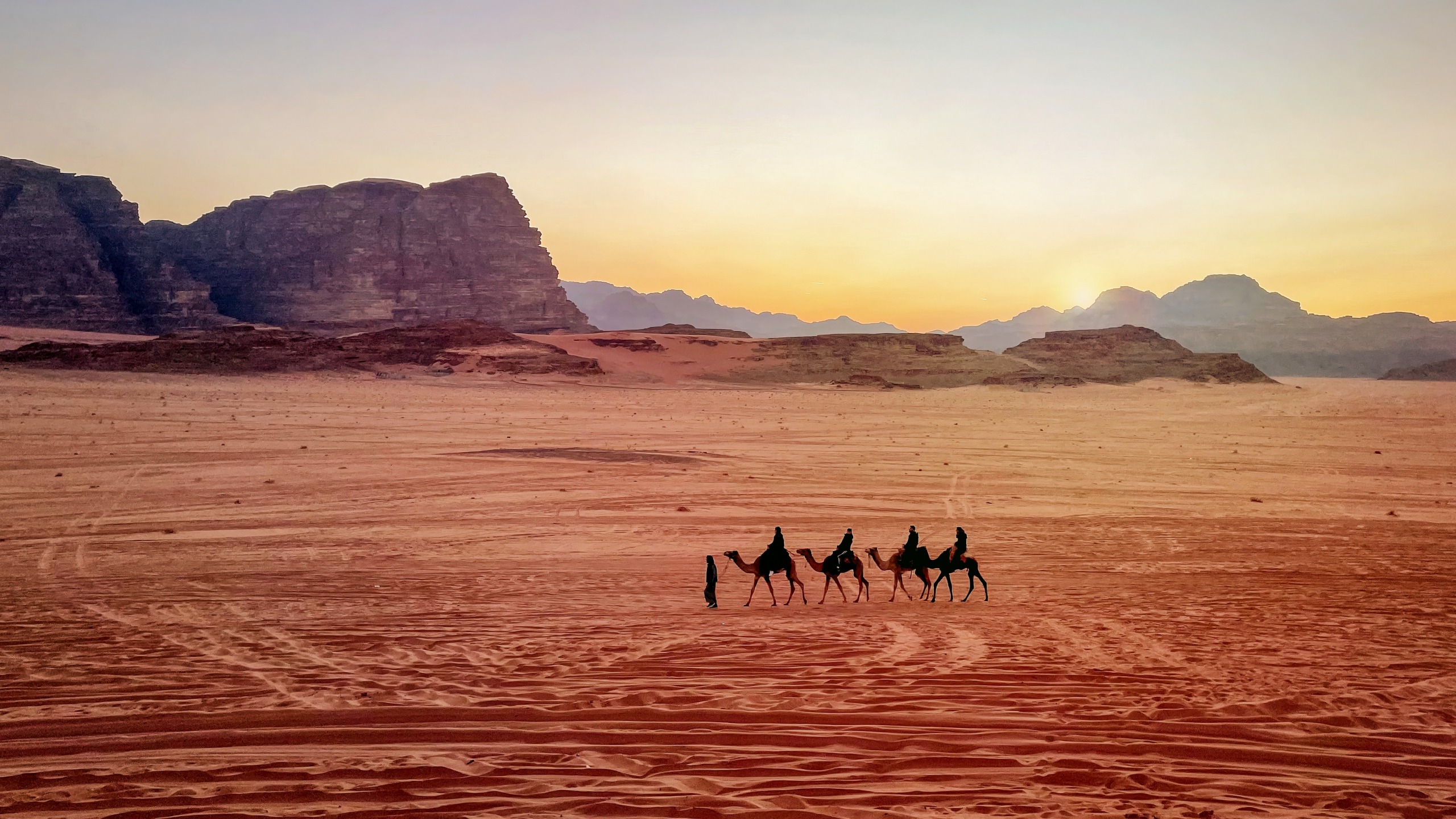
Petra and Its Colonnade Street: The Carved City of Edom Valley
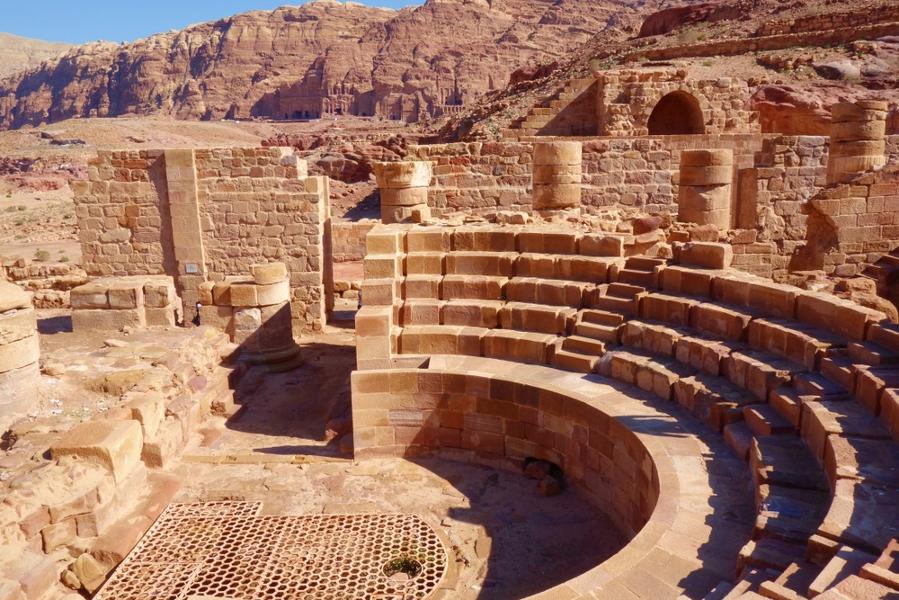
Built on rock, the city of Petra is one of the seven wonders of the world. Its treasures are so numerous – it preserves over 3,000 remains! – that it's advisable to spend several days there to grasp its full beauty. Its must-see sites?
The "Treasure of the Pharaoh" Khazneh;
The Roman theatre;
The al-Deir monastery (with its 822 steps carved into the rock!);
The Qasr al-Bint temple;
The Gaia tombs;
The winged lions temple;
etc.
Listed as a UNESCO World Heritage Site, this superb carved city is also renowned for the "Colonnade Street", which runs through the main street of the old city. Dating from the 2nd century AD, it was once the main commercial artery, around which life was organized.
Journey Through Jordan's Roman Cities: A Tour to Discover the Kingdom of the Bedouins!
Thehistory and culture of the Kingdom of the Bedouins are as fascinating as they are abundant. To avoid worrying about logistics and fully enjoy your trip, why not opt for a guided tour? In addition to exploring the finest Roman sites, you'll discover modern cities… Ready to depart?
Frequently asked questions
The best time to explore Jordan's archaeological sites is spring (March-May) and autumn (September-November), when temperatures are mild. Avoid summer (June-August) when the heat can be intense, especially at Petra and Jerash.
Yes, the Jordan Pass is highly recommended. It includes entry visa to Jordan (under conditions) and access to over 40 tourist sites, including Petra and Jerash. It represents substantial savings for any traveller wishing to visit multiple archaeological sites.
Allow 3 to 4 hours for a complete visit to Jerash. The site is vast and well preserved: Hadrian's Arch, the South Theatre, the Temple of Artemis, and the oval forum all deserve special attention. A half-day is the minimum to enjoy it fully.
Petra preserves over 3,000 remains and spans a large area. While one day allows you to see the main sites (the Treasure Khazneh, Colonnade Street, the Roman theatre), it's strongly advisable to plan 2 to 3 days to also discover the al-Deir monastery and the royal tombs.
Jerash (ancient Gerasa) is Jordan's best-preserved Roman site, highly touristed and richly restored. Umm Qais (ancient Gadara) is more confidential and less restored, offering a more authentic and wild experience. It's advisable to visit Jerash first to better appreciate the grandeur of Gadara.
Petra is primarily a Nabataean city, built by the Nabataean people from the 4th century BC onwards. It was then annexed by the Roman Empire in 106 AD and Romanized. This is why you'll find elements of Roman architecture there, such as the Colonnade Street dating from the 2nd century AD.