Jordan's Most Beautiful Nature Reserves
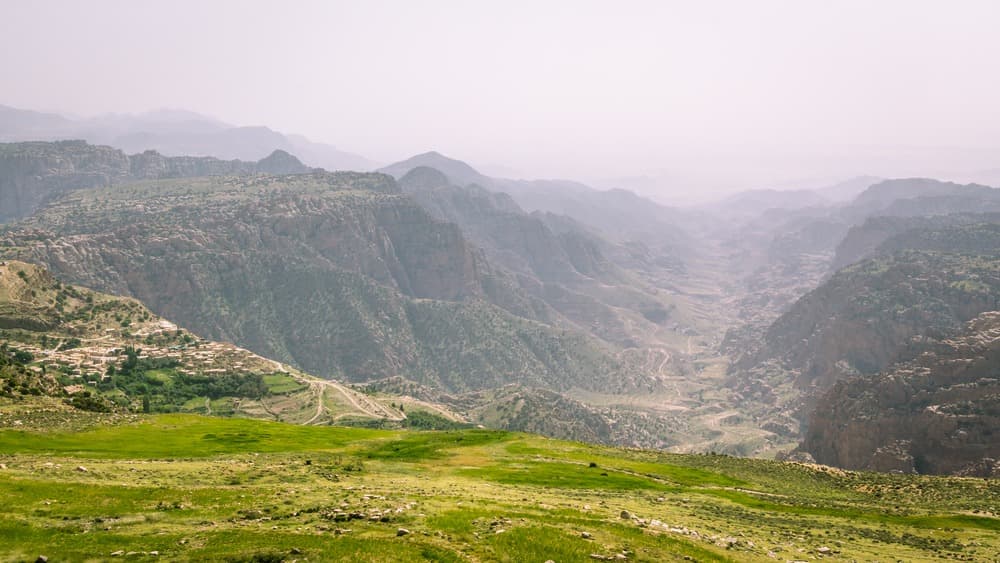
With its valleys, mountains, oases, gorges, arid and desert landscapes, Jordan possesses exceptional biodiversity that is home to numerous wild animals.
With its valleys, mountains, oases, gorges, arid and desert landscapes, Jordan possesses exceptional biodiversity that is home to numerous wild animals. Discover our selection of Jordan's most beautiful nature reserves to hike through impressive landscapes and encounter endemic, rare and protected animal species.
1. Dana Nature Reserve
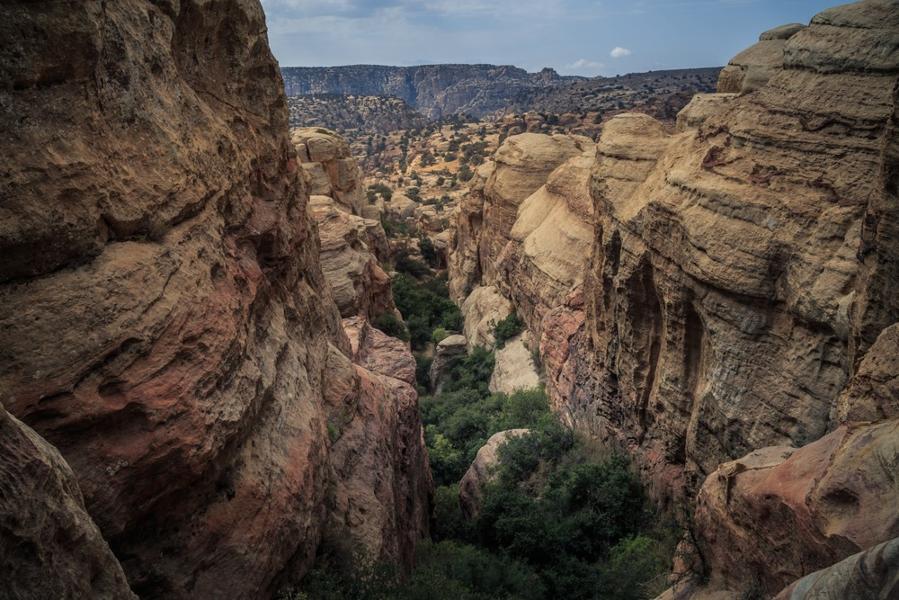
Located in south-central Jordan, the Dana Nature Reserve is the country's largest forest reserve. A true natural jewel of Jordan, the reserve offers a wealth of landscapes: canyons, gorges, wadis, arid plains, geological formations, mountains and colorful cliffs.
With such diversity, the nature reserve is home to numerous wild animals. You'll find mammals such as Nubian ibex, Syrian serin, striped hyena, sand cat, desert lynx and mountain gazelles.
It's also a paradise for birdwatchers. Several hiking trails allow you to observe birds, such as Campsite Trail. You can spot numerous raptors (eagles, buzzards, falcons…) as well as rarer species like the Syrian serin.
Beyond hiking and wildlife observation, Dana Nature Reserve is also an opportunity to immerse yourself culturally by passing through picturesque villages where you can meet and share the daily life of Bedouins.
2. Mujib Valley Nature Reserve
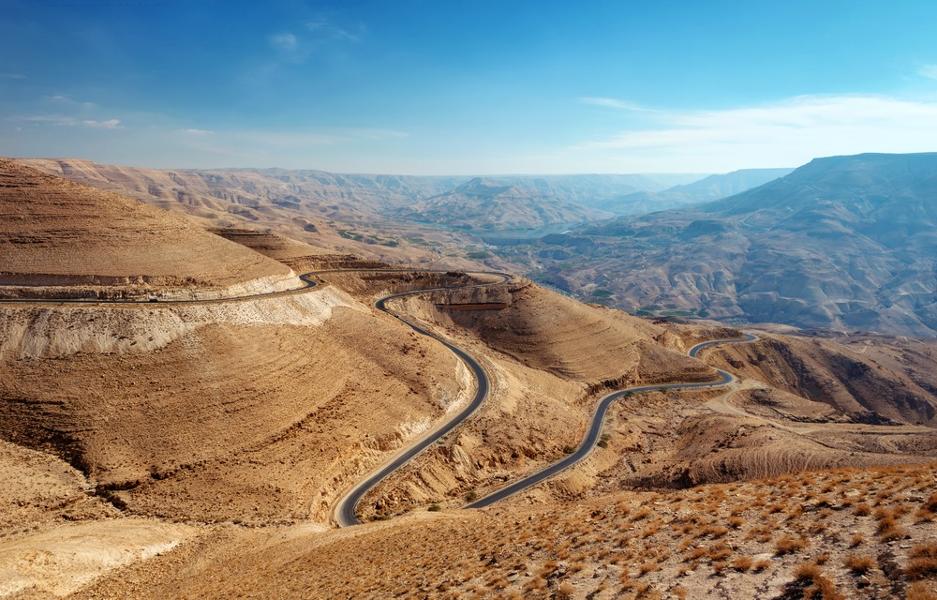
Nestled in the mountainous foothills east of the Dead Sea, the Mujib Valley Nature Reserve is among Jordan's most beautiful reserves. Located in the gorges of Wadi Mujib, whose depths reach 410 meters below sea level, it is the lowest nature reserve on the planet.
It's the perfect spot for thrill-seekers! Indeed, you can enjoy numerous trails, aquatic hikes, climbing and rock climbing, canyoning and rafting.
Comprised mainly of desert landscapes, Mujib Valley features rivers and magnificent waterfalls. The presence of water has enabled this hostile environment to support exceptional biodiversity.
Nearly 250 species of carnivorous mammals are recorded there (oryx, desert cats, Syrian wolves, caracals, Nubian ibex, feral goats…), 386 species of resident and migratory birds, several reptiles and freshwater fish.
On the plant side, over 400 varieties of plants thrive in the reserve, including sublime orchids, acacias, pink-flowering tamarix, nerium, phoenix palms and much more…
Note: it is not possible to hike freely in Mujib Valley Nature Reserve. Visits must be accompanied by a guide.
3. Ajlun Forest Reserve
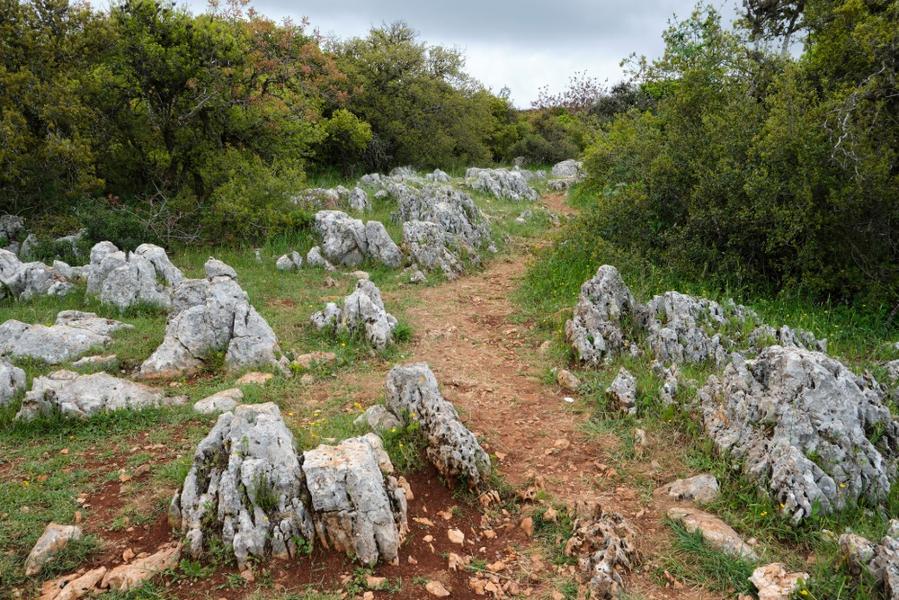
Head northwest of the country, about forty kilometers from Amman, to discover the historic town of Ajlun and its forest reserve.
Renowned for its medieval fortress perched on Mount Jabal'Auf, the town of Ajlun is an essential stop on any Jordan trip. Completed in 1185, Ajlun Fortress is considered a jewel of medieval Arab-Islamic architecture.
As for the Ajlun Forest Reserve, you'll find numerous hiking trails winding through forests of pine, oak, carob and pistachio trees. An opportunity to encounter wildlife such as jackals, wild boar, striped hyenas, grey wolves, deer or the rare crested porcupine.
In addition to visiting the fortress and hiking in Ajlun Forest Reserve, don't miss the Great Mosque of Ajlun and Tell Mar Elias, the famous place where the prophet Elijah was born.
As you can see, this Jordan nature reserve is perfect for visitors looking to combine historical and cultural discoveries with outdoor hiking!
4. Azraq Wetland Reserve
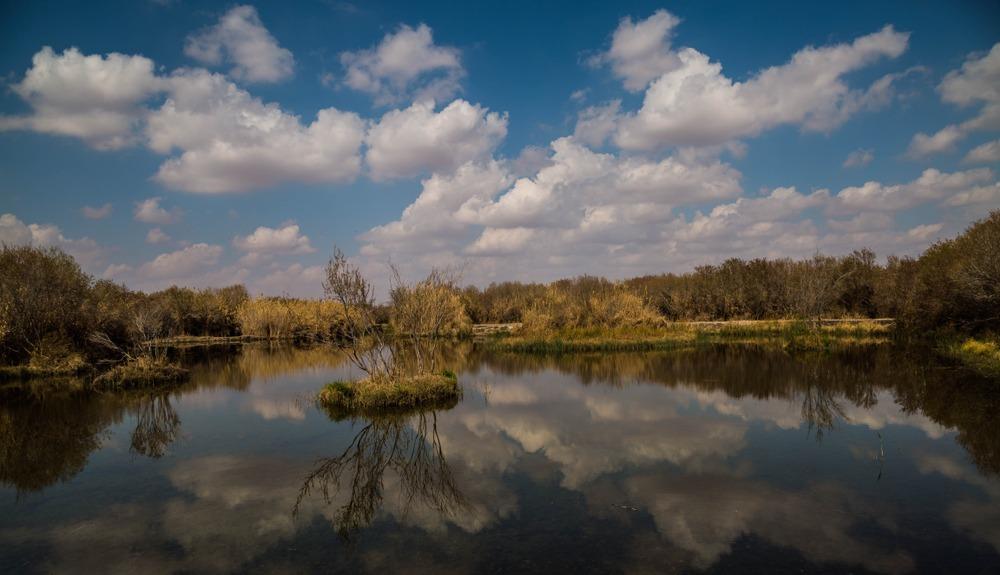
Azraq is a small town situated in the heart of Jordan's semi-arid desert in the center-east of the country. It is an oasis comprising pools, a marshy zone and a vast mudflat. The town is particularly known for its Azraq Castle (or Qasr Azraq), which is well worth visiting.
Originally, the wetland was created 250,000 years ago by aquifers resulting from geological changes. Unfortunately, it now comprises only 10% of its original size due to ecological damage from intensive fossil water pumping. To preserve the area, the Royal Society for the Conservation of Nature designated the zone as a protected wetland reserve in 1978.
Though far fewer in number than before, the Azraq Wetland Reserve remains a superb site for birdwatching with 300 species of migratory birds.
During a hiking or cycling outing, you can spot notably Jordan's national bird, the Sinai rosefinch, as well as desert warblers, Cetti's warblers, desert bullfinches, marsh harriers, ruff sandpipers, avocets, little plovers and curlew sandpipers…
Azraq Reserve also hosts other animal species (jackals, foxes, striped hyenas, wolves, lynx…) as well as plant species such as aquatic plants (sedges, reeds, sea buckthorn, local aromatic tamarix…).
5. Shaumari Wildlife Reserve
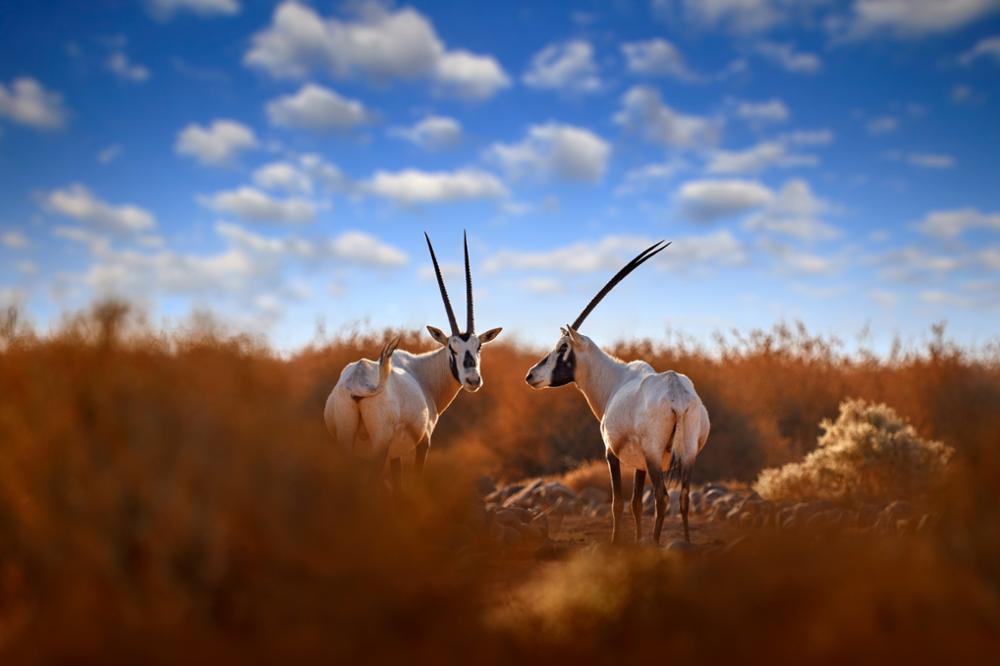
After visiting Azraq Wetland Reserve, continue your journey about ten kilometers away to discover Shaumari Wildlife Reserve, a breeding and reproduction center for endangered species.
Covering an area of 21 square kilometers, the reserve is divided into two zones: a semi-desert area crossed by a watercourse and a stone desert covered with a layer of black flint.
This reserve was created in 1975 by the Royal Society for the Conservation of Nature with the objective of reintroducing, protecting and preserving rare, endangered, locally extinct and most threatened animal species of the Middle East.
Among the wild animals you can observe there are Arabian oryx, desert gazelles, Persian onagers, Houbara bustards and Somali ostriches. The Arabian oryx is the star of the place. Once nearly extinct, around 200 now live in the reserve. You can easily spot them during a safari!
Birdwatching enthusiasts will also be delighted observing birds from the top of an observation tower.
To not miss anything essential and discover the country's natural gems, explore our dedicated tour of Jordan's nature reserves.
Frequently asked questions
Dana Nature Reserve is the largest forest reserve in Jordan. Located in south-central country, it offers great landscape diversity: canyons, gorges, mountains, arid plains and geological formations.
No, Mujib Valley Nature Reserve is not open to free exploration. A guide is mandatory to visit this site. You can practice aquatic hiking, canyoning, climbing and rafting in complete safety.
Azraq Wetland Reserve is ideal for birdwatching, with over 300 species of migratory birds recorded, including the Sinai rosefinch, Jordan's national bird. Dana Reserve and Mujib Valley also offer excellent ornithological opportunities.
Arabian oryx can be observed at Shaumari Wildlife Reserve, a few kilometers from Azraq Reserve. Once nearly extinct, around 200 now live in this reserve. A safari allows you to spot them easily.
Yes, Mujib Valley Nature Reserve is considered the lowest nature reserve on the planet. It is located in the gorges of Wadi Mujib whose depths reach 410 meters below sea level.
Jordan's 5 most beautiful reserves offer numerous activities: hiking, aquatic hiking, canyoning, climbing, rafting, birdwatching, safari and cycling. Some reserves also allow cultural immersion through visits to Bedouin villages and historic sites.