Practical information Jordan
Planning a trip to Jordan requires some concrete guidance, and our team based in Amman updates it regularly. Regarding formalities, you can get a visa on arrival at Queen Alia airport or include it in the Jordan Pass, which also covers entry to Petra and over 40 sites. No vaccinations are mandatory, though hepatitis A and typhoid are recommended depending on the length of your stay. The average budget runs around 80 to 130 euros per day per person excluding international flights, with variations depending on accommodation and activities such as a night in a Bedouin camp in Wadi Rum or diving in Aqaba. The local currency, the Jordanian dinar, is worth approximately 1.30 euros; ATMs are plentiful in Amman, Aqaba and Petra but scarce in the desert. Climate varies significantly with altitude: Amman sits at 800 m and experiences cold winters, Aqaba stays temperate year-round, and Wadi Rum ranges from 40°C in summer to freezing nights in January. For transport, a rental car is the most flexible option, given reasonable distances, while the JETT bus connects major cities for tighter budgets. Safety is high, with the country welcoming travellers for decades without any notable incidents. Hossam and the team are available via WhatsApp or phone throughout your stay to answer questions about local customs, tipping or any unexpected issues.
Plan your trip by theme
Explore our practical guides organized by category to quickly find the information you need.
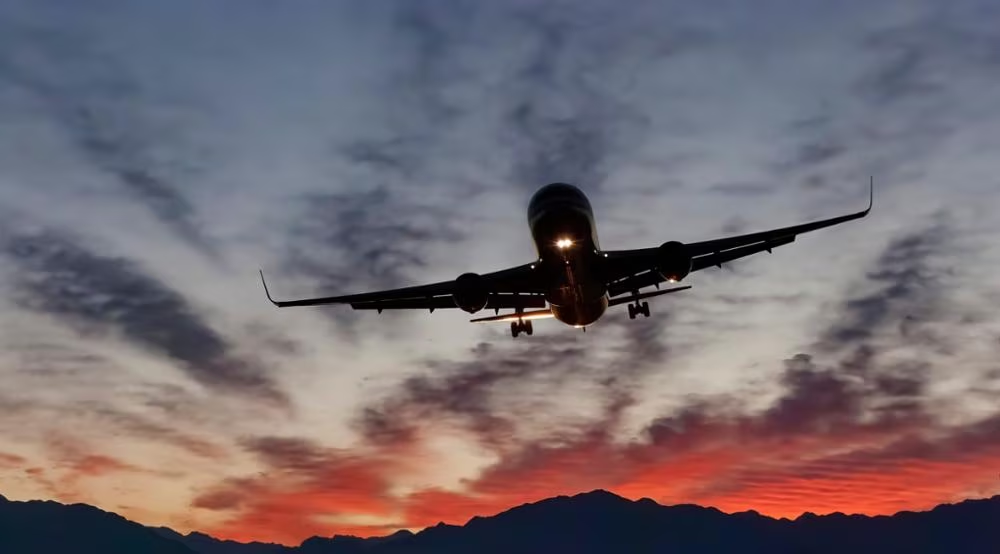
Before You Go
Visa on arrival or Jordan Pass, passport valid for 6 months, travel insurance and formalities to arrange before departure.
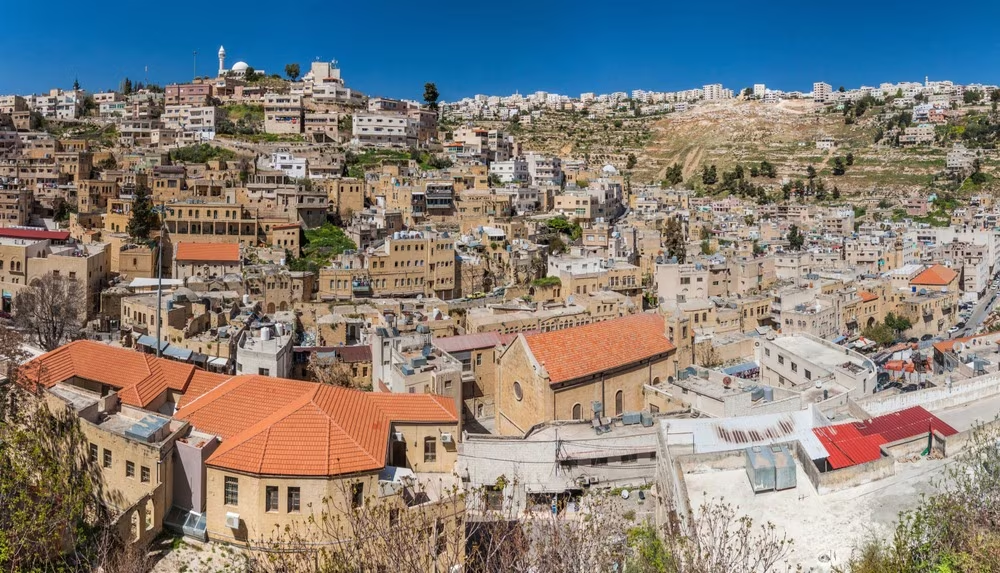
Budget Money
Jordanian dinar, exchange rate around 1.30 euro, budget 80 to 130 euros per day, cards accepted in cities, customary tips.
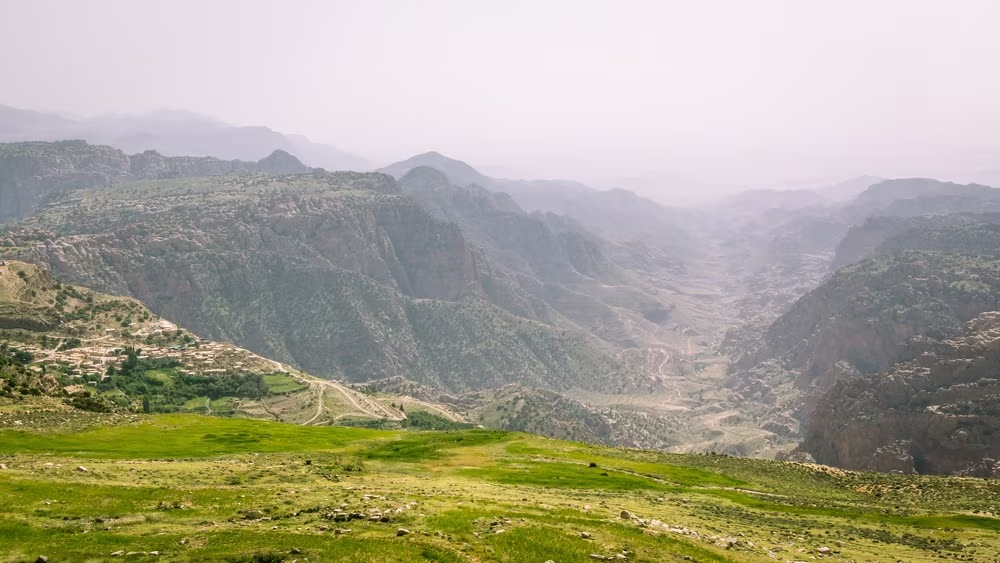
Climate Season
Spring and autumn are ideal, summers are very hot in the south, winters are cold in Amman and snow is possible in Petra.
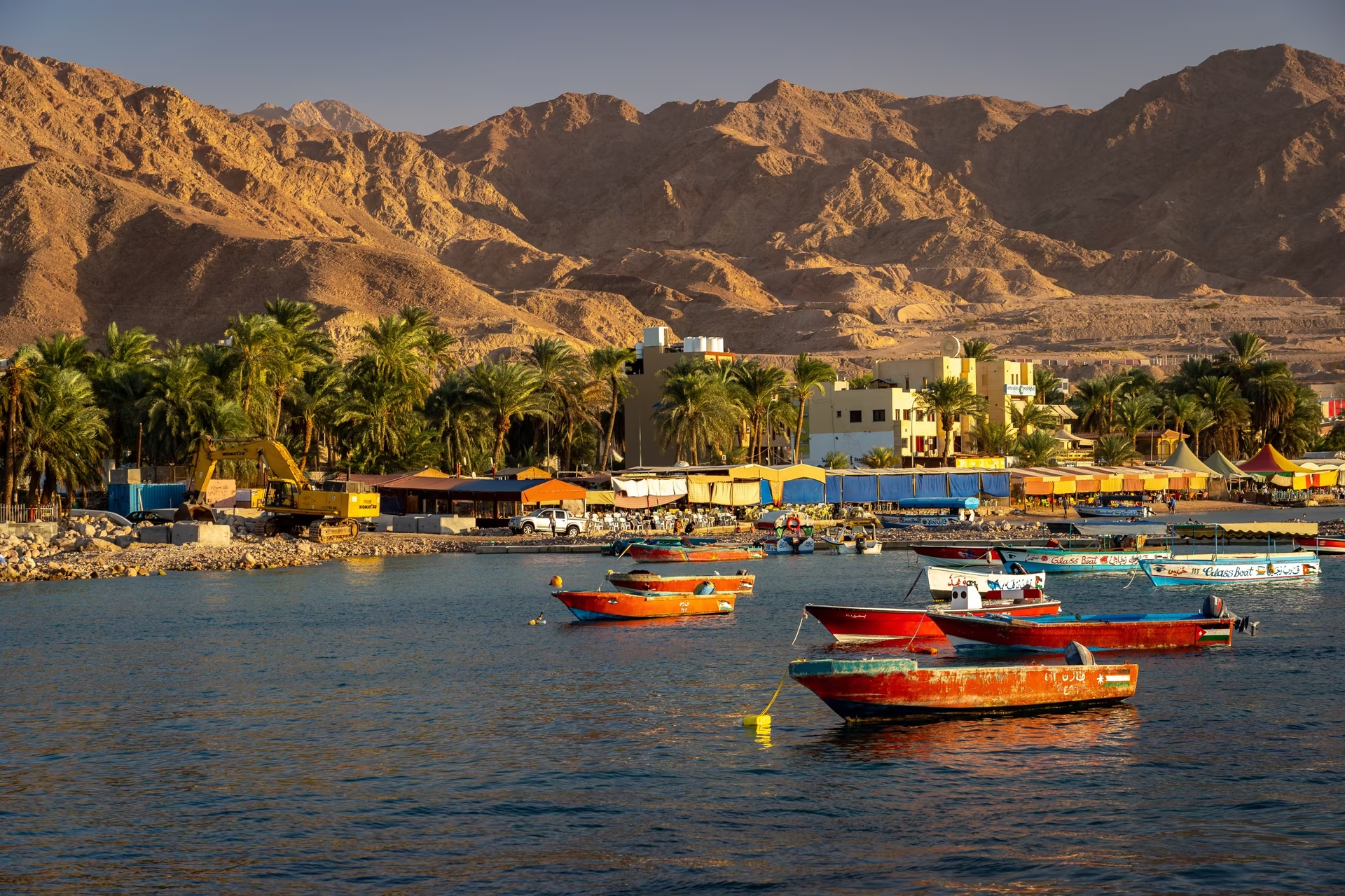
Transports
Recommended rental car, King's Highway and Desert Highway, JETT buses between major cities, Careem taxis in Amman.
Culture
Open Muslim country, wear covering clothing at religious sites, greet with your right hand, plan ahead for Ramadan.

Useful Tips
High security, tap water to avoid, type C and F outlets, practical Jordanian eSIM, on-site advice from Hossam.
All practical guides
Search and filter among 0 articles
No articles match your criteria.
Frequently asked questions
The answers to the most frequently asked questions from our travellers.
Yes, a visa is required for French, Belgian and Swiss nationals. It can be obtained directly upon arrival at Amman's Queen Alia airport for 40 Jordanian dinars, approximately 52 euros, for stays of up to 30 days. The best option remains the Jordan Pass, to be purchased online before departure: between 70 and 80 dinars depending on the number of days at Petra, it includes the visa and entry to over 40 sites including Petra, Jerash and Wadi Rum. Your passport must be valid for at least 6 months from your entry date. The Jordan Pass is only valid for stays of at least 3 nights.
No vaccines are mandatory to enter Jordan. Universal vaccinations (DTP, MMR, pertussis) must be up to date. For a standard trip, hepatitis A and typhoid are recommended, particularly if you plan to stay in rural areas or Bedouin camps. Hepatitis B is justified for longer stays. No cases of malaria or yellow fever, so no antimalarial treatment needed. Tap water is not potable; plan for bottled water or a filtered water bottle. A consultation at an international vaccination center 4 to 6 weeks before departure allows you to adjust based on your profile and length of stay.
Expect between €80 and €130 per day and per person excluding international flights, based on standard double room. The main expenses are accommodation (€40 to €80 per night in 3-star hotels, up to €200 in Feynan ecolodges or premium Wadi Rum camps), meals (€8 to €15 for a mansaf or mezze platter), car rental (€35 to €60 per day) and activities. Diving in Aqaba costs around €35 per tank, a night in a fully inclusive Bedouin camp around €60. The Jordan Pass significantly offsets site entries. Fuel costs approximately €1 per liter.
The two best windows are March to May and September to November. Temperatures range between 18 and 28°C during the day, ideal for walking in Petra or camping in Wadi Rum. July and August frequently reach 40°C in the south and the Dead Sea, making hikes challenging, but they suit diving in Aqaba. December to February bring cold to Amman (5 to 12°C), possible snow in Petra, and freezing nights in the desert, while offering nearly empty sites. Ramadan, which shifts each year, changes restaurant hours and local rhythms—something to plan for without discouraging your trip.
A rental car remains the most flexible option; the country measures approximately 400 km from north to south and roads are in good condition. Allow 3 hours from Amman to Petra via the Desert Highway, 4.5 hours via the more scenic King's Road. An international driving permit is required. JETT buses connect Amman to Petra, Aqaba and the Dead Sea for 10 to 15 dinars, reliable options without a car. In Amman, the Careem app works like Uber, rides at 2-5 dinars. Yellow taxis negotiate or use the meter. In Wadi Rum, 4x4s from Bedouin camps take over on the trails. No regular tourist train service is in operation.
Yes, Jordan is among the safest countries in the region and has welcomed travelers for decades without significant incident. Crime against tourists remains very rare, and tourist police are present at major sites. The borders with Syria and Iraq are subject to enhanced vigilance, but tourist zones are distant from them. The Quai d'Orsay classifies most of the territory as normal alert level. Standard precautions apply: avoid gatherings, respect local customs, do not photograph military sites. Our team in Amman monitors the situation continuously and remains reachable via WhatsApp throughout your stay for any needs.
Ready to travel to Jordan?
Discover our tailor-made itineraries, designed by our local team. Each route adapts to your pace, your preferences and your travel season.
See our toursWe use cookies to improve your experience and measure our site's audience. You can choose what you accept. Learn more.