Amman and the North
Three Jordans within 100 km of Amman: the cosmopolitan capital spread across seven hills, the Roman colonnades of Jerash, the Ajloun forests where snow falls in January.
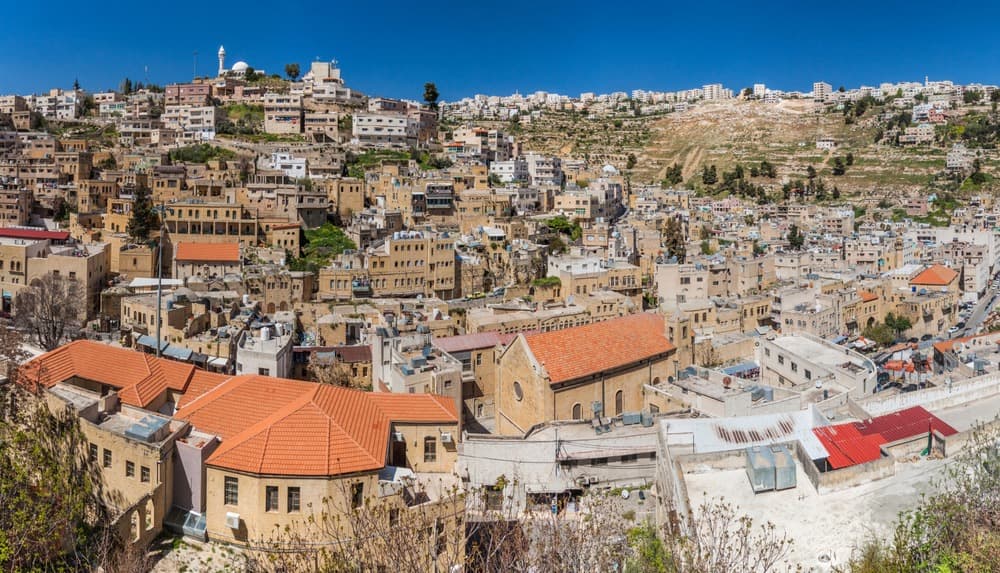
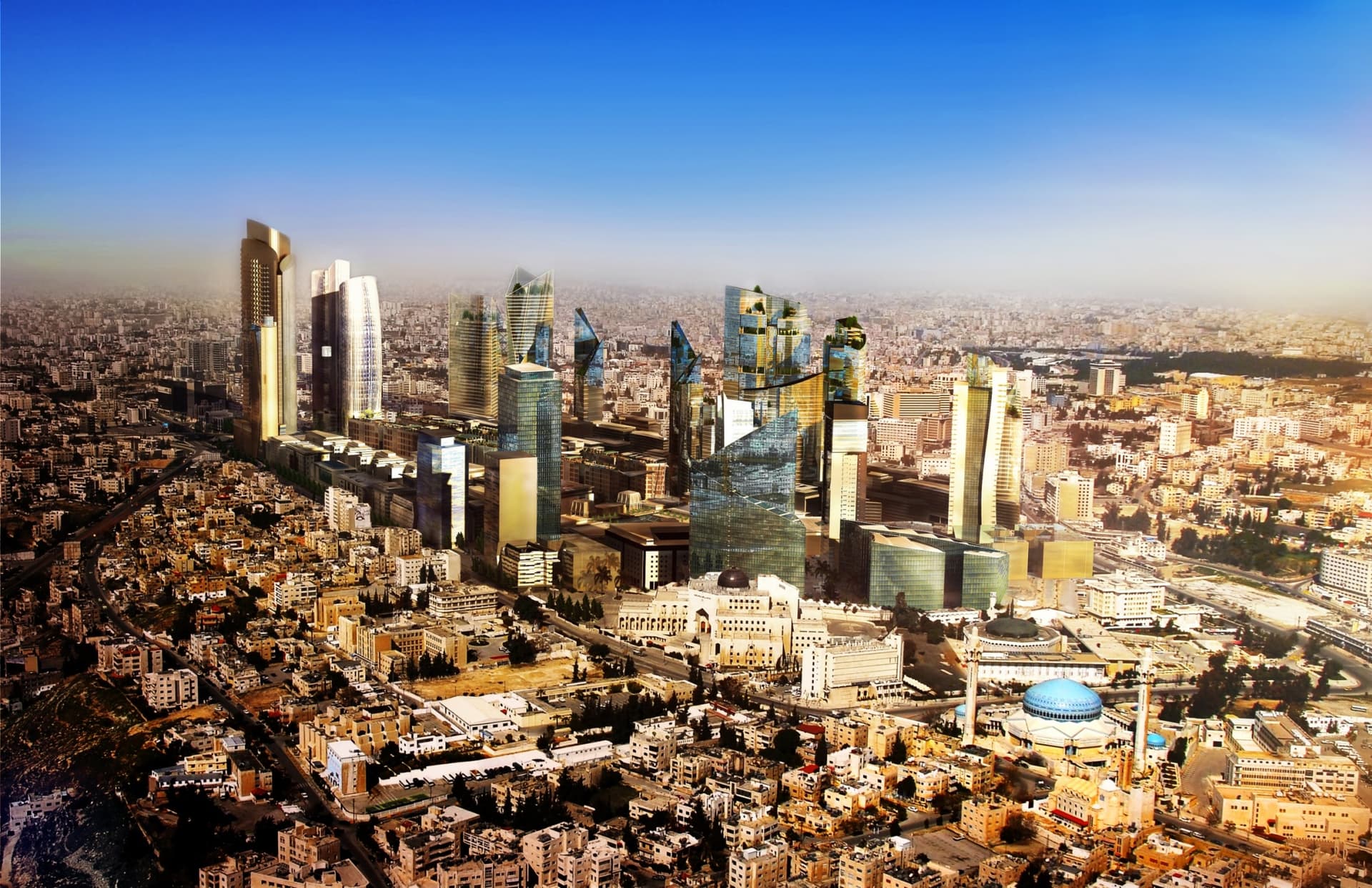
Amman stretches across seven limestone hills that locals call jabal. Our agency is based in the capital and we often begin our itineraries here, as the city offers a gentle transition before the desert. The Citadel, perched on Jabal al-Qal'a, brings together in one site the Roman temple of Hercules, the 8th-century Umayyad palace and Byzantine remains. Below it, the Roman theatre with its 6,000 seats still hosts concerts during the Jerash Festival. Downtown Balad remains popular and bustling: here you buy pastries from Habibah, warm nabulsi knafeh with cheese and syrup, or spices from the el-Bukharia souk.
The districts of Jabal Amman and Jabal Weibdeh form the current cultural heart. Rainbow Street concentrates cafés and galleries, while quieter Weibdeh hosts Darat al Funun, a contemporary art centre set in several 1920s villas. Ammanis gather in late afternoon on terraces over cardamom coffee or mansaf, the national dish of lamb, rice and jameed—dried yoghurt from the southern Bedouins. To understand the city's social composition, it helps to know that Amman tripled in size with successive arrivals of Palestinians in 1948 and 1967, Iraqis after 2003, and Syrians since 2011. This migratory history is written in the neighbourhoods and cuisines.
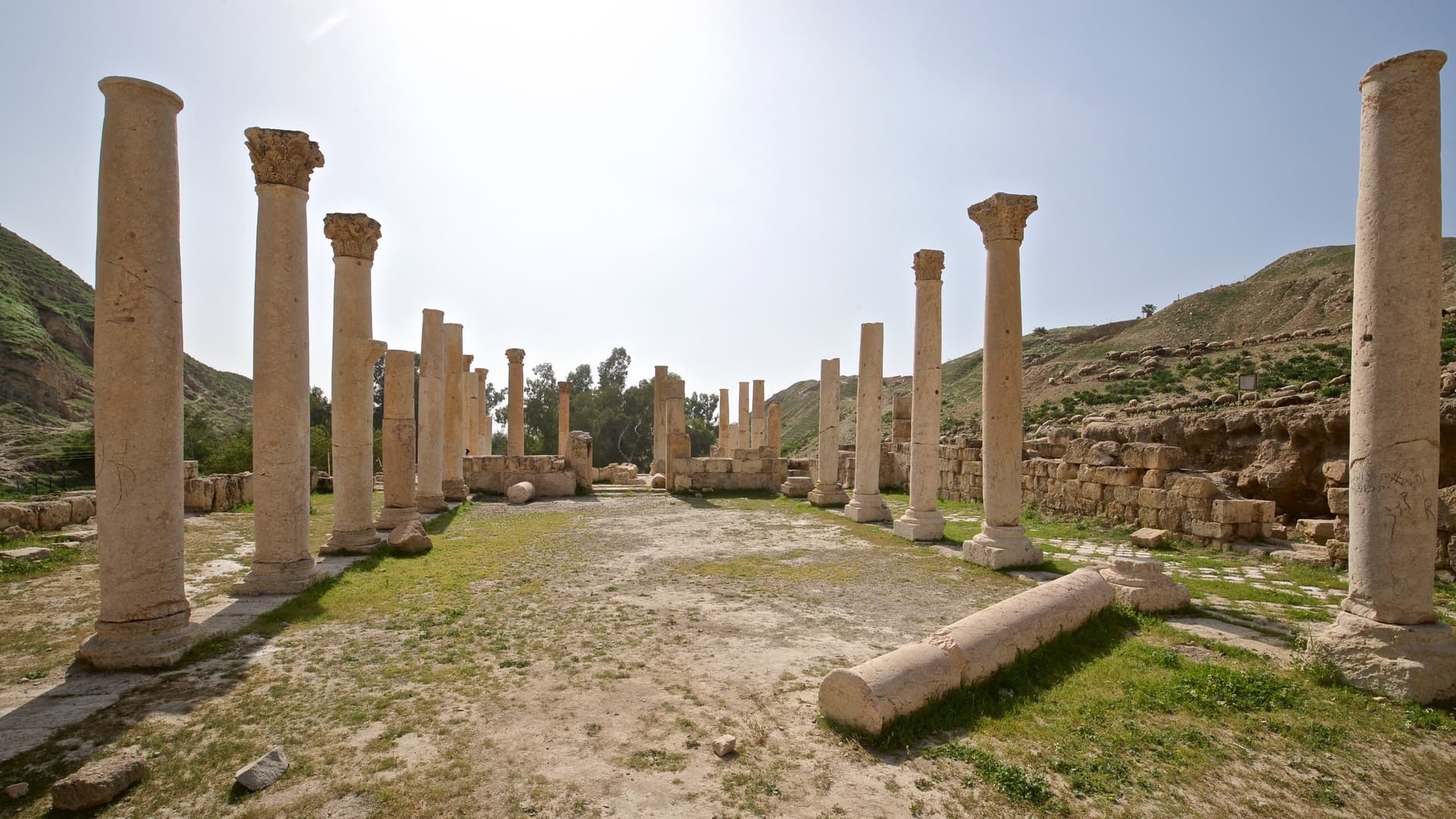
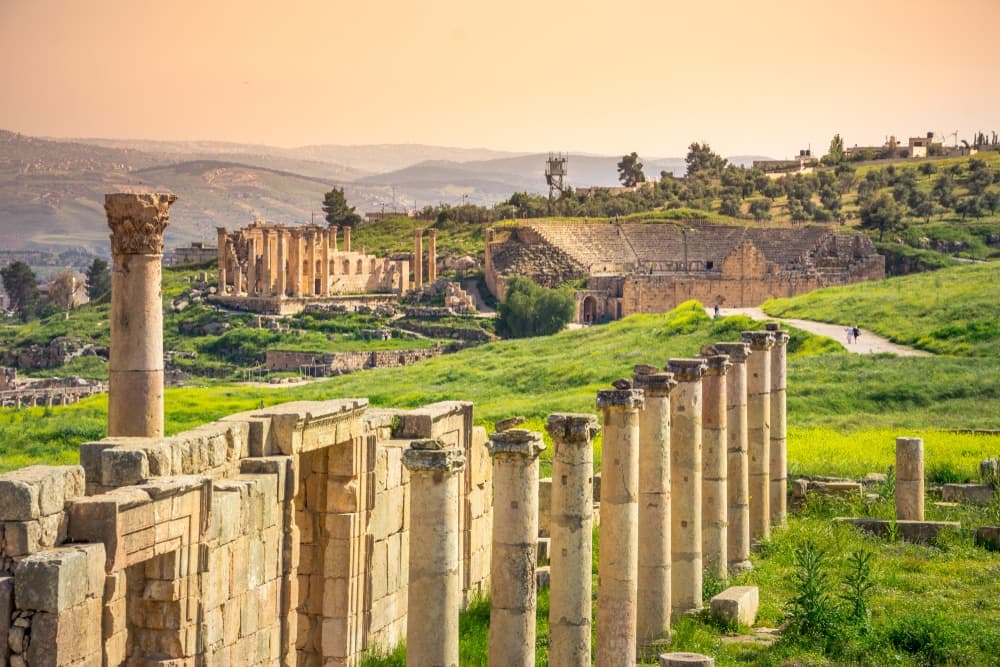
Some 50 km north via Highway 35, Jerash preserves one of the best-preserved Roman ensembles in the Near East. The cardo maximus, stretching 800 metres, still bears the ruts carved by chariots in its flagstones. The oval plaza bordered by 56 Ionic columns, the temple of Artemis and the hippodrome can be visited in half a day. We recommend arriving at opening, around 8am, to avoid the tour groups that arrive mid-morning. Some 20 kilometres away, Umm Qais overlooks the Yarmouk Valley with views of Lake Tiberias and the Golan Plateau: the site combines a black basalt theatre and a Byzantine basilica.
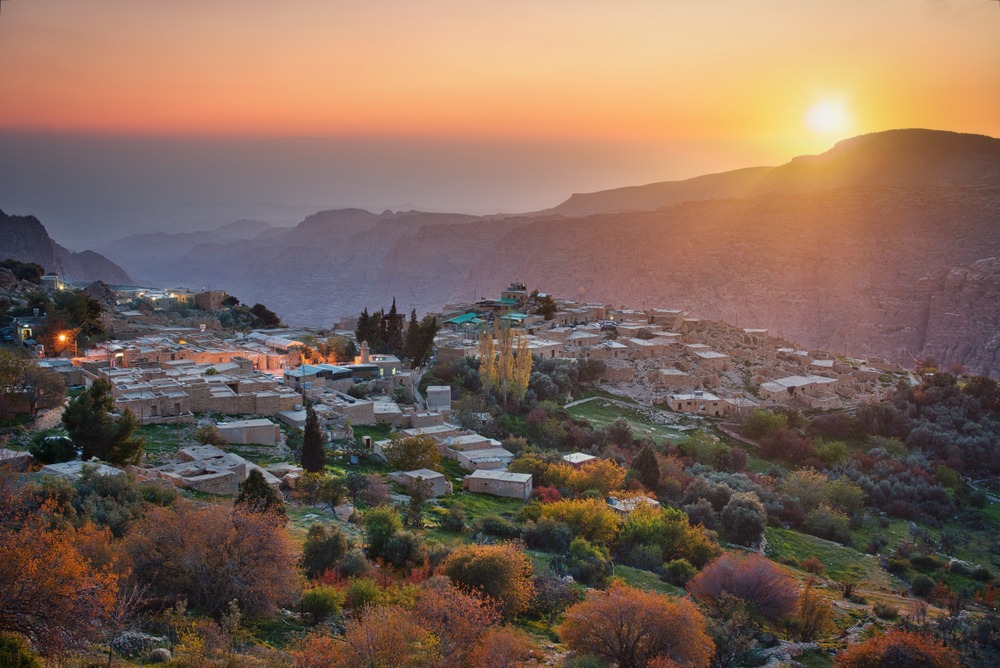
Further west, the Ajloun hills rise to 1,250 metres and preserve one of the country's last Mediterranean forests: oaks, terebinth pistachios, carob and century-old olive trees. Qal'at ar-Rabad castle, built in 1184 by one of Saladin's generals to watch the Crusaders of the Kingdom of Jerusalem, controlled the route between Damascus and Cairo. The Ajloun Nature Reserve, managed by the RSCN, offers marked trails and an olive oil soap production workshop run by women's cooperatives from the village of Orjan. Many travellers are surprised by this green Jordan, cool in winter, sometimes snow-covered in January.
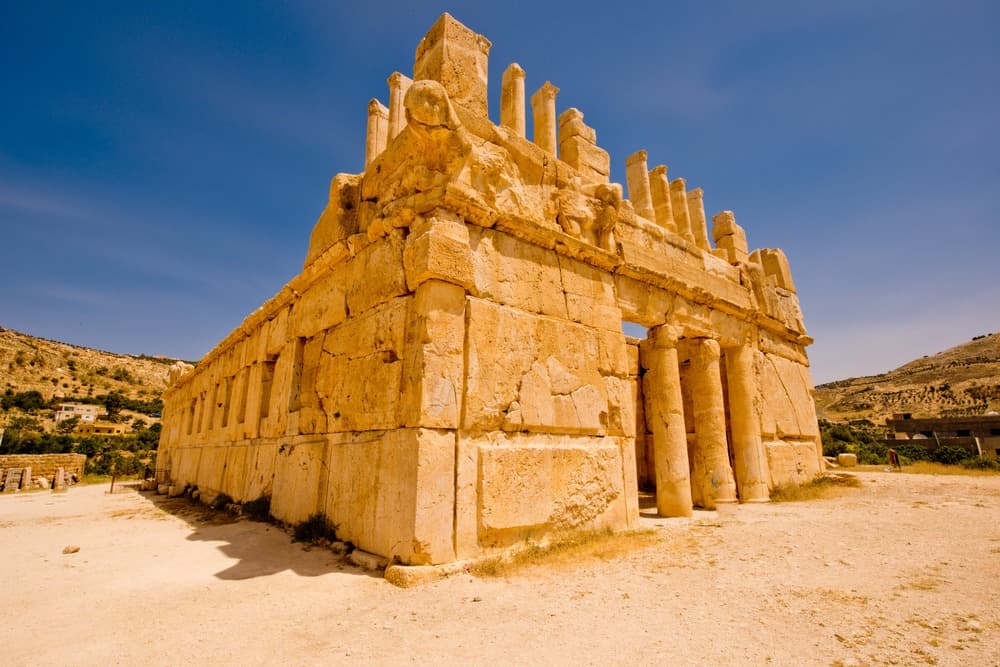
East of Amman opens the basalt desert of Hauran, scattered with 8th-century Umayyad castles: Qasr Amra with its Unesco-listed frescoes, Qasr Kharana, Qasr Azraq where Lawrence of Arabia set up his winter quarters in 1917. A day-long loop from the capital allows you to visit them all, passing through the Azraq oasis, once a major stopover for migrating birds between Europe and Africa, now reduced by aquifer extraction.
The North region thus concentrates three Jordans within a 100 km radius of Amman: the cosmopolitan city, the Graeco-Roman sites of the Decapolis, and the high-altitude forests. It is also the country's logical entry point, 35 km from Queen Alia airport.
To discover
Amman Citadel at sunset. The six columns of the temple of Hercules stand silhouetted above the city as the call to prayer rises simultaneously from hundreds of minarets below. The on-site archaeological museum preserves the statues of Ain Ghazal, among the oldest known human representations, dated to 7250 BC.
Jerash Roman cardo at dawn. Walk alone along the 800 metres of flagstones striped by chariots, between the colonnades, before the buses arrive. In the morning, the slanting light brings out the Greek inscriptions carved on the column bases.
Ajloun castle and forests. A 3 to 4 hour hike between the villages of Orjan, Rasoun and Baoun, through terraced olive groves. Lunch with locals featuring galayet bandora, tomatoes braised in local olive oil, then a visit to Qal'at ar-Rabad overlooking the Jordan Valley.
Desert castles and Azraq oasis. A day-long loop east of Amman to see the hunting frescoes of Qasr Amra, the geometric patterns of Qasr Kharana and the black basalt fort of Azraq. The neighbouring wetland reserve still welcomes thousands of migratory birds in March and October.
Umm Qais facing Lake Tiberias. A less-visited site in the far north, where you can see Jordan, Israel, Syria and the Golan Heights at once. The black basalt colonnades contrast with the white limestone usual for Roman sites.
When to go
Amman and the North follow a Mediterranean rhythm, cooler and more humid than the rest of the country. From March to May, the hills turn green and are covered with poppies and black irises, the national flower; temperatures range from 12°C at night to 22°C during the day—these are the best months. From June to September, Amman hovers around 30°C during the day but nights remain comfortable at 18-20°C thanks to the 800-metre altitude, very different from Wadi Rum at the same time. October and November offer a second ideal window.
From December to February, nights frequently drop below 5°C, sometimes below freezing in Ajloun where snow falls one to three times each winter and can close roads for 24 to 48 hours. Rains concentrate on these months, roughly 500 mm cumulative. Pack a fleece and waterproof jacket, even though sunny afternoons remain pleasant around 12-14°C. Ramadan, whose dates shift each year, changes site and restaurant hours; we adapt programmes accordingly.
Practical advice
We recommend 2 to 3 full days for the region: one day for Amman itself (Citadel, Roman theatre, Balad, Weibdeh), one day for the northern loop with Jerash and Ajloun, and possibly a third day for Umm Qais or the desert castles to the east. Queen Alia airport, 35 km south of the capital, is the country's natural entry point; allow 40 minutes to drive to downtown. Distances in the North are short: Jerash is 1 hour away, Ajloun 1.5 hours, Umm Qais 2 hours.
The most logical combination is to head down to the Dead Sea (1 hour's drive), then continue on the King's Highway towards Petra. Travellers with 12 days or more can combine Amman, Dead Sea, Dana, Petra, Wadi Rum and Aqaba. Amman offers good hotel standards, from charming villas in Weibdeh to international establishments in Abdoun. The region suits travellers particularly interested in Graeco-Roman archaeology and contemporary Arab urban life, as well as families, since sites are quick to visit and roads are good.