Amman
Amman
An ancient capital perched on seven hills, Amman blends Roman ruins, Ottoman mosques, and vibrant neighborhoods. A complete guide to exploring the city and planning your Jordan itinerary.
Concealing stunning ancient ruins, Amman, Jordan's principal city, ranks among the most visited capitals in the Middle East. Here's what you need to know about its unmissable attractions.
Amman: Where Tradition Meets Modernity
Visiting Amman means paying tribute to an ancient city that defies time and transcends epochs without showing its age. The Bible associates it with the kingdom of the Ammonites, which existed some 1,300 years before Christ. The Greeks called it Philadelphia. Historical ruins abound throughout the capital like figures in a mathematics textbook, ranging from the Amman Citadel perched on a hilltop, which houses the Temple of Hercules, to the Odeon and Roman Theatre, passing through Byzantine churches, Arab palaces, and Ottoman mosques. Compared to neighboring cities in the Middle East, Amman boasts relatively low security risks. The Jordanian Government has made tangible efforts to strengthen police patrols in hotels and tourist districts, ensuring visitors feel comfortable and, more importantly, return. Book your flight to Amman now and explore the treasures of this incredible city, where yesterday's and today's architecture intertwine!
The City's Legacy
When applied to Jordan's capital, the phrase "open-air history book" is hardly an exaggeration. Amman appears in the Old Testament under the name of Rabatth Ammon. The Ammonite people lived here, maintaining trade relations with the Edomites and Moabites.
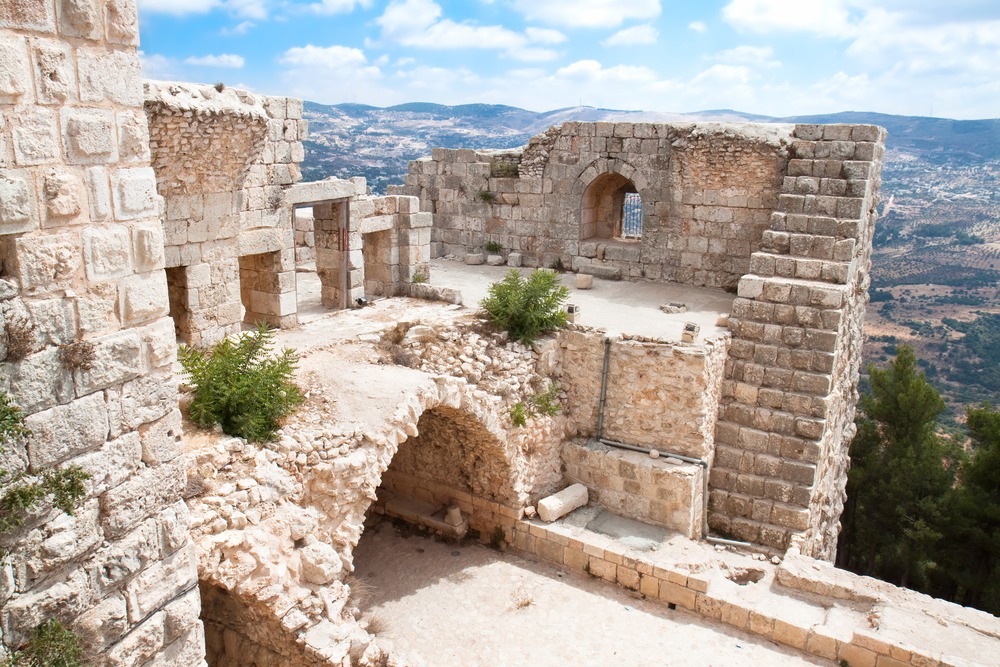
Of the domination by the Assyrians and Persians, who took control of Amman in the centuries that followed, no trace remains. The city owes its most famous ruins to the legacy of Hellenistic civilization, when the Middle East was conquered by Alexander the Great around 200 BCE. It was then called Philadelphia, a Greek word meaning brotherly love. The Qasr al-Abd or Palace of the Slave, located in the ghost village of Irak Al-Amir southwest of Amman, dates from this period. The Greeks also left behind magnificent pottery works.
After the Greeks came the Romans, who subjugated the city for over four centuries. The Amman Citadel is a precious remnant of their architecture, as are the nymphaeum, theatre, and odeon. Amman became a Muslim possession in the thirteenth century.
The modern city that tourists admire today was founded in 1878 by the Circassians. Fleeing Russian persecution, this ethnic group from the Caucasus resettled in Amman. Ottoman rulers granted them cultivable land. Growth accelerated from 1908 onward, following the completion of the Hejaz Railway, which connected Damascus to Medina. Fortunately, this railway passes through Amman. Swiftly, the modest farming community transformed into a flourishing commercial hub.
Today
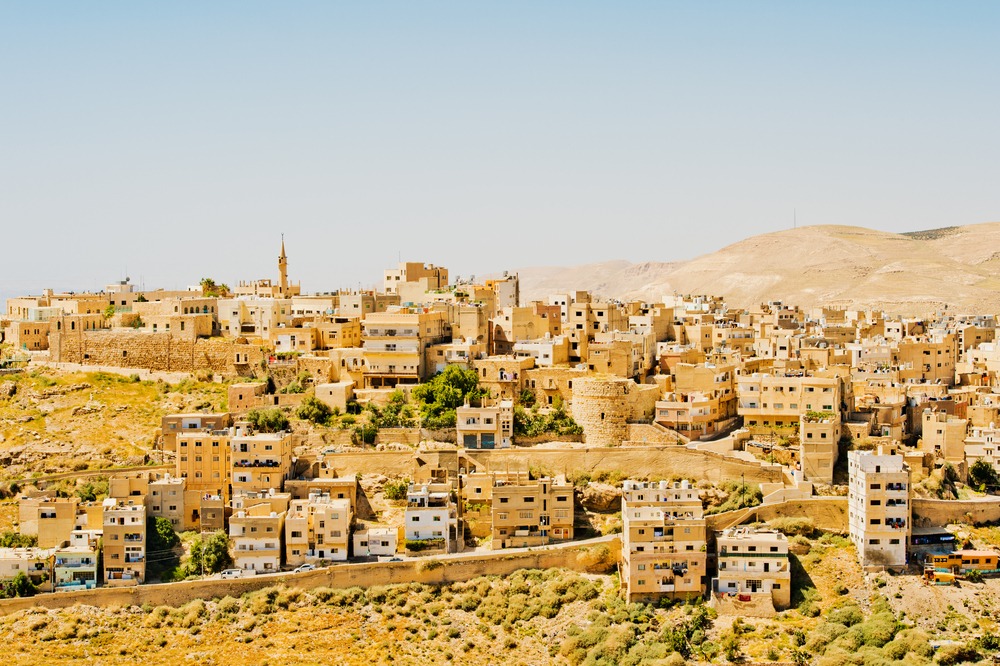
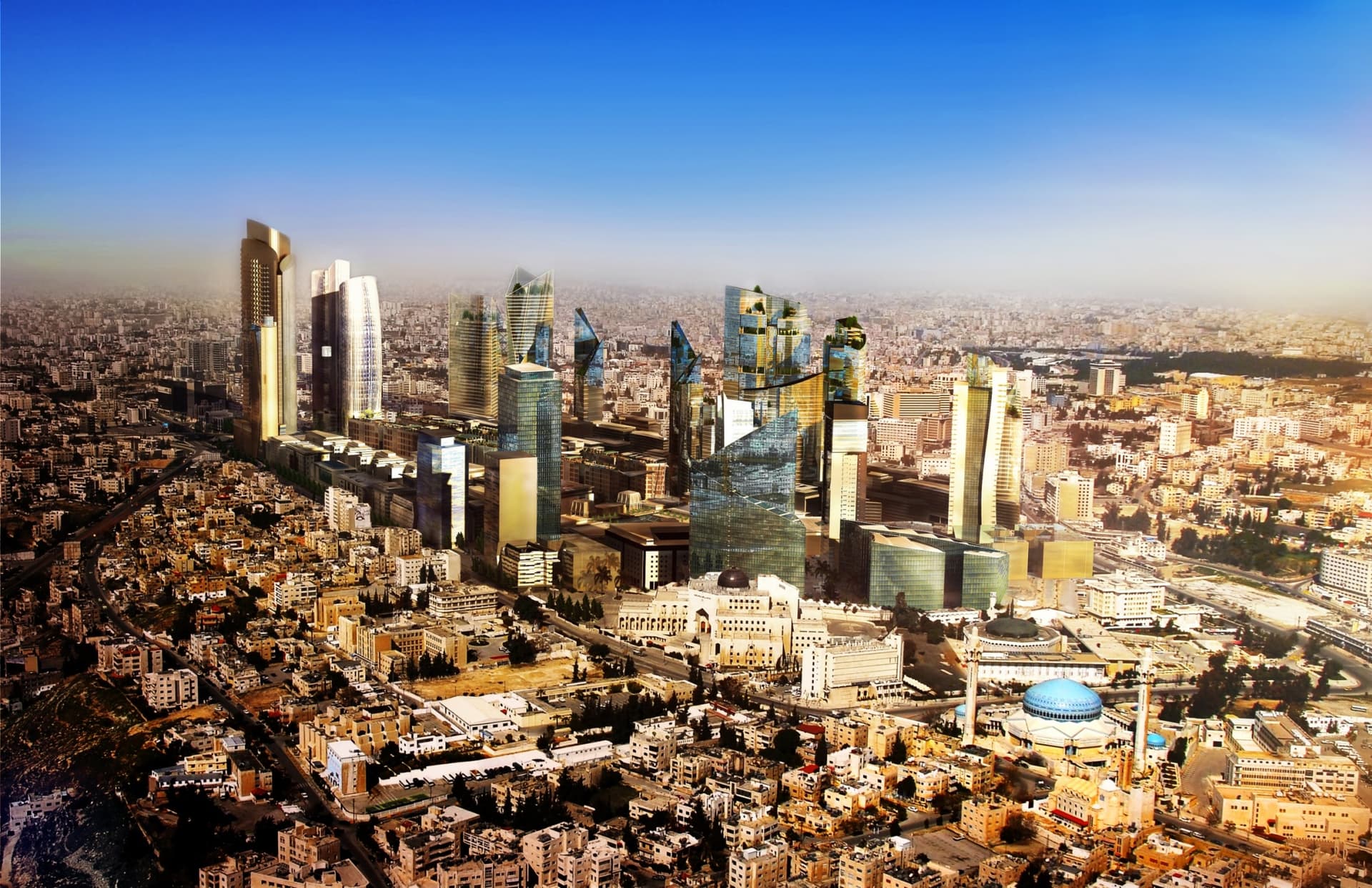
With nearly 2 million visitors annually, Amman ranks fifth among Arabian cities in tourist arrivals. The golden age Amman experienced in the past makes it a museum city in the truest sense. Amman captivates with the charm of its old city and the dynamism of its more modern neighborhoods, with their array of bars, pubs, souks, and nightclubs. What will you choose: a romantic journey through ruins or lively entertainment? It's advisable to dedicate one or two days to explore the capital.
Must-See Attractions
Alternately traditional and sleek, the eclectic atmosphere perfectly captures Jordan's capital. To make the most of your stay, our guide reveals the highlights below.
Archaeological and Historical Heritage
Jabal al-Qal'a
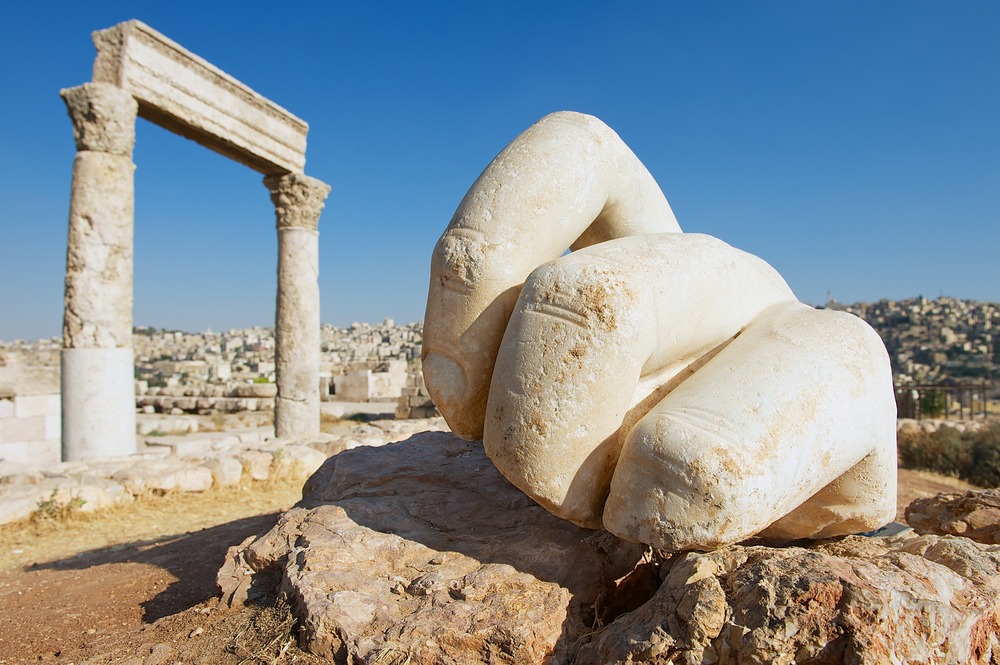
The Amman Citadel, locally known as Jabal al-Qal'a, is a renowned archaeological site. The major ruins to discover include the Temple of Hercules of Roman origin, the Umayyad Palace, the grand underground cistern, and the Byzantine church.
The Roman Theatre
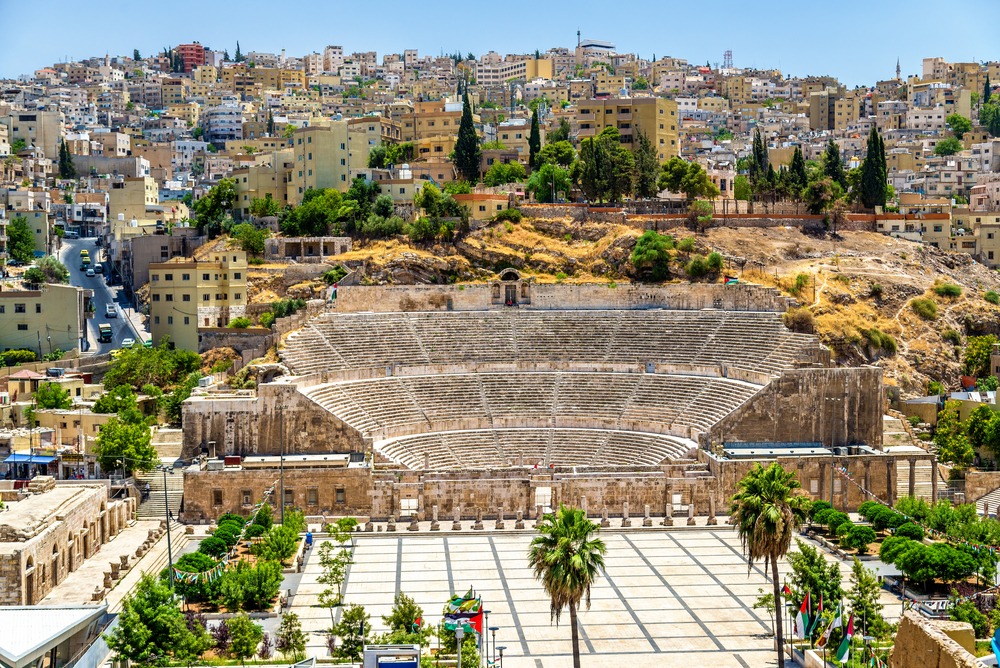
Perched on a hilltop opposite the Amman Citadel, the Roman Theatre is likewise an iconic landmark of the capital. A thousand years ago, an audience of 6,000 people sat on these stone steps, applauding, laughing, or weeping at the performances of comedians. Today, the venue hosts the awarding of prizes for a marathon competition. Just nearby, don't miss the Odeon and the Nymphaeum, located respectively to the east and north of Hashemite Plaza.
The Palace of the Slave
This rectangular-plan palace is situated in the heart of the Jordan Valley. It overlooks the abandoned village of Al-Iraq, once occupied by Greeks and Romans. The Qasr al-Abd – another name for the palace – with its façade of massive stone blocks, its colossal lion sculpture, and its tombstones, is one of the finest Hellenistic ruins in Jordan.
Natural Heritage
Forty kilometers south of the capital, Mount Nebo attracts pilgrims as it is believed to be the mountain where Moses gazed upon the Promised Land before his death. Magnificent views of the Dead Sea and the Jordan Valley.
Religious Heritage
The King Hussein Mosque
The King Hussein Mosque, completed in 2005, is the largest in the country. Sovereign Abdallah II had it built in honor of his late father, King Hussein. Located at an altitude exceeding 1,000 meters, the mosque is visible from kilometers away. Access is forbidden to tourists.
The King Abdullah I Mosque
A powerful symbol of the capital, this mosque was constructed in 1989 at the request of King Hussein to honor the memory of his grandfather. Its blue dome adorned with mosaics will delight many. It is one of the rare mosques in Jordan open to visitors.
Practical Information
When to Visit?
The recommended period for visiting Amman is spring. The months of April and May bring pleasant coolness to the capital, which ranks among the finest travel destinations in the Middle East. In April, temperatures in Amman range between 10° and 23° Celsius.
Tourism is facilitated by the two international airports in the capital: Queen Alia Airport, which handles international flights from Europe and America, and Zarka Airport, which primarily serves nearby destinations.
You'll Love…
Visiting the Amman Citadel;
Admiring the remains of the colossal statue of Hercules;
Wandering freely among Roman antiquities;
Collecting stunning views of the Dead Sea;
Exploring the Palace of the Slave;
Visiting mosques;
Discovering the atmosphere of the souks.
Attractions in Amman
Temple d'Hercule
Vestige romain du IIe siècle commandé par Marc Aurèle, le temple d'Hercule domine Amman depuis la citadelle de Jabal al-Qal'a, à 800 mètres d'altitude.
Théâtre romain d'Amman
Construit au IIᵉ siècle sous Antonin le Pieux, le théâtre romain d'Amman aligne 6 000 places creusées dans le flanc du Jabal Al-Joufah, face à la citadelle.
Accommodation in Amman
Larsa Hotel
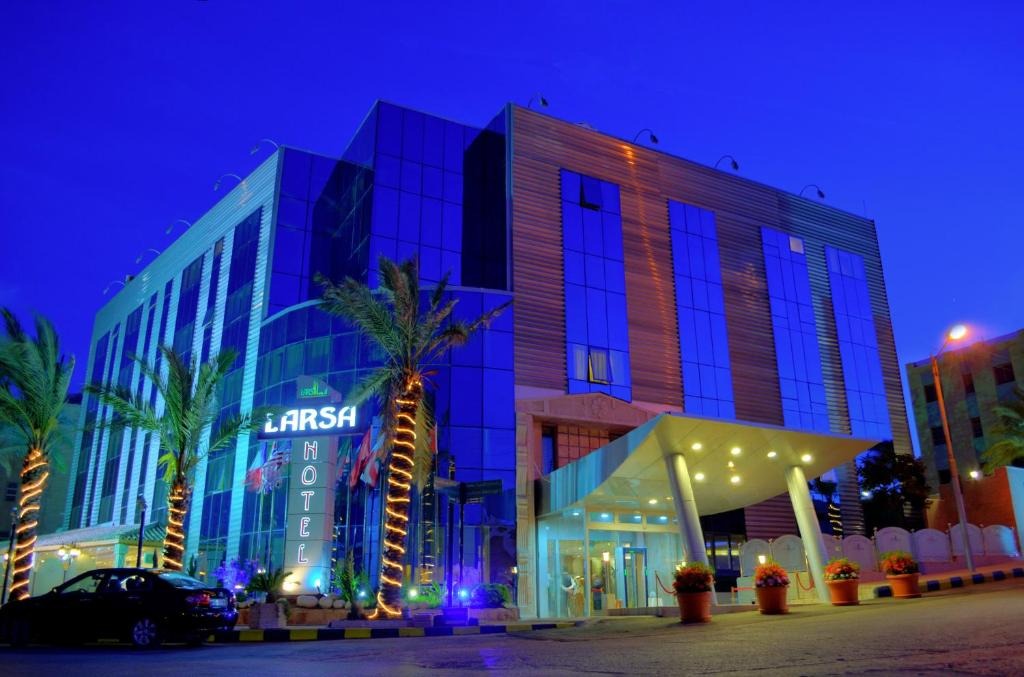
Hôtel 3 étoiles à 9 km d'Amman et 15 minutes de l'aéroport Queen Alia, le Larsa Hotel propose 66 chambres climatisées, trois restaurants, une piscine et un spa.
Sulaf Hotel
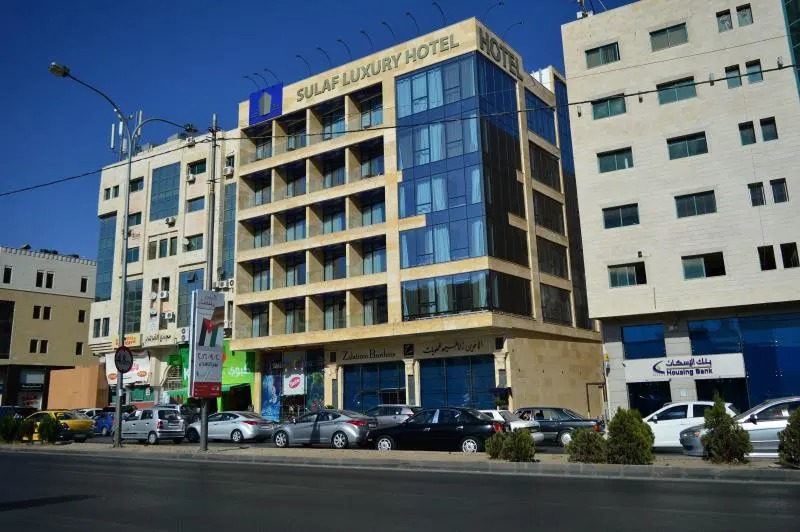
Hôtel 4 étoiles de 65 chambres en centre-ville d'Amman, à proximité du Théâtre romain et de la Citadelle. Confort urbain, services complets et navette aéroport.
Want to discover this destination?
Our local advisors design your tailor-made trip.