Ajlun
Ajlun
Located 75 km from Amman, Ajlun showcases one of the finest Arab-Islamic medieval fortresses in the Middle East, a unique forest reserve, and a biblical site dedicated to the prophet Elijah.
What traveler has come to Ajlun without marveling at its medieval fortress perched majestically on the hilltop? A truly unique attraction for visitors!
Ajlun, an incredible historic city in northern Jordan
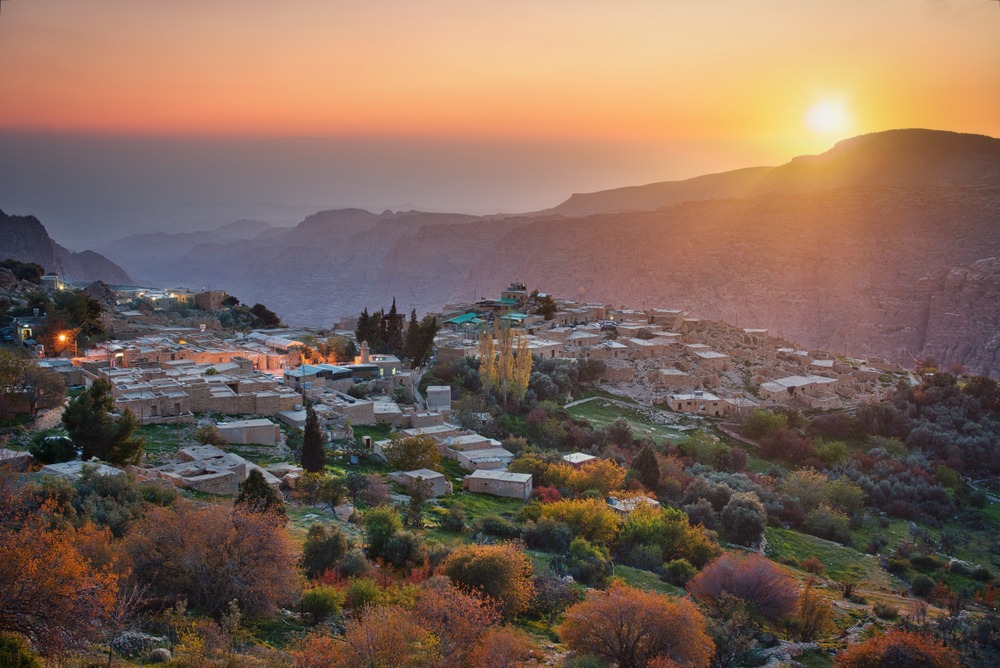
The city of Ajlun in northern Jordan has preserved its distinctly medieval character. At the sight of the Muslim fortress that dominates the city so magnificently from Mount Jabal'Auf, many a visitor has been left spellbound: the Byzantine Empire, Ayyubid sultans, Mamluks, and the Ottoman Empire have each adorned this monument with their own artistic mastery. Since its birth in the twelfth century, the village's life developed around its fortress. Holy war left a profound mark on its history, Islamic devotion shaped its architecture, and echoes of biblical times appear throughout.
Pay homage to Ajlun's great mosque. Lose yourself in Tell Mar Elias, the famous location where the prophet Elijah was born. Enjoy a leisurely walk through the pine forest. The city doesn't warrant an overnight stay, though a day excursion to Ajlun from the capital, Amman, is wholeheartedly recommended.
History
Founded in the twelfth century, Ajlun or Ajloun—both spellings are accepted—initially fell under Ayyubid authority. The emir Izz al-Din Oussama served as its governor. King Saladin, who ruled Egypt and Syria, appointed him to this prestigious position because he was his nephew. More importantly, Saladin needed a trusted man to whom he could commission the construction of a fortified citadel to defend the young sultanate's borders. A village emerged several years after the castle's completion.
Before the Ayyubids' arrival, nomadic Bedouins shared the hill with a community of Byzantine monks. The name Ajlun may even be associated with a prominent member of the monastery. The city entered into conflict with Crusader states, including the Lordship of Oultrejourdain. In 1260, it suffered a Mongol invasion that sacked Ajlun's fortress, before eventually falling under the control of the Mamluks and Ottomans.
Today
It's impossible to travel in Jordan and overlook Ajlun, a city brimming with historical memories and rightfully inscribed on UNESCO's heritage list. The district, home to nearly 176,000 inhabitants, comprises some ten Sunni and Christian tribes. Indigenous tribes coexist harmoniously. Ajlun sits in the northwest of the country, approximately forty kilometers from Amman.
What to See and Do in Ajlun
Ajlun Fortress
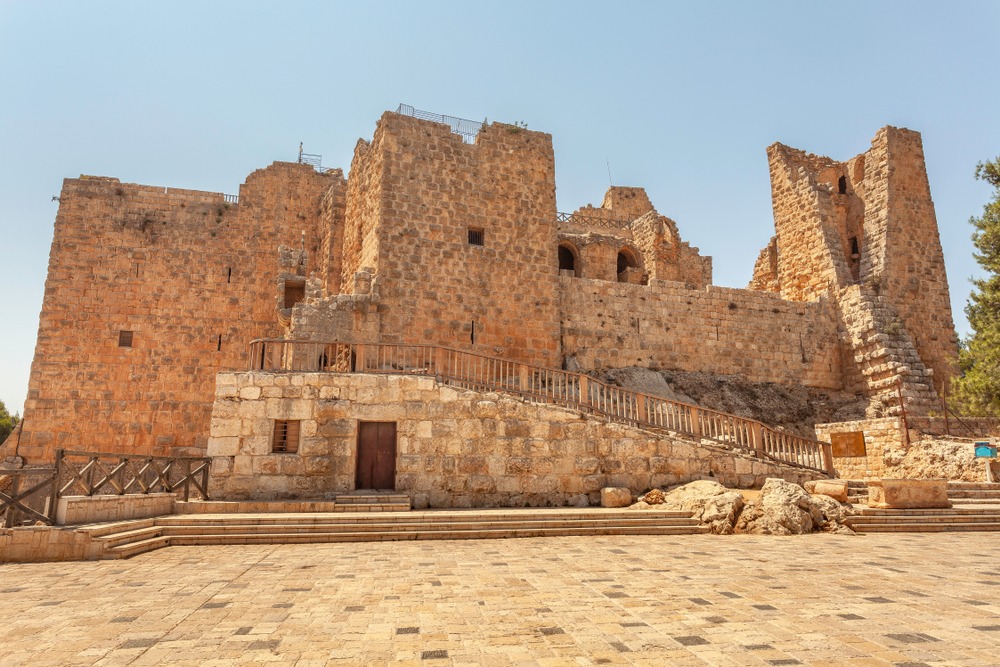
Completed between 1184 and 1185, Ajlun Fortress is undoubtedly a jewel of medieval Arab-Islamic architecture. The Ayyubids built it atop the ruins of a Byzantine church. Wandering through the citadel's galleries, climbing its corner towers, entering the stone-walled chambers of the monastery—it transports you centuries back in time! You'll hear tales of the castle's glorious past, destroyed in 1260 by the Mongols and restored under the reign of Dhaher Baibars, a Mamluk leader. Enjoy the 360-degree panorama from the summit of Jabal'Auf. The fortress seems to dominate the clustered buildings on the hillside with its majesty. To the left of the castle stands a small museum where archaeology enthusiasts will happily spend time.
Ajlun's Great Mosque
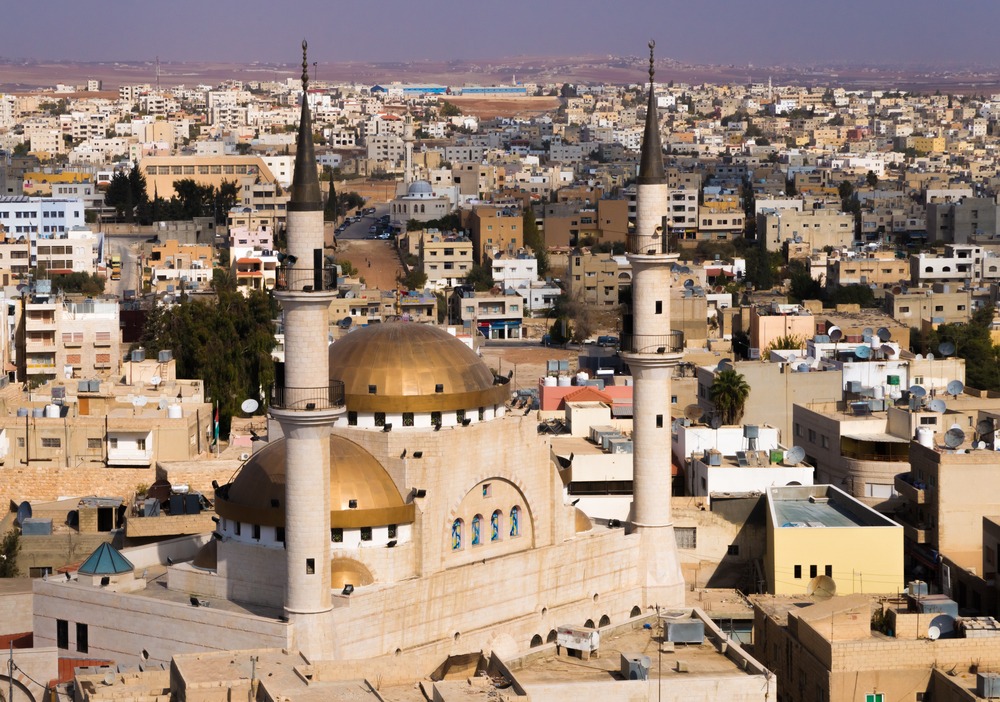
In the heart of the city, Ajlun's mosque is absolutely worth seeing. More than 800 years of history lie behind its walls. A Byzantine chapel once stood here. Greek manuscripts found in the building's older sections confirm this. The prayer tower itself rests upon the remains of a former bell tower.
Ajlun Forest Reserve
To escape the crowds and breathe in fresh air, this forest reserve is hard to beat. Hiking trails wind through the forest; there's something for everyone—long or short routes, flat paths with minimal elevation gain, or steeper climbs for those who relish a challenge.
Just outside the city, the Mar Elias site deserves a small pilgrimage. This is where the prophet Elijah was born. A sanctuary once stood here where the faithful prayed and sang God's praises, beseeching divine aid during times when the Rigeh plague struck the city. Byzantine chapels once stood here, today leaving only vestiges behind.
Practical Information
Best Time to Visit Ajlun
If you're planning to stop in Ajlun, note that July, August, September, and October are the most pleasant months. Rainfall is rare during this period.
Regular bus services operate between Ajlun and Amman. Buses to Ajlun pick up passengers at the Tabarbour bus station. That said, public transport favors early risers—most routes depart at 8 a.m. Buses at 9 or 10 a.m. are few and far between. For more comfortable travel, it's possible to hire a private car.
Want to discover this destination?
Our local advisors design your tailor-made trip.