Ajlun Fortress
Ajlun Fortress
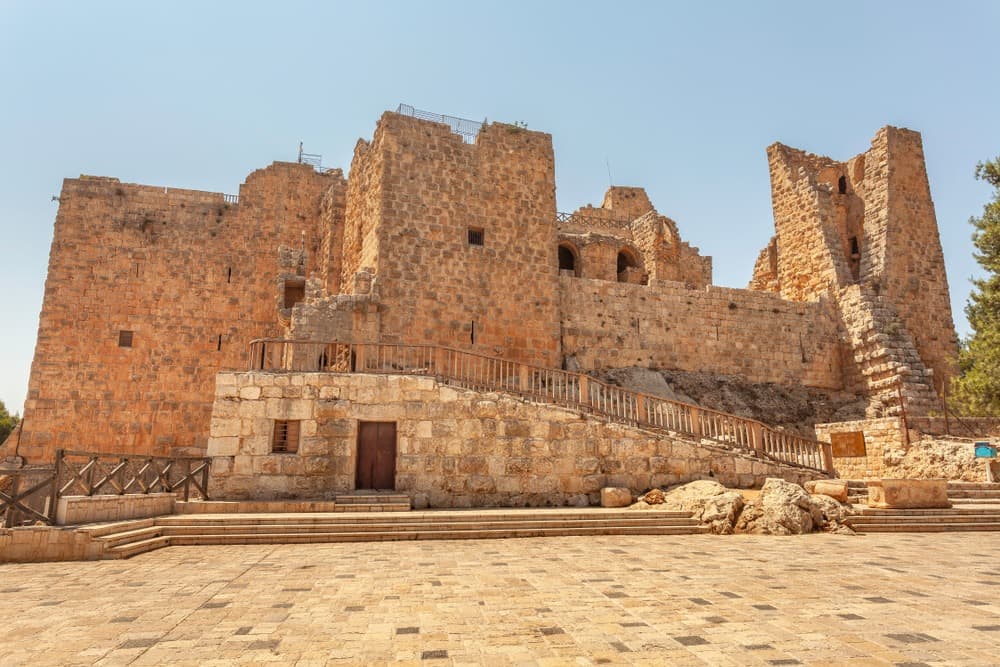
Built in 1184 by the Ayyubids to control the Damascus-Amman routes, Ajlun Fortress (Qal'at Ar-Rabad) overlooks the Jordan Valley from the Auf hill.
Perched on the Auf hill (Jabal 'Auf), in northwestern Jordanie, Ajlun Fortress dominates the town of Ajlun and the Jordan Valley. Known locally as Qal'at Ar-Rabad, it ranks among the best-preserved Ayyubid military structures in the region.
Why Visit Ajlun Fortress
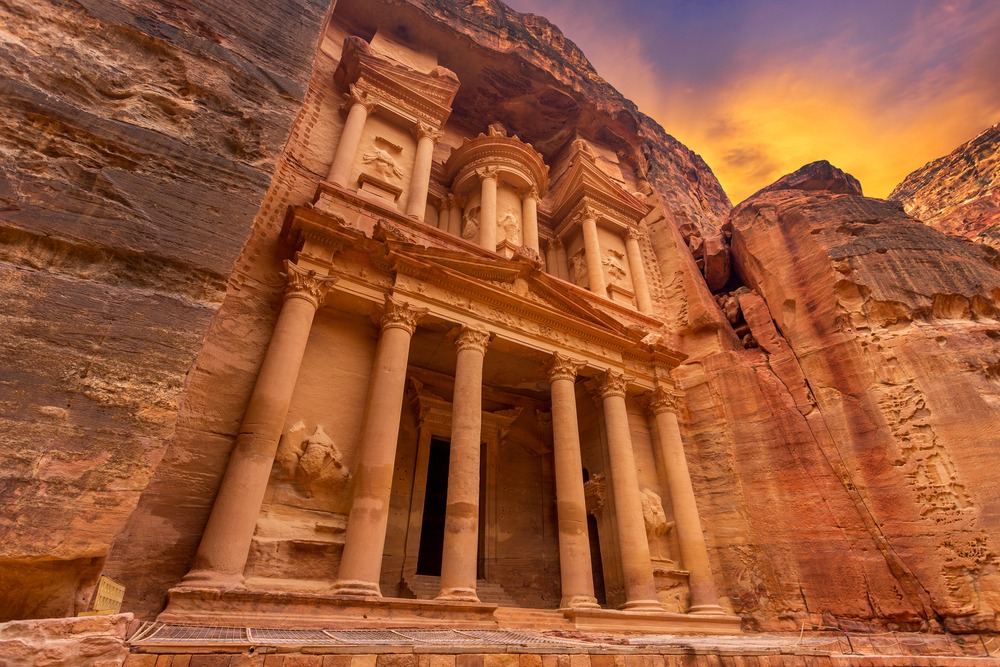
The site combines three complementary interests: 12th-century defensive architecture that reads clearly on the ground (rectangular plan, corner towers, keep, vaulted galleries), an archaeological museum housed in the western wing, and a vantage point overlooking the Jordan Valley. The visit, easily completed in half a day, pairs well with a Jordanian itinerary focused on history and heritage, as a counterpoint to the Nabataean sites of the south such as Al Khazneh or the Sîq.
History of the Fortress
The castle's foundation dates to 1184, ordered by the emir Izz al-Din Oussama, first governor of Ajlun and lieutenant to Saladin. Built by the Ayyubids and later renovated by the Mamluks, the structure was designed to protect the eastern borders of the kingdom against the Crusader states established beyond the Jordan.
The name of the town, and thus the castle, is said to derive from a Christian monk named Ajlun who lived on the mountain. Excavations have indeed uncovered the ruins of a Byzantine monastery on the site, predating the fortress.
The military purpose of Qal'at Ar-Rabad rested on three objectives:
- controlling the caravan routes between Damascus and Amman as an outpost;
- countering a possible alliance between the Bedouins of the Auf hill and the Franks, and confronting neighboring Crusader states (Belvoir to the north, Karak to the south, Beït Shéan to the west);
- securing the Ayyubid monopoly on the region's iron deposits.
The castle experienced several turbulent episodes: the Siege of Karak conducted by Saladin, the Mongol sack of 1260, and later the confrontation between Prince Fakhr ad-Din al-Ma'ni II and his rival Ahmad ibn Tarbay. Two major earthquakes, in 1837 and 1927, damaged the building before the Jordanian Department of Antiquities undertook the restoration work still visible today.
What to See on Site
Defensive Architecture
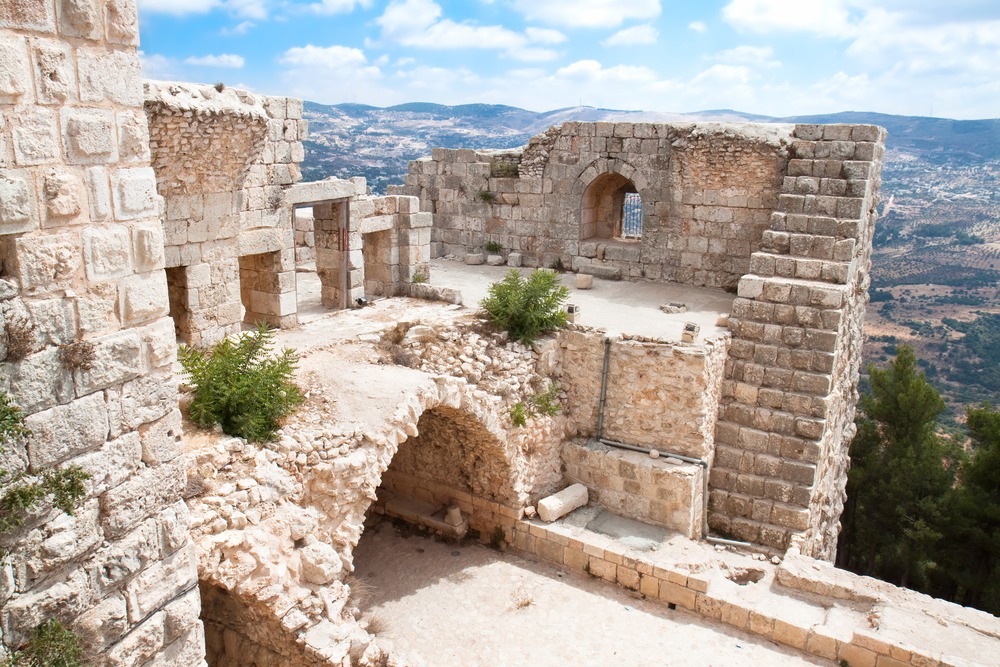
The castle features a rectangular plan with four corner towers, a keep, and two entrance gates. An original moat of 16 meters wide, now filled in, separated the ramparts from the city. Inside, the network of vaulted galleries, weapon stores, and staircases reveals the logic of an outpost designed to withstand a prolonged siege.
The Archaeological Museum
Located in the western wing, the museum houses artifacts from the site's excavations: vessels in terracotta and basalt, bronze and copper utensils, tableware, as well as Byzantine inscriptions carved in stone that recall the occupation period before the Ayyubid era.
The Vantage Point
From the top of the ramparts, views extend over the wooded hills of northern Jordanie and, on clear days, as far as the Jordan Valley. It is one of the few viewpoints that allow you to grasp the strategic interest of the site, midway between Syria and the Amman plateau.
Practical Information
- Visiting time: allow 1 to 2 hours for the fortress and museum.
- Hours: daytime opening, with reduced hours in winter and during Ramadan. Verify current hours before your visit.
- Admission: paid entry for foreign visitors, at a moderate rate.
- Jordan Pass: the fortress is included in the Jordan Pass, worthwhile if you plan to visit multiple paid sites (Petra, Jerash, desert castles). The pass activates at first use and remains valid for several days; check current terms before purchase.
- Attire: closed-toe shoes recommended, with stairs and uneven ground.
When to Visit
Northern Jordanie is greener and more temperate than the rest of the country. Spring (March-May) and autumn (September-November) offer the best conditions: mild temperatures, verdant hills in spring, and low-angle light in late afternoon for photography. Summer remains manageable at altitude but afternoons can be warm. Winter is mild but rainy, sometimes with snow at higher elevations.
How to Get There
The fortress is located approximately 3 km west of central Ajlun, at the top of the hill. From Amman, allow approximately 1.5 hours by road via the Jerash–Ajlun expressway (75 km). Standard options:
- Rental car: the most convenient, with clear signage from Jerash.
- Taxi or private driver for the day from Amman, often combined with Jerash.
- Bus from Amman's Tabarbour terminal to Ajlun, then local taxi to the fortress.
Many visitors combine Ajlun with Jerash in a single day trip from Amman.
Nearby Attractions
- Great Mosque of Ajlun: an historic building in the town center, testament to the city's long Islamic history.
- Ajlun Forest Reserve: a protected area managed by the RSCN, with hiking trails through oak and pistachio groves, and eco-lodge accommodations.
- Jerash: Greco-Roman city 25 km to the south, one of the best-preserved ancient sites in the Near East.
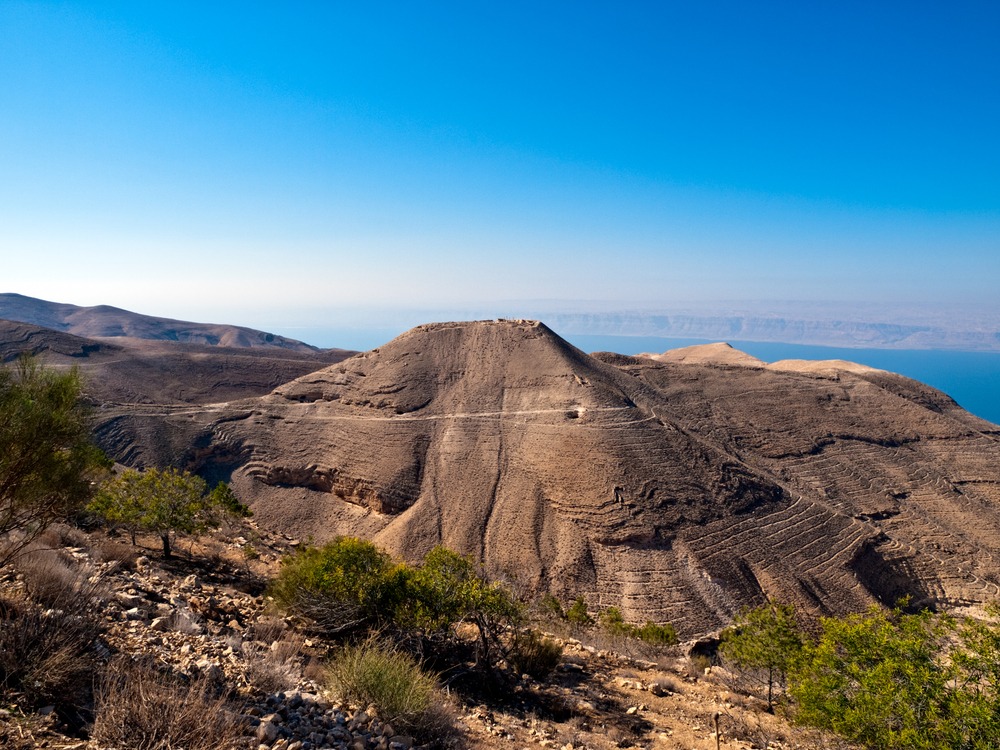
- To extend the fortress theme: Al-Karak Castle and Machaerus Fortress, further south.
Frequently asked questions
A complete visit, including a walk around the ramparts, descent into the galleries, and the archaeological museum, requires between 1 and 2 hours.
Yes, entry is covered by the Jordan Pass. Verify validity terms and the list of included sites on the official website before purchasing.
Yes, this is one of the classic excursions from Amman. The two sites are approximately 25 km apart and complementary: Roman for Jerash, medieval Islamic for Ajlun.
Spring and autumn offer the best conditions, with mild temperatures and excellent visibility over the Jordan Valley from the vantage point.
It was founded in 1184 by the Ayyubids, on orders from Emir Izz al-Din Oussama, Saladin's lieutenant, and later renovated by the Mamluks in subsequent centuries.
Ajlun Fortress fits naturally into an itinerary combining the historic north and Nabataean sites. To plan a complete stay, consult our Jordanie travel ideas.
Interested in this visit?
We can include it in your personalised itinerary.