Feynan
Feynan
At the heart of Dana Biosphere Reserve, Feynan combines a solar-powered ecolodge, Iron Age archaeological sites, and Bedouin hospitality. A rare escape in Jordan.
Located in the heart of the Dana Nature Reserve, Feynan Wadi is an excellent starting point for exploring southern Jordan's attractions.
Visiting Feynan Wadi: a celebrated ecotourism success story
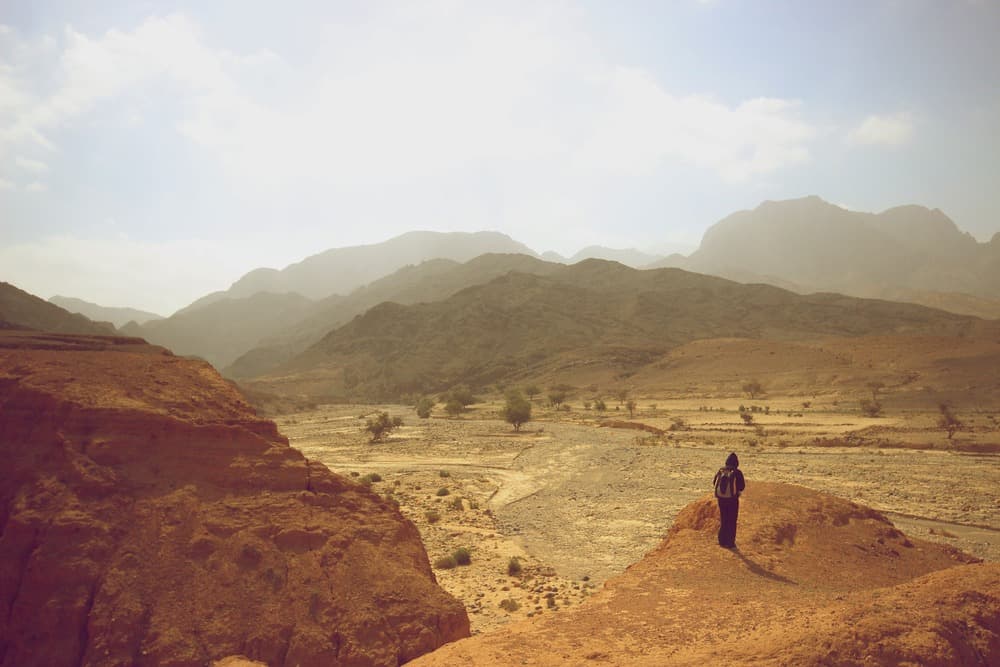
Who would have imagined that an arid, desolate valley like Feynan Wadi would become a beacon of ecotourism? The legendary hospitality of the Bedouins will captivate our travelers. They pitch their camps on either side of the wadi, never parting with their livestock. Located 210 km from Amman, Jordan's capital, Feynan Wadi brims with natural, archaeological, and cultural wonders to discover. Mountain biking, exploring ancient copper mines, sharing tea with shepherds, staying at the ecolodge with local character, where the chef prepares delicious vegetarian dishes—these are just some of the activities on offer during a stay in Feynan Wadi. And while you're there, venture forth to conquer Dana Biosphere Reserve.
Site History
Feynan's economy has long been intertwined with copper across generations. The site has been inhabited since the Iron Age. Archaeological surveys conducted by Thomas Levy and Najjar reveal that the Kingdom of Edom mentioned in Holy Scripture counted Feynan among its dependencies. More intriguing is the anecdote of Egypt's conquest toward Jerusalem around 900 BCE. Intending to plunder the city, Pharaoh Shoshenk I changed his mind when he saw it contained copper deposits in abundance. He actively developed mining operations.
The Royal Society for the Conservation of Nature (RSCN) has worked to preserve and enhance Feynan's vernacular heritage. More than 80 Bedouin families participate in the ecotourism program, totaling 400 individuals. They run guesthouses, work at the ecolodge as hotel staff, or train as tour guides. The state also encourages breeding of endangered animal species.
Far from being an extroverted activity, tourism benefits rural communities in ways that create territorial vitality. Open-pit metal extraction has been halted. The site's ecological footprint has diminished. And since the Feynan ecolodge only hires locals, it represents a significant source of employment and income in a region where agricultural opportunities are scarce.
A valley at the mercy of rainfall
Receiving barely 50 mm of precipitation annually, Feynan is one of Jordan's most arid environments. The river that waters the valley originates in the southern highlands, where Wadi Dana meets Wadi Ghuweyr, continues its course through Wadi Araba, and flows into the Dead Sea.
Must-See Attractions
Welcome to Feynan! A tourist-class ecolodge awaits you on site. The building's appearance gives the impression of being a pilgrim or Arab merchant halting at a caravanserai. The ecolodge scrupulously respects ecology. The reception office, refectory, and bathrooms are powered by solar energy. Hand-made candles illuminate the rooms. Out of respect for the Bedouins, alcoholic beverages are prohibited. Rather than importing products, the establishment is supplied by surrounding farms, following circular economy principles. Outside the ecolodge, local guides volunteer to show you the surroundings.
Archaeological Heritage
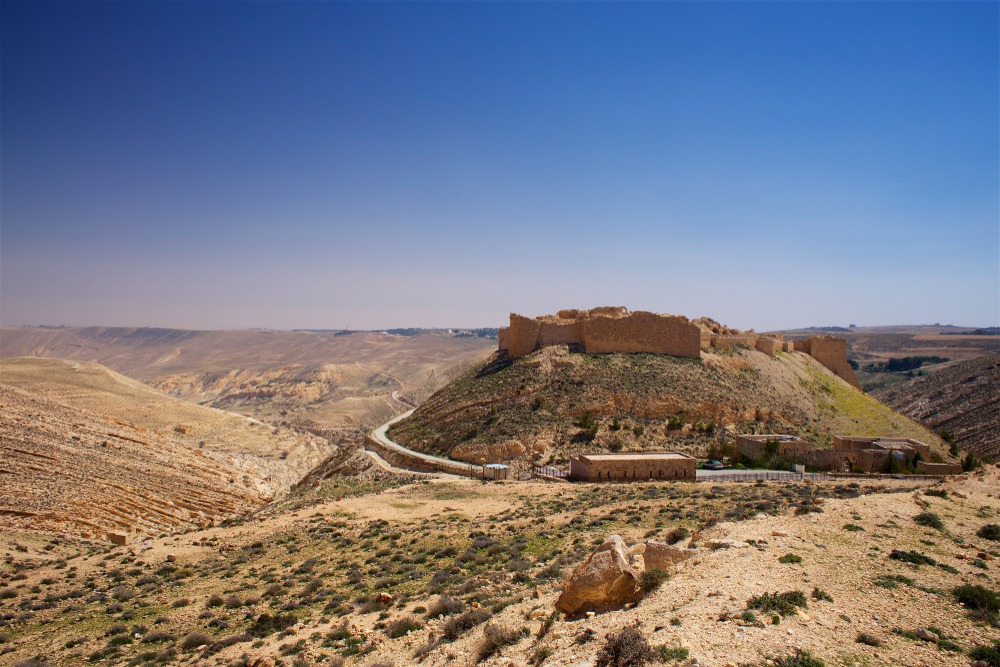
The wadi serves as a base for exploring archaeological ruins. Their diversity illustrates how various kingdoms attempted to dominate Jordan. You'll discover Nabataean cisterns, Roman windmills, and Byzantine churches with refined mosaics. Since Feynan was an important center for copper extraction and smelting in the Neolithic period, it's fitting to visit several mines: Khirbat Feynan, Khirbat en-Nahas, and WF 16.
Natural Heritage
Visitors will appreciate a mountain biking tour. Rugged trails traverse the wadi, varying in duration and difficulty. They lead to different viewpoints and picnic areas. Moreover, Feynan is part of Dana Biosphere Reserve, designated a UNESCO site. Rare and threatened animal species will catch your eye along the hike. Notable examples include the kestrel, Blanford's fox, Nubian ibex, and Syrian serin. The plant kingdom boasts over 800 species, three of which are endemic to Dana Reserve and found nowhere else.
Craft and Cultural Heritage
The hotel offers cultural visits to connect with the Bedouins. Share the daily life of nomads, dine in their goat-hair tent, enjoy a camel ride, appreciate the artisans' craftsmanship… An exotic and thrilling experience! Bedouin women create a range of handmade items (jewelry, bags, colorful textiles) as well as fruit pastes. These products are showcased in the gift shop near the ecolodge.
Practical Information
When to Go?
The best time to visit Feynan is March to May or October to November. The moderate temperatures of spring and autumn are ideal for outdoor activities.
Feynan Wadi nestles in the Arabah Valley beside the Dead Sea highway. Plan for 3 hours of travel from Amman; if departing from Petra, allow 1.5 hours. The best option is to rent a private vehicle, preferably a 4x4. The road is paved to the visitor reception office, but unpaved from the office to the lodge. If you plan to stay in Feynan, two options are available: a 4x4 or shuttle reservation.
Nearby
Once you've visited Feynan and gotten to know the Bedouin tribes, continue toward the Dead Sea. Sun, sunbathing, and thermal treatments draw a stream of tourists to its shores. From there, head to the mountainous Masada park.
Want to discover this destination?
Our local advisors design your tailor-made trip.