Church of Saint
Church of Saint
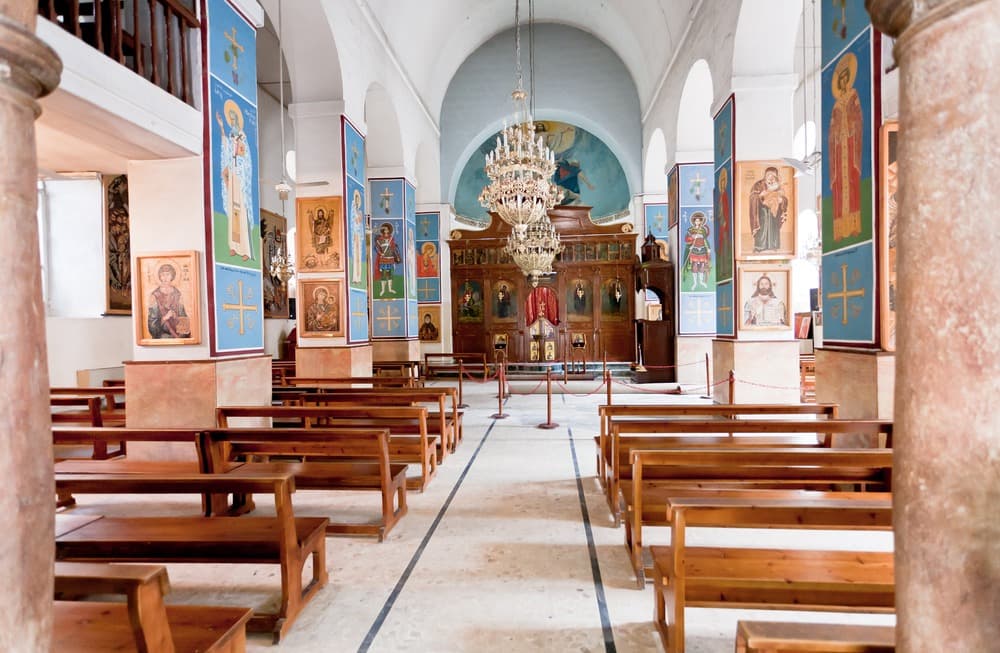
Saint George's Church in Madaba houses the oldest known map of the Holy Land: a 6th-century Byzantine mosaic 16 meters long.
Saint George's Church in Madaba, Jordan, houses the oldest known map of the Holy Land: a 6th-century Byzantine mosaic displayed on the floor of a contemporary Greek Orthodox building. The edifice itself remains modest, yet its tiles tell the sacred geography of a vanished world, from Lebanon to Lower Egypt.
Why visit Saint George's Church
The site's interest lies almost exclusively in its cartographic mosaic. Created under the Byzantine Empire, it constitutes the oldest known cartographic document representing the Holy Land and its surroundings. It captivates history and archaeology enthusiasts alike, as well as visitors drawn by its religious significance, the church being an active pilgrimage site. Plan around one hour to examine the map in detail, longer if you read the Greek inscriptions.
The church is part of a larger ensemble of Byzantine buildings in Madaba, a city nicknamed the "city of mosaics" for the density of its ancient pavements.
History of the site
The church's current floor covers the remains of a 6th-century Byzantine monastery. An inscription in Greek letters, discovered on site, mentions Emperor Justinian and the 13th year of the indiction, indicating completion around 550 AD. Historian Procopius of Caesarea places construction between 527 and 561, which aligns with epigraphic evidence.
The ancient structure fell into ruin over the centuries. During construction of the current Greek Orthodox church in the late 19th century, workers uncovered the Byzantine remains and the famous mosaic. The discovery, made approximately 130 years ago, immediately captured the attention of Holy Land geography specialists.
The project's master builder at the time failed to recognize the discovery's value: the new church's pillars were placed directly on the mosaic, obscuring entire sections depicting Hebron and Beersheba. Originally, the map measured over 21 meters long.
What to see on the Madaba map
What remains of the mosaic today measures 16 meters long by 6 meters wide. The map covers territory ranging from Lebanon to Lower Egypt, with Jerusalem placed at the center, in keeping with medieval Christian conception of the oikoumene.
Jerusalem at the heart of the composition
The city is depicted in an oval plan, surrounded by walls. It features:
- 21 towers protecting the fortification
- the Tower of David, the principal defensive point
- six gates providing access to the city
- the main thoroughfares and several identifiable religious buildings
Other represented locations
Around Jerusalem, the mosaic depicts numerous sites mentioned in the Old and New Testaments:
- Bethlehem, Jericho and the Jordan Valley
- Kerak, Ashkelon, Gaza and Pelusium
- Mount Sinai and Jacob's Well
Iconographic details
Documentary precision is accompanied by lively scenes: fishing boats on the Dead Sea, fish swimming up the Jordan, and a lion pursuing a gazelle in the Moab desert. These vignettes provide a precious source for studying the fauna and human activities of Byzantine Palestine.
Practical information
The church functions both as an active place of worship and as a tourist site, which entails certain rules:
- Modest dress required: shoulders and knees covered
- Visits suspended during services, more frequent on Friday and Sunday mornings
- Modest entrance fee to be paid on site; access is generally free for young children
- The church is not included in the Jordan Pass, unlike most major sites in the country
- Open seven days a week, with more restricted hours on Fridays and during winter months
Bring a flashlight or use your phone's light: the mosaic's lighting remains soft, and certain details are more visible under grazing light.
How to get there
Saint George's Church is located on Talal Street, in Madaba's historic quarter. The city lies approximately 25 km south of Amman and Queen Alia International Airport, about thirty minutes' drive via the Ancient Kings' Highway.
Several options are available:
- Rental car from Amman or the airport, the most flexible solution
- Private taxi
- Bus from Mujamma' al-Janoub bus station in Amman, more economical but less flexible
What to see nearby
Madaba lends itself well to a day excursion themed around Byzantine mosaics and biblical sites:
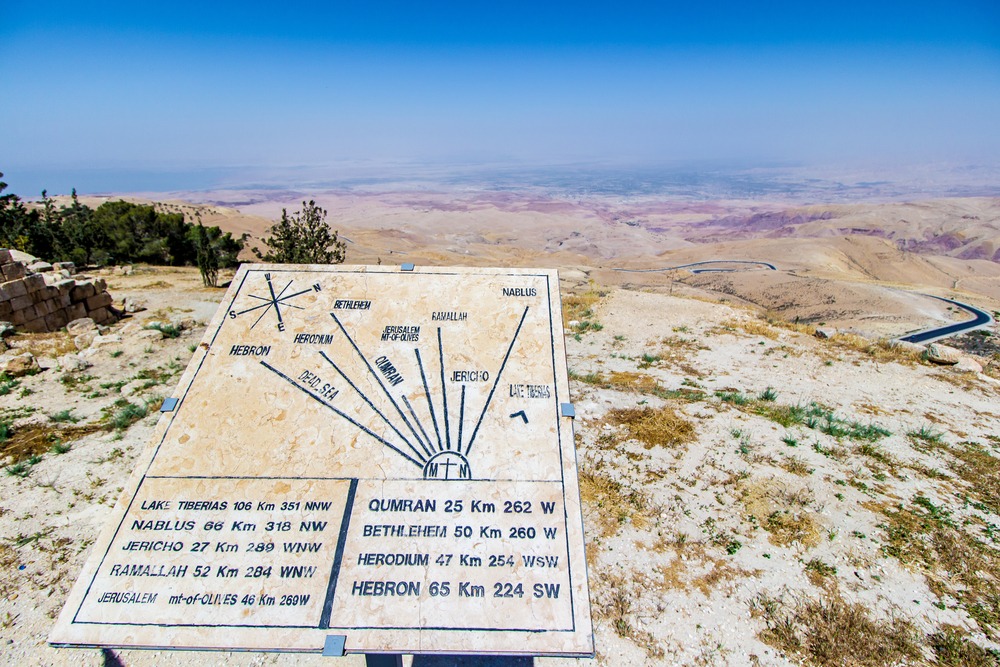
- Mount Nebo, about ten minutes' drive away, where Moses is said to have beheld the Promised Land before his death
- The city of Madaba itself, whose Church of the Virgin and archaeological park house other Byzantine pavements
- Kerak Castle, further south, to extend your route toward the Dead Sea or Petra
Frequently asked questions
Frequently asked questions
To integrate Saint George's Church and Mount Nebo into a complete Jordan itinerary, consult our Jordan travel packages.
Interested in this visit?
We can include it in your personalised itinerary.