Salt
Salt
Located 35 km northwest of Amman, Salt preserves its Ottoman character intact. Designated a UNESCO World Heritage site in 2021, the city captivates with its narrow streets, distinctive yellow stone mansions, and an atmosphere untouched by mass tourism.
Salt, or As-Salt, is situated 35 km northwest of Amman and serves as the capital of Balqa Province. The city is renowned for its buildings dating from the Ottoman period and stands as a notable example of urban tolerance between Christians and Muslims.
Salt: A Jordanian City Frozen in Ottoman Time
Once thriving in the 19th century when merchants flocked to expand their trade networks, Salt experienced a dramatic shift in fortune when Amman was selected for modernization. This development stalled the city's growth, yet Salt retained much of its charm from its Ottoman heyday 150 years ago—a quality that today constitutes one of its most compelling tourist attractions. The city is also home to religious monuments, historic sites, engaging museums, and much more.
History
Salt is believed to have been founded by the Macedonian army during the reign of Alexander the Great. It was the most important city on the eastern bank of the Jordan River during the Byzantine period and was called Saltus, meaning "dense forest." The city was reconstructed under Mamluk Sultan Baybars (1260–1277) following devastation by the Mongols.
Salt was designated as a regional capital under the Ottoman Empire. Its golden age began in the late 19th century, when merchants from Nablus and other cities arrived to conduct commerce. These traders built grand and magnificent residences that also served as warehouses for their goods. Salt continued to flourish until 1920 and was declared the capital in 1921, following the establishment of the Emirate of Transjordan. However, this same year marked the arrival of the Damascus-Amman railway, which made Amman the country's most well-connected city. This development prompted Emir Abdullah to reverse his decision and choose Amman as his capital instead.
Today
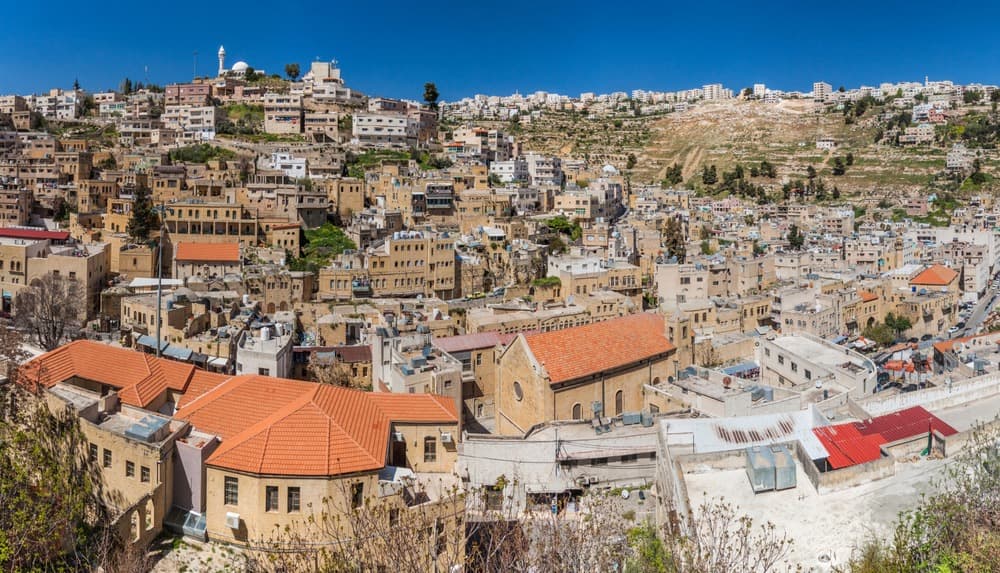
Due to the railway that served Amman, Salt was left behind in the modernization wave. It has largely retained its appearance from 150 years ago, with Ottoman-style mansions and narrow winding streets.
Christian-Muslim coexistence has flourished in Salt for many years. Both communities have demonstrated solidarity through all the circumstances they have experienced in recent decades. The city was recently inscribed on the UNESCO World Heritage List in recognition of this harmony, with the international organization designating it a "place of tolerance and urban hospitality."
What to See in Salt?
Historic Ottoman Mansions
The city is replete with refined historic houses displaying a unique and striking architectural style. Built with local materials, these distinctive yellow stone residences harmonize beautifully with their surroundings and often feature vaulted ceilings, interior courtyards, and arched windows. The finest example of Ottoman architecture is arguably the Abu Jaber Residence, whose domes are adorned with frescoes painted by Italian artists. Its construction began in 1892 and took several years to complete.
Museums
Salt Folklore Museum
Located within the Abu Jaber Residence, this museum is dedicated to preserving and showcasing Salt's cultural heritage. It is the ideal place to learn about the traditions of the city's inhabitants.
Salt Archaeological Museum
Founded in 1986, this museum features a collection of prehistoric pottery from the Copper Age, along with artifacts from the Bronze Age, Iron Age, Byzantine period, and Ayyubid era.
Churches and Mosques
Al-Khader Orthodox Church
The Al-Khader (St. George) Orthodox Church was constructed in 1968 within a cave where a villager reportedly received a divine message to establish a sanctuary there. It is the only religious temple in the country that welcomes both Christians and Muslims.
Salt Grand Mosque
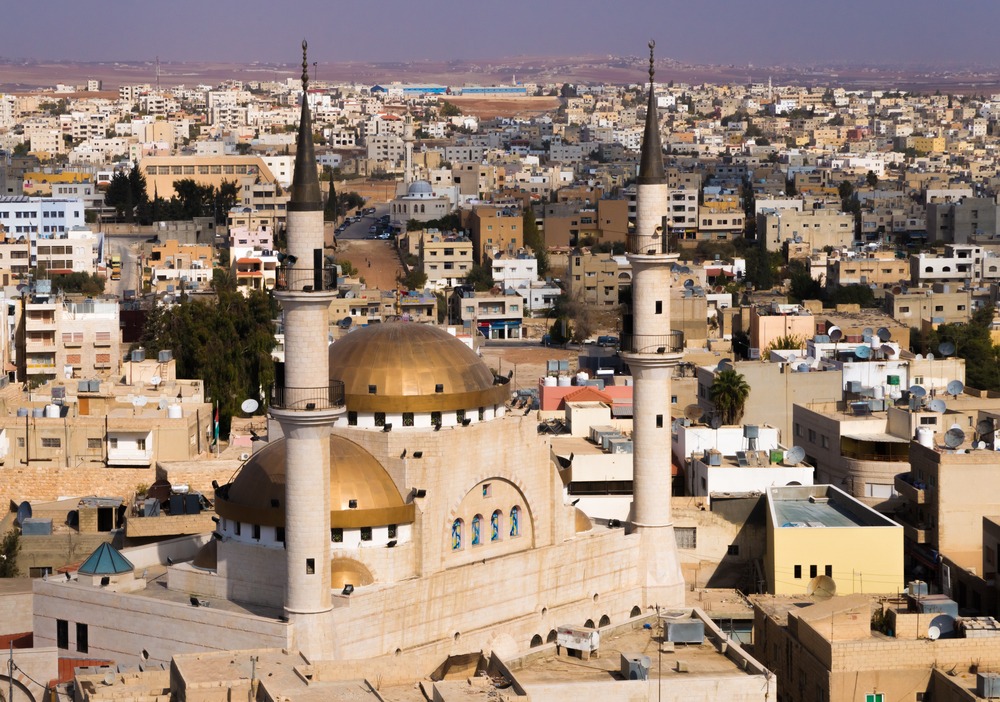
This is the oldest mosque in Salt. Originally built of mud and straw in the 14th century, it was reconstructed by the Ottomans in 1890, then renovated and expanded in 2017, blending modern and traditional architecture.
Other Notable Sites
Salt is home to other significant sites worth visiting, including the Tomb of the Prophet Yusha, who was Moses' apprentice and successor, and Al-Hammam Street, where the local market is located. You will also discover the ruins of a 13th-century Ayyubid citadel and Roman tombs.
When to Visit Salt?
Salt's climate is pleasant year-round, except during January, when you may encounter rain. However, the best time to visit is from April to October.
To reach Salt, take a bus from the northern bus station in Amman or from the University of Jordan. You can also travel by taxi. However, renting a car is not recommended, as parking is difficult throughout the city.
Want to discover this destination?
Our local advisors design your tailor-made trip.