Azraq
Azraq
An oasis in eastern Jordan's desert, Azraq holds the memory of Lawrence of Arabia and is home to one of the Near East's oldest water sources.
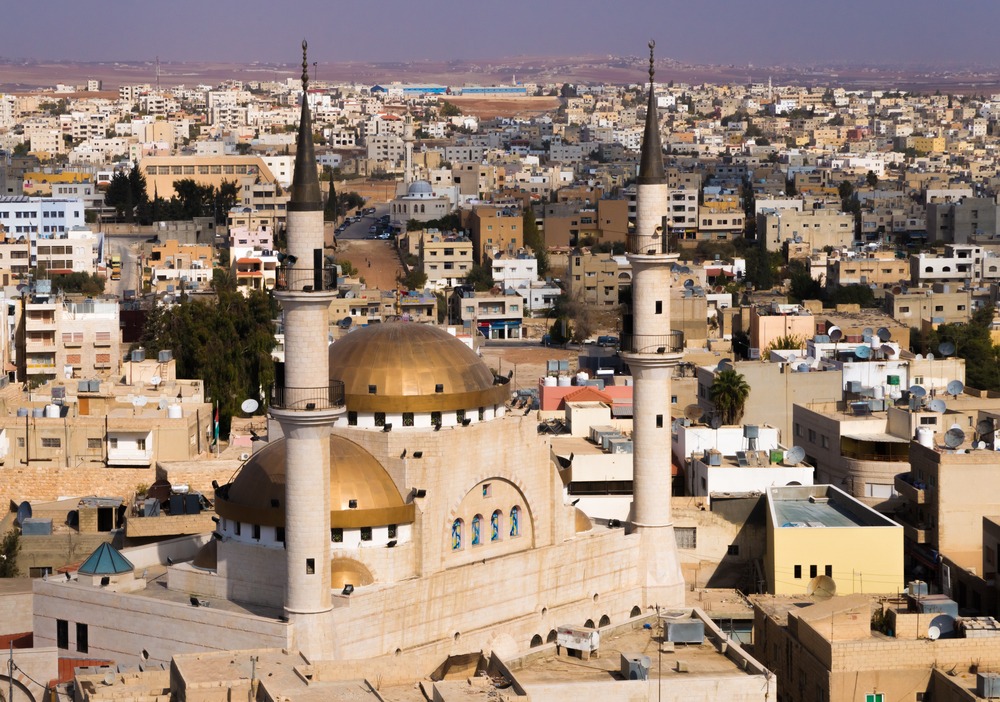
Bordered by arid and desolate plains, the small town of Azraq in central-east Jordan looks every bit a verdant oasis. Its fortress is well worth a detour.
Azraq, a journey among Roman ruins and migratory birds
The town of Azraq lies 100 km east of Amman, Jordan's capital. Its economic importance is far from recent. Writers speak of Azraq as a major agricultural, commercial and residential hub. Yet its prosperity hangs by a thread: a permanent watercourse that runs through the town within a vast and inhospitable desert region. To be frank, there isn't much to see in Azraq, but its military fortress is certainly worth a visit. Founded by the Romans in the 3rd century and later restored by the Mamluks, it witnessed the succession of empires that dominated Transjordan in the Middle Ages. You'll also appreciate taking an excursion to the Azraq wildlife reserve, where migratory birds spend the summer.
A bit of history
Azraq means "blue city" in Arabic, but it was previously known as Basie. The etymological origin remains unknown to this day; however, it is established that the Azraq water spring dates back 250,000 years. Human settlement of the site goes back to the early Paleolithic.
The Azraq river flowed year-round. The Romans were the first to fortify the town by erecting a citadel in the 3rd century. In a desert region like Jordan, water is a strategic resource. The castle was intended to ensure its protection. In the 13th century, the rise of the Mamluk dynasty brought significant renewal to the building. A mosque was constructed within its walls.
In 1917, the Arab revolt against the Turks opened a new chapter in the town's history. British agent T.E. Lawrence transformed the castle into a military base camp: "Azraq is perfect for us, and the old fort would be a suitable base camp with some development work, rigorous as the winter is," Lawrence confided in his memoirs. "I then established myself in the south tower and lodged my six Haurani boys […] to cover the cracked wooden beams with clay, bushes and palm leaves".
Today
The small town of Azraq is administratively part of Zarqa Governorate. Its population is estimated at nearly 10,000 inhabitants. There's no need to stay here, as it has only a small number of attractions. But a pleasant stroll is certainly worthwhile.
What to see and do in Azraq?
Azraq Castle or Qasr Azraq
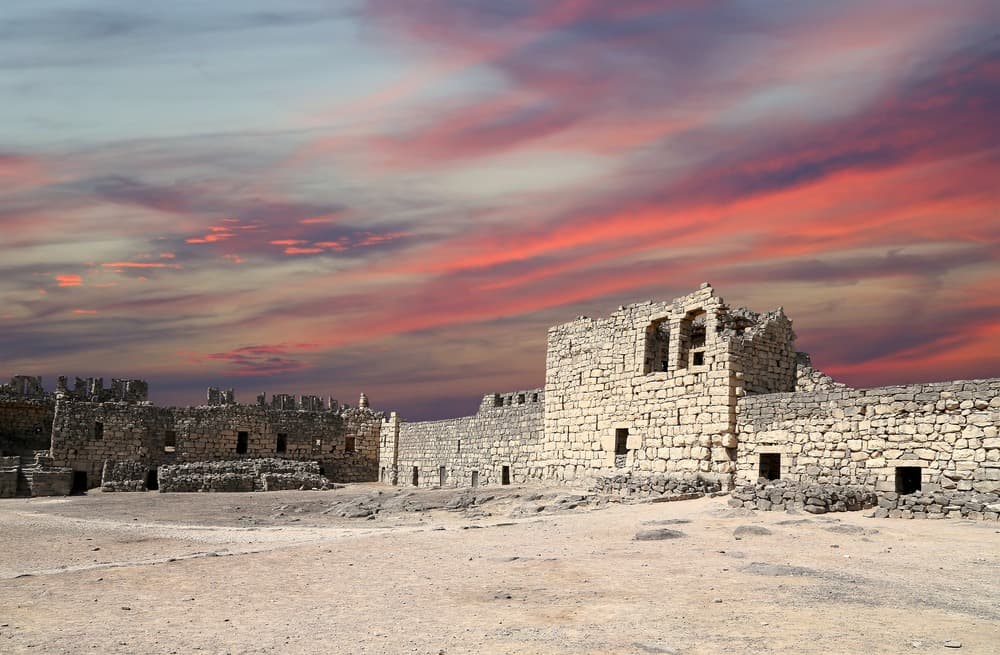
More than 800 years of history stand behind the ramparts of this fortress. The Nabataeans once lived here. The building that tourists can admire today, however, is the work of the Romans. Indeed, Roman troops were determined to defend the Azraq water source at all costs, without which the town would lose its raison d'être.
At your request, an English-speaking Jordanian guide will be happy to share the notable events that the castle has witnessed. How the Christians of the East took control of the castle before handing it over to the Ayyubids, daily life at the castle under Mamluk and Umayyad rule, and so on.
The structure is in ruins, but many buildings have been carefully restored. Towards the end of your visit, some photographs are in order to immortalize this medieval military architectural heritage.
The Azraq Wetland Reserve
A walk around the Azraq reserve is highly recommended. The oasis is now but a shadow of what it once was in the first century, when the town sheltered abundant nature worthy of Africa. The aquifers dried up in 1994, but don't be discouraged: artificial lakes have been created to preserve the site's tourist appeal, and migratory birds of all kinds are present. For information, the Azraq reserve is one of seven nature reserves managed by the Royal Society for the Conservation of Nature.
Practical information
When to visit?
In Jordan, the dry season runs from June to October. Tourists wishing to visit Azraq are advised to plan their holidays during these months. In January, sudden rainfall can be a spoiler.
The Amman-Azraq journey will take you just an hour and a half over a total distance of 108 km. You'll need to take Route 40. You can rent a car or request a shuttle from your hotel.
Nearby
The ruins of Azraq Castle often feature in one-day excursion itineraries that pass through the medieval desert fortresses. Departing from Amman, the visitor tours the Azraq fort and continues to Amra fort and Kharana fort. For nature lovers, the Shaumari National Reserve is located just ten kilometers from the town.
Want to discover this destination?
Our local advisors design your tailor-made trip.