As-Salt
As-Salt
Perched on hillsides 30 km west of Amman, As-Salt is Jordan's finest Ottoman town. Designated a UNESCO World Heritage site in 2021, it combines golden sandstone architecture, a bustling souk, and a rich Transjordanian heritage.
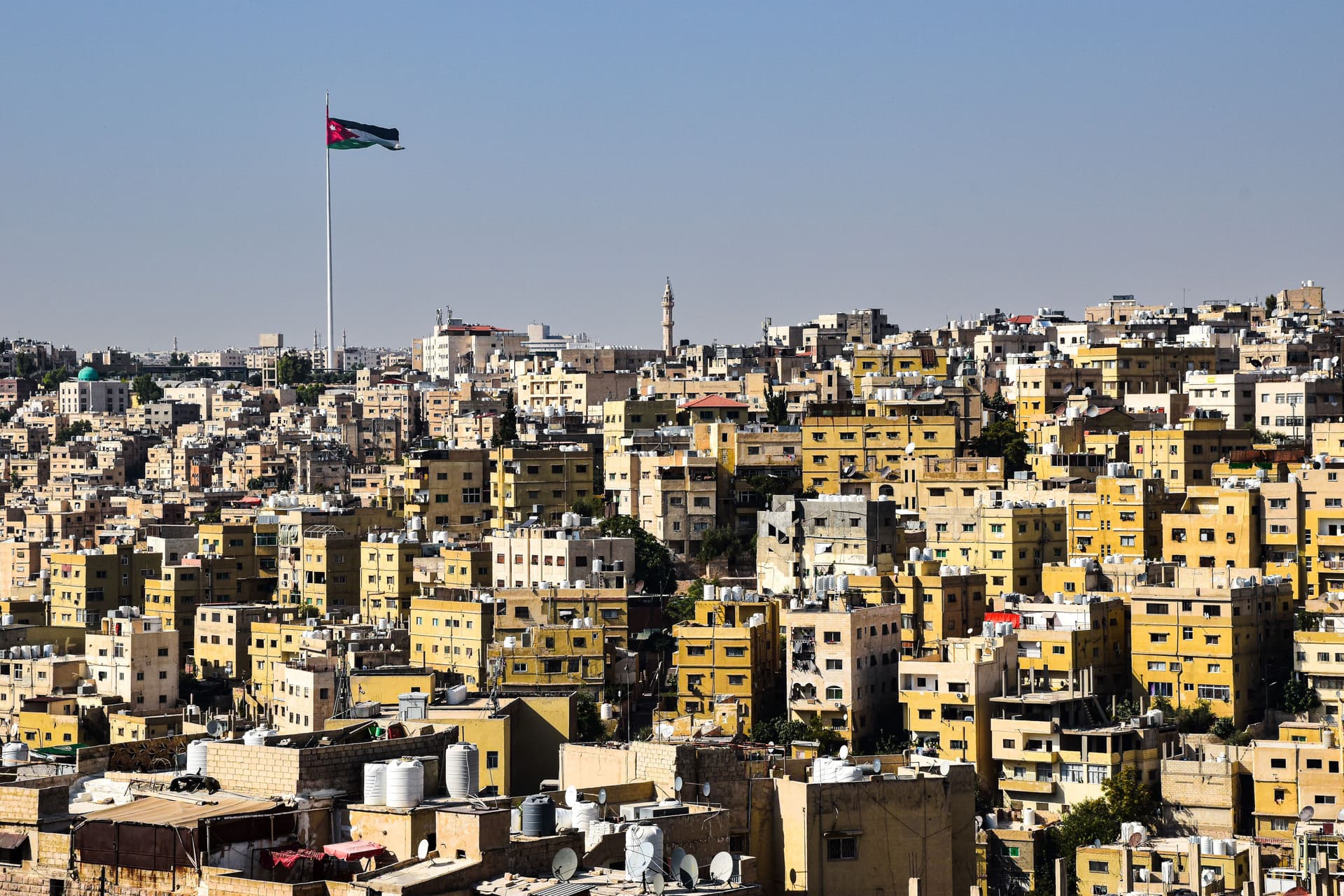
As-Salt is an Ottoman town nestled in the rolling hills of northwestern Jordan, roughly thirty kilometers from Amman. Inscribed as a UNESCO World Heritage site in 2021, it earns its reputation through golden-yellow sandstone houses, sloping alleyways, and a long tradition of peaceful coexistence between Christian and Muslim communities. This is a living city, not a museum: residents still inhabit the same homes their great-grandparents built.
Essential Information at a Glance
- Access from Amman: shared minibuses depart from Tabarbour station (north Amman) or drive via Route 35 — journey takes approximately 30–40 minutes depending on traffic.
- Recommended duration: a half-day covers the historic center; a full day allows exploration of outlying quarters.
- Dress code: modest clothing recommended, especially when visiting mosques and churches.
- Accessibility: sloping alleyways and staircases make mobility challenging for visitors with reduced mobility.
What to See
The historic center contains over 650 listed Ottoman buildings, including roughly fifty grand townhouses. Facades of golden limestone, ogival arches, and wrought-iron balconies lend each street a rare architectural coherence. Abu Jaber Square, the covered souk, and staircases connecting different city levels structure the visit.
History and Context
In the late 19th and early 20th centuries, As-Salt was the most important city in Ottoman Transjordan. Palestinian merchants, Syrian traders, and local families built substantial homes financed by commerce with Nablus and Damascus. When the British selected Amman as the capital of the Emirate in 1921, As-Salt lost its administrative role but retained its intact urban fabric—explaining its heritage value today.
Highlights of a Visit
Ottoman Houses
The Abu Jaber, Mouasher, and Sukkar residences best exemplify late Ottoman bourgeois architecture. Some are partially open to the public or converted into local museums. The triple arches on facades and hand-painted ceilings are details worth lingering over.
The Salt Archaeological Museum
Housed in a former Ottoman mansion, it displays collections spanning the Neolithic to the Islamic period. Artifacts from local excavations provide valuable context before exploring the town.
The Souk and Daily Life
The central market remains an authentic neighborhood souk: spices, vegetables, taboon bread. It buzzes most intensely on weekday mornings. Here, Salt's identity as a living city truly comes alive.
Staircases and Viewpoints
Staircases connecting the city's different levels offer sweeping views of surrounding hills and red-tiled rooftops. The Khader neighborhood, set higher up, is particularly photogenic.
Etiquette and Visiting Guidelines
- Ask permission before photographing residents, particularly women.
- Remove shoes before entering mosques.
- Some private homes are opened by their owners: respect areas marked as off-limits.
Photography Tips
Morning light (before 10 a.m.) is ideal: low-angle sun brings out the texture of golden sandstone. Narrow alleyways create compelling shadow and light play by mid-morning. Avoid midday summer heat when light turns harsh. The Khader neighborhood staircases offer striking overhead compositions of rooftops.
Location and Access
As-Salt lies in Balqa Governorate, approximately 30 km west of Amman. The town is reachable by minibus from Tabarbour station. By car, Route 35 from Amman is most direct. No rail service exists. The historic center is entirely walkable, though elevation changes are substantial.
Nearby Attractions
- Amman's Historic Center — Jordan's capital and its citadel are half an hour's drive away.
- Baptism Site (Bethany Beyond the Jordan) — UNESCO-listed biblical site, accessible from the Jordan Valley below.
- Madaba — Byzantine mosaic town, roughly an hour south.
Frequently asked questions
Spring (March–May) and fall (September–November) offer pleasant temperatures for walking the sloped alleyways. Summer is warm but manageable thanks to elevation. Winter can be cool and rainy.
Modest attire is recommended throughout the town. To enter mosques, shoulders and knees must be covered, and shoes removed.
Yes, the proximity (30–40 minutes) makes it easy to spend a half-day in As-Salt alongside a visit to central Amman. Start early to capture morning light in Salt.
No. Some are private residences. Others, such as houses converted to museums or cultural venues, welcome visitors. Check with the local tourism office on arrival.
With difficulty. The historic center spans multiple levels connected by staircases and steep alleyways. Wheelchair access is severely constrained.
Local guides offer walks through the historic center. English-speaking agencies in the Nomadays network can arrange an accompanied visit from Amman, providing deeper insight into the architectural and historical context.
Want to discover this destination?
Our local advisors design your tailor-made trip.