Aqaba
Aqaba
Jordanie's sole port on the Red Sea, Aqaba combines 25 diving sites, a Mamluk fort and a free zone. Ideal as a beach stopover after Petra and Wadi Rum.
A significant port city, Aqaba is a coveted beach resort among Jordanians and international visitors alike. Here's what you need to know.
Aqaba, sun-soaked beach vacations in Jordanie
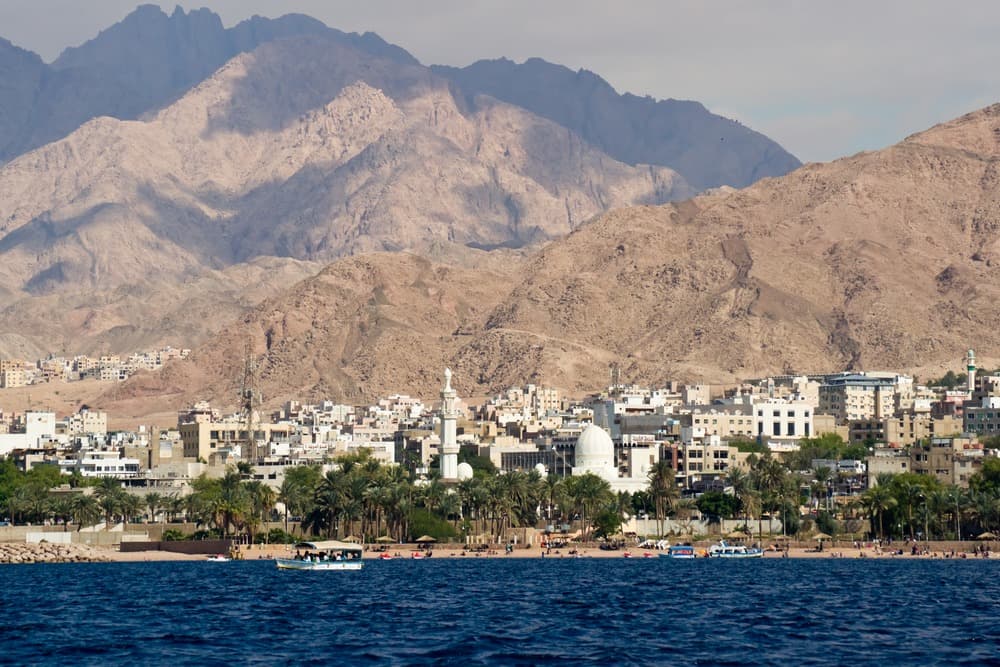
Nestled within the Gulf of Aqaba, the coastal city of Aqaba dominates Jordanie's beach resort market. Every summer, nationals from all backgrounds—Europeans, Russians, and Iraqis—flock to beaches shaded by colorful umbrellas. Aqaba hosts the country's only port and maritime facade. Goods once flowed through its harbor, and pilgrims heading to Mecca traveled from its docks. Today, commercial embargoes affecting Iraq have strained port economies. Yet visitors continue to arrive in Aqaba to indulge in leisurely relaxation and explore its underwater treasures. Touring the historic fort, discovering spectacular coral reefs, staying in a luxury hotel with a panoramic terrace overlooking the Red Sea—these are just some of the pleasures awaiting during a brief coastal getaway in Aqaba. Don't waste another moment. Head to Aqaba and enjoy delightful seaside vacations.
Aqaba's History
The site has been inhabited for four thousand years before the Common Era. It is mentioned in the Holy Scriptures under the name Eliat. According to historians, the Edomites settled there before the Nabataeans occupied the site. This hypothesis is supported by the Book of Kings: "King Solomon also built ships at Ezion-Geber, near Eilat in Edomite country, on the shore of the Red Sea."
The city's economy has always been closely tied to its port traffic. In the past, Aqaba's port welcomed numerous travelers from Egypt, Saudi Arabia, and Israel. They undertook journeys for commercial or spiritual purposes. The proximity to Medina and Mecca fostered the port's prosperity.
Following the 1945 war, the port experienced remarkable growth. It is regrettable that political instability in the Middle East hindered traffic. Notable events include the 1956 Suez Canal crisis, the 1973 Yom Kippur War, and the 1990 Gulf War, which paralyzed export activities at the port.
Today: a city thriving in tourism
The commercial and military past of Aqaba is now behind it. Visiting Aqaba today reveals a vibrant city, dotted with star-rated hotels and open to global tourism. While historical and cultural heritage remains significant, beach tourism reaps the greatest rewards. The resort combines quality beaches and coral reefs with exceptionally rich marine life. Divers will not be disappointed!
What to see and do
Exploring Aqaba requires just one day. Three tourist sites are not to be missed:
Aqaba Fort
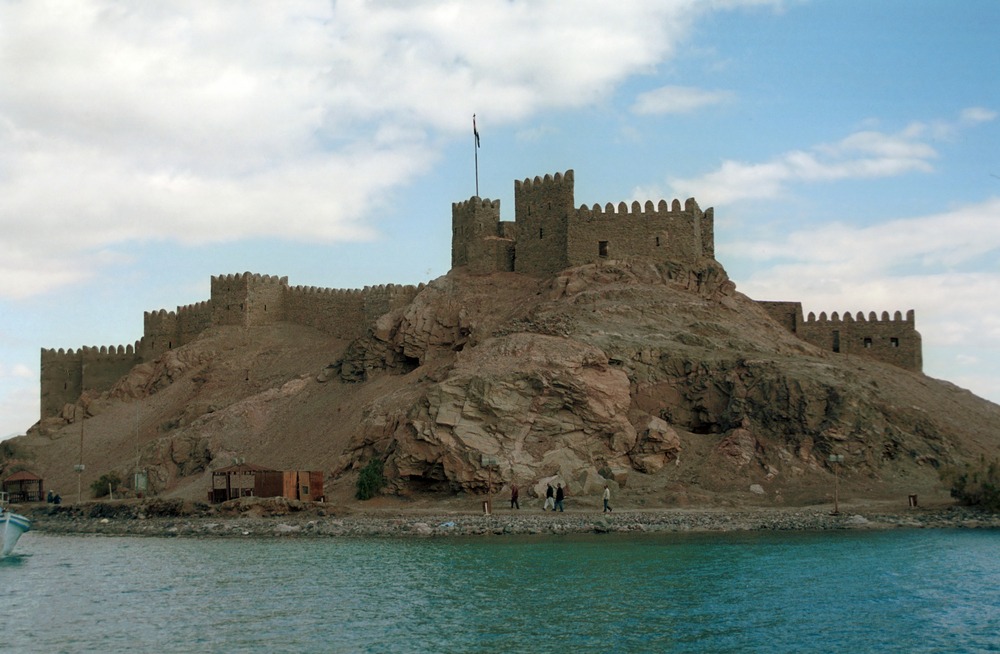
Of all Aqaba's monuments, the fort is undoubtedly the most beautiful and famous. Its original 14th-century structure no longer remains; the building visitors can tour today is the legacy of the Mamluks, or more precisely, Sultan Qansawh al-Ghawri, who ruled during the first half of the 16th century.
Aqaba Christian Church
Completed in the 4th century, abandoned by its faithful after the Great Persecution, buried underground for several years before being rediscovered by researchers in 1998, Aqaba's church is an exceptional archaeological ruin. This Christian church is among the oldest in the world. It may even be older than the Church of the Nativity in Bethlehem.
Heritage Museum
At the southern edge of the city, beside the Old Fort, the Heritage Museum is an excellent destination if you have an interest in prehistoric civilizations.
Aqaba Marine Park
The number one tourist activity in Aqaba is diving. The coast is home to 25 diving sites teeming with marine creatures. Many of these are found within the Aqaba Marine Park. The diving experience suits both beginners and experienced divers, as the sea is calm with no strong winds causing swells or breaking waves. You'll swim alongside vibrantly colored corals, nudibranchs, shrimp, and frogfish. Large fish are uncommon, but on rare occasions, stingrays, hawksbill turtles, and whale sharks grace visitors with their presence. A shipwreck lying on the seabed will capture your attention.
Practical Information
Best time to visit?
Like other beach destinations, Aqaba is primarily visited in summer, between June and October. This is the best season to enjoy sand, sun, and sea. The weather is pleasant and warm, with temperatures hovering around 30°C.
To reach Aqaba's coastline, various transportation options are available: taxi, car, or public transport.
By taxi
To reach Aqaba from the border town of Eilat, simply hail a taxi. However, the fare comes at a premium, as taxis operating in Eilat are controlled by a single company. Expect to pay from 11 JOD.
By car
Driving from Amman, you'll arrive in Aqaba after four hours. The distance is 350 km by road. Fill up with fuel before departing, as gas stations are sparse along the Desert Highway.
By bus
For budget travelers, regular buses connect Amman and Aqaba via the Desert Highway. The journey takes approximately five hours at a cost of 10 JOD, roughly $15. The bus terminal is located 300 m from the mosque.
Getting around
Points of interest are accessible on foot. Walking is the least expensive, most practical, and most ecological option for getting around Aqaba. Alternatively, bus and taxi services are also available.
You'll love...
- Strolling along the waterfront;
- Windsurfing;
- Engaging in water sports;
- Snorkeling;
- Admiring the archaeological treasures in Aqaba's museum;
- Enjoying a spa at a luxury hotel.
Want to discover this destination?
Our local advisors design your tailor-made trip.