Tabaqat Fahil
Tabaqat Fahil
Located 90 km from Amman, Tabaqat Fahil preserves the ruins of Pella, a Decapolis city inscribed as a UNESCO World Heritage Site. 6,000 years of history in a pristine setting.
Tabaqat Fahil is a modern village situated 90 km northwest of Amman. It is home to the ruins of Pella, one of the cities of the Decapolis.
Tabaqat Fahil, Gateway to Pella
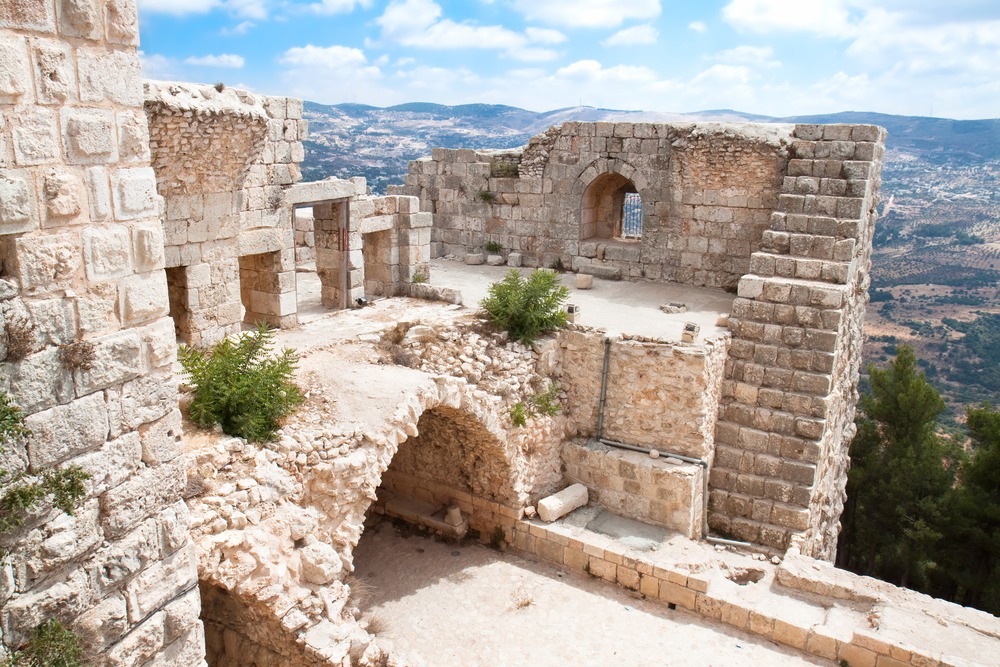
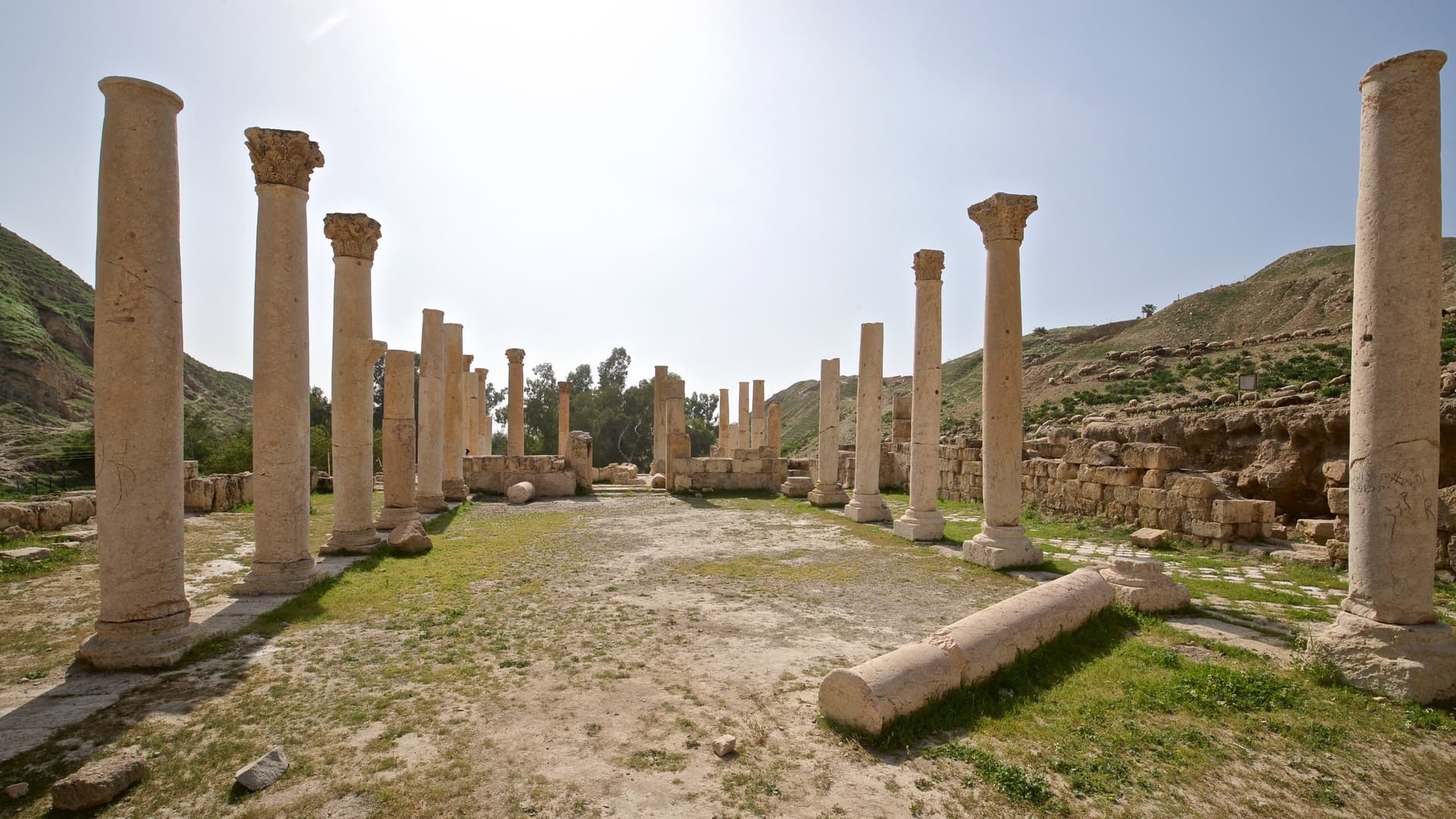
The renown of this village rests entirely on its archaeological site, which contains the remains of the ancient city of Pella, also known as Berenice. The location is a true archaeological paradise. This, in fact, led to its inclusion on the UNESCO World Heritage list in 2001. Inhabited continuously since the Stone Age, it conceals several thousand years of history. By visiting this open-air museum, and thanks to the excavations and digs carried out by archaeologists, you will be able to understand the structure of the city during prehistory, the Bronze Age, the Iron Age, and antiquity. You will also gain insight into what it was like during the Roman period, right up to the era following the earthquake that shook it violently.
History of the Site
Benefiting from arable land where water is available year-round, and nestled near a forest that provided game, Pella was continuously inhabited for 6,000 years. Archaeological excavations have shown that it was already occupied during the Neolithic period. A wall encircled it during the Middle Bronze Age and Late Bronze Age (2000 to 1200 BCE). This fortification lasted approximately 1,500 years.
Around 78 BCE, the Hasmonean king Alexander Jannaeus ordered the destruction of the city, following the inhabitants' refusal to follow Jewish customs. It was later restored when the region came under Roman domination. During the First Jewish-Roman War and after the death of James the Just, certain members of the movement created by Jesus took refuge in Pella.
After the Byzantine army's defeat by Muslim forces in 635, the city welcomed both Christians and Muslims. Pella was struck by earthquakes in 717 and then in 749. Much of its buildings were thus destroyed. Evidence of the city's occupation during the Crusades is limited. However, archaeologists affirm that it was inhabited during the Ayyubid and Mamluk periods.
Today
Since 1978, the University of Sydney has conducted a series of archaeological excavations at Pella. Australian archaeologists are working to deepen understanding of its history during the Late Bronze Age and Iron Age. Unlike other archaeological sites in Jordanie, which receive throngs of tourists, this site attracts few visitors due to its isolation. Nevertheless, this delights archaeology enthusiasts, who will be able to peacefully admire its ruins. You must travel a secondary road to reach it. The path is narrow, but in good condition.
Site Tour
Once you arrive at the site, begin your visit with a stroll through the Roman streets, which are lined with pillars. Then pause to admire the remains of the Roman odeum and imagine how it was in that era. Next, contemplate the Abbasid center and the Eastern church. Then take time to observe the ruins of a Chalcolithic construction from the 4th millennium BCE. Near these, you will find traces of the great fortified city of the Bronze Age and Iron Age. Also appreciate the remains of Byzantine houses and churches before passing by the medieval mosque, the Islamic zone, and the cemetery.
Practical Information
When to Visit?
Tabaqat Fahil generally records temperatures around 7°C and receives most precipitation in January and February. However, the climate is pleasant for the rest of the year. Nevertheless, the best time to visit is during the months of April and May. The heat is not excessive during these periods.
No bus lines serve the village. To reach it from Amman, visitors must take a taxi or rent a car. The journey takes approximately 80 minutes.
Want to discover this destination?
Our local advisors design your tailor-made trip.